Many people believe that any houseplant labeled “low light” can survive almost anywhere indoors. In reality, there is a major difference between a plant that merely survives and one that actively thrives. Some species continue producing healthy foliage, maintain strong root systems, and grow steadily even when sunlight is limited. Others slowly decline despite being marketed as low-light plants.
If you have a north-facing room, a shaded apartment, a home office, or a space far from windows, choosing the right plant makes all the difference. The best low-light indoor plants combine adaptability, attractive appearance, and easy maintenance. They tolerate less natural light without sacrificing health or beauty.
In this guide, you’ll discover which low-light indoor plants genuinely thrive, how to care for them, common mistakes to avoid, and how to create a healthy indoor environment that supports long-term growth.
What Is Low Light for Indoor Plants?
One of the biggest misconceptions in indoor gardening is assuming that low light means no light. Low light simply refers to areas that receive limited indirect natural sunlight. Most indoor plants still need some light to photosynthesize, even if they are highly adaptable.
Low-light conditions are commonly found in:
- North-facing rooms
- Apartments with limited window access
- Hallways
- Offices with minimal natural light
- Spaces several feet away from windows
A truly dark room is different. No plant can thrive indefinitely in complete darkness because photosynthesis requires light energy. Plants marketed as low-light tolerant simply need less light than most other species.
If the room remains dim throughout the day, supplemental grow lights may become necessary.
Understanding this distinction helps prevent one of the most common causes of houseplant decline. Many owners place plants in areas that are too dark and assume the plant is receiving enough light simply because it survives for several months.
Key Takeaways
- Low light does not mean no light.
- Plants still require light for photosynthesis.
- North-facing rooms often provide ideal low-light conditions.
- Windowless rooms usually require grow lights.
- Understanding light levels improves long-term plant success.
Can Indoor Plants Thrive in Low Light?
Yes, certain species can genuinely thrive in low-light environments. However, thriving does not necessarily mean rapid growth. A thriving low-light plant maintains healthy leaves, develops strong roots, produces new growth, and resists stress despite receiving limited sunlight.
Many tropical plants naturally grow beneath dense forest canopies, allowing them to adapt to lower light levels and use available light efficiently.
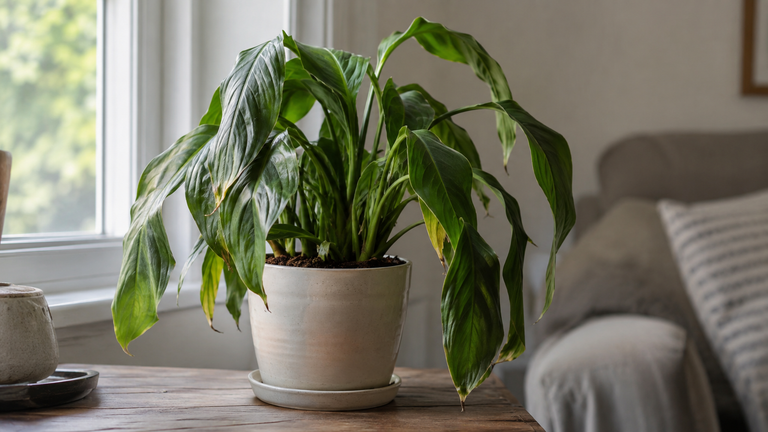
A thriving low-light plant produces healthy new growth, maintains strong stems, and retains rich green foliage. Plants that are merely surviving often develop pale leaves, stretched stems, slower growth, and reduced vigor over time.
Slower growth does not necessarily indicate poor health. A healthy snake plant producing a few new leaves each year may actually be thriving within its environment.
Key Takeaways
- Thriving means healthy growth, not necessarily rapid growth.
- Tropical understory plants adapt naturally to lower light.
- Consistent new growth indicates success.
- Slow growth is normal in low-light conditions.
- Healthy roots and foliage matter more than growth speed.
Which Low-Light Indoor Plants Survive Best?
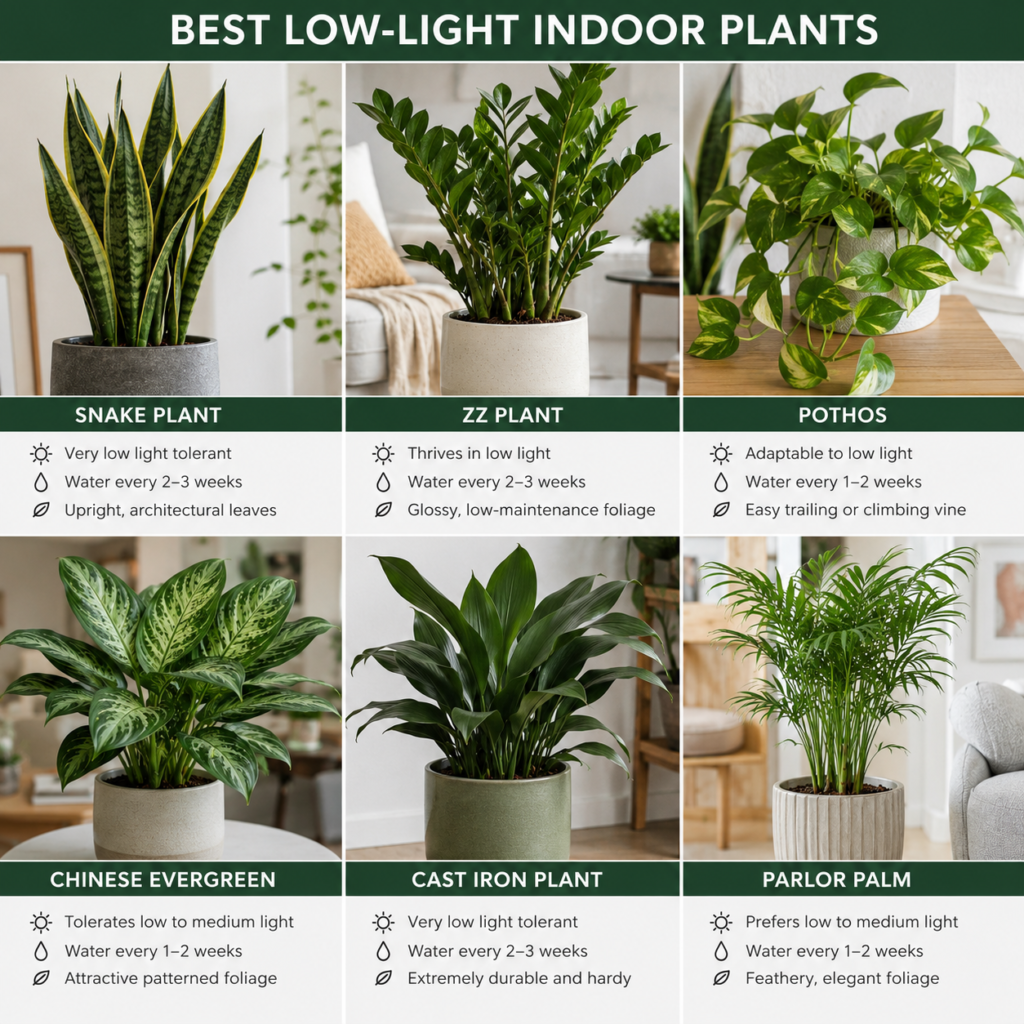
Not all low-light plants perform equally. Some species are exceptionally resilient and tolerate neglect, irregular watering, and inconsistent lighting better than others.
The highest-performing low-light indoor plants include:
| Plant | Low-Light Tolerance | Beginner Friendly |
| Snake Plant | Excellent | Yes |
| ZZ Plant | Excellent | Yes |
| Chinese Evergreen | Excellent | Yes |
| Cast Iron Plant | Exceptional | Yes |
| Pothos | Very Good | Yes |
| Parlor Palm | Good | Moderate |
Their ability to store water and adapt to changing conditions makes them extremely forgiving.
Chinese evergreens combine attractive foliage with excellent low-light tolerance, making them both decorative and dependable.
Cast iron plants deserve special recognition because of their extraordinary toughness. Their common name reflects their ability to tolerate conditions that would damage many other houseplants.
Plants With The Highest Long-Term Success Rates
- Snake Plant
- ZZ Plant
- Cast Iron Plant
- Chinese Evergreen
- Golden Pothos
- Parlor Palm
Choosing one of these proven performers dramatically increases your chances of indoor gardening success.
Why Is Snake Plant a Top Low-Light Plant?
The snake plant is often considered the gold standard of low-light houseplants because it combines adaptability, durability, and attractive appearance.
Native to regions with challenging growing conditions, snake plants developed thick, upright leaves capable of storing water for extended periods. This adaptation allows them to tolerate inconsistent watering and environmental stress.
Unlike many houseplants, snake plants remain attractive even when growth slows. Their architectural structure creates visual impact in living rooms, bedrooms, offices, and entryways.
Snake plants are popular because they tolerate drought, low humidity, temperature fluctuations, and occasional neglect while maintaining an attractive architectural appearance. Their exceptional durability makes them one of the most beginner-friendly indoor plants available.
ZZ Plant vs Snake Plant for Beginners
The ZZ plant and snake plant are frequently compared because both are famous for surviving difficult indoor conditions. While both are excellent choices, the best option depends on the owner’s preferences.
ZZ plants feature glossy, waxy leaves that create a polished appearance. Their foliage reflects light beautifully, making rooms feel brighter and more vibrant.
One major advantage of ZZ plants is their underground rhizomes. These structures store water and nutrients, helping the plant survive extended periods without attention.
For absolute beginners, the difference is small because both species are highly forgiving. Many indoor gardeners eventually keep both due to their complementary appearance and reliability.
ZZ plants offer glossy tropical foliage and excellent drought tolerance, while snake plants provide a more architectural appearance with exceptional durability. Both adapt well to low-light environments and require minimal maintenance.
For most beginners, either plant represents an excellent starting point for indoor gardening.
Why Do Pothos Plants Thrive in Low Light?
Pothos is one of the most recommended low-light indoor plants because it combines adaptability, attractive trailing growth, and easy maintenance. While pothos grows fastest in bright indirect light, it can continue producing healthy foliage in significantly dimmer environments than many other houseplants.
In its natural habitat, pothos grows beneath tropical forest canopies where sunlight is filtered through layers of vegetation. This adaptation allows it to use limited light efficiently. As a result, pothos often thrives in apartments, offices, hallways, and living rooms that receive only moderate natural light.
Pothos remains popular because it tolerates inconsistent watering, varying humidity, and lower light levels better than many houseplants. Even when conditions are not ideal, pothos typically remains healthy and continues growing.
Pothos is highly versatile and works well in hanging baskets, on shelves, or trailing naturally from furniture.
However, low light does affect appearance. Variegated varieties may lose some of their distinctive patterns when grown in darker areas because the plant produces more chlorophyll to maximize energy production.
Why Pothos Is a Top Low-Light Choice
- Adapted to filtered tropical light
- Fast growth compared to many low-light plants
- Tolerates occasional neglect
- Works well in hanging displays
- Excellent beginner houseplant
Signs Your Pothos Is Thriving
- New vines appear regularly
- Leaves remain vibrant green
- Stems stay strong and compact
- Roots develop steadily
- Growth continues year-round indoors
For faster growth and decorative appeal, pothos remains one of the most rewarding low-light houseplants.
Best Low-Light Plants for Living Rooms
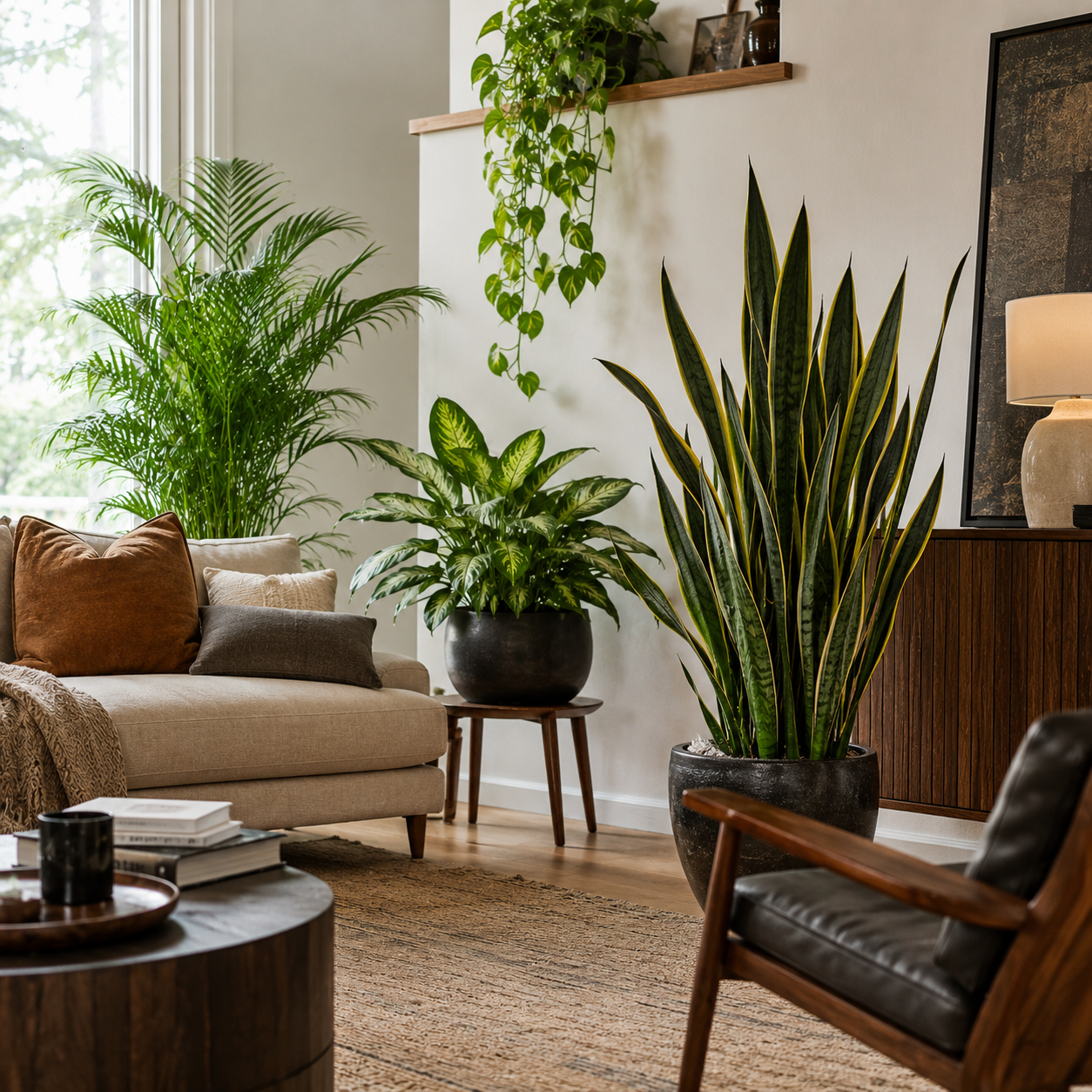
Living rooms often provide some of the best opportunities for indoor plants because they typically receive indirect natural light while offering enough space for larger specimens. Choosing the right low-light plants can transform an ordinary room into a more inviting and visually appealing environment.
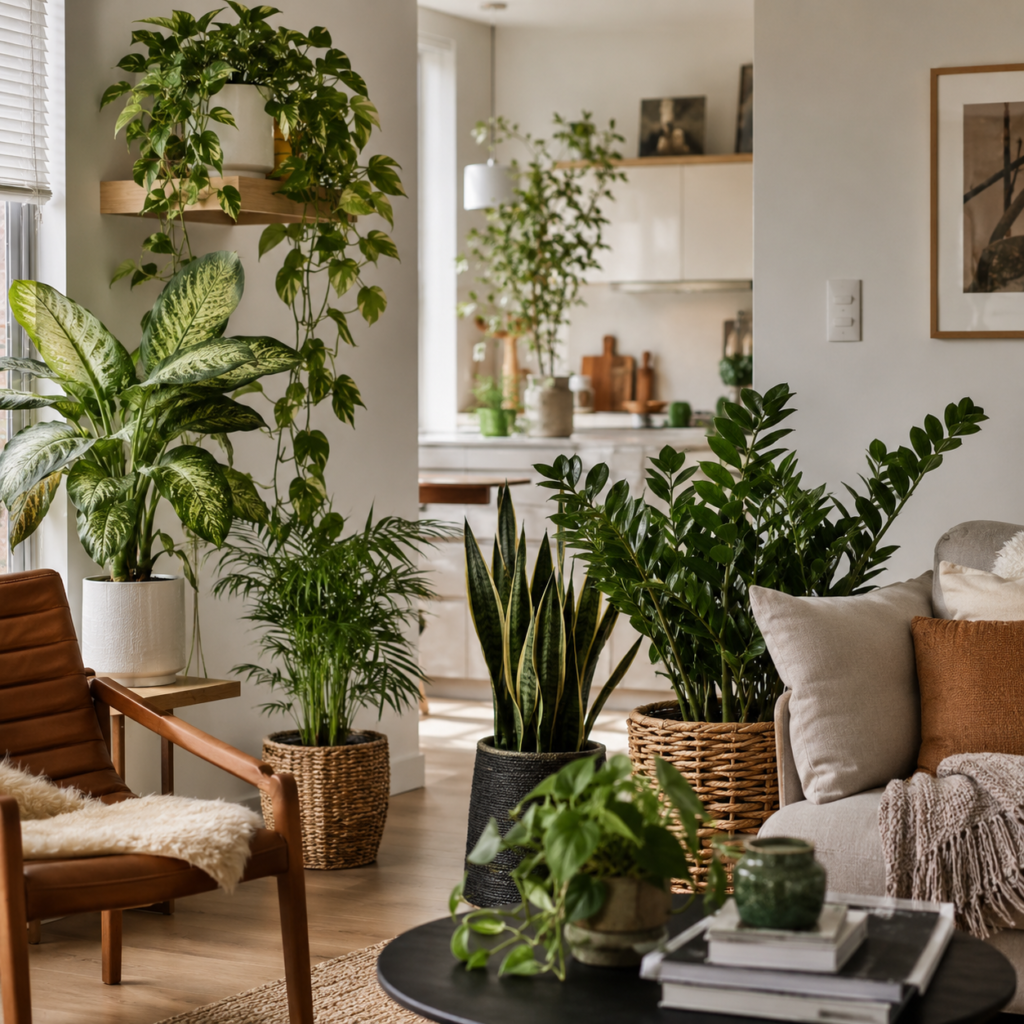
Snake plants, ZZ plants, Chinese evergreens, and parlor palms are among the best low-light plants for living rooms because they add structure, greenery, and visual impact without requiring excessive sunlight. Larger specimens can serve as attractive focal points near north-facing windows, while pothos and philodendrons work well on shelves, coffee tables, and entertainment centers where their trailing foliage softens hard surfaces.
Best Living Room Low-Light Plants
- Snake Plant
- ZZ Plant
- Chinese Evergreen
- Parlor Palm
- Philodendron
- Pothos
Living Room Placement Tips
- Keep plants away from heating vents
- Avoid direct afternoon sunlight
- Group plants for visual impact
- Leave adequate airflow around foliage
If you’re looking to upgrade your indoor styling, consider reading Best Indoor Plants for Living Room Decor for additional placement ideas and design inspiration.
Best Low-Light Plants for Bedrooms?
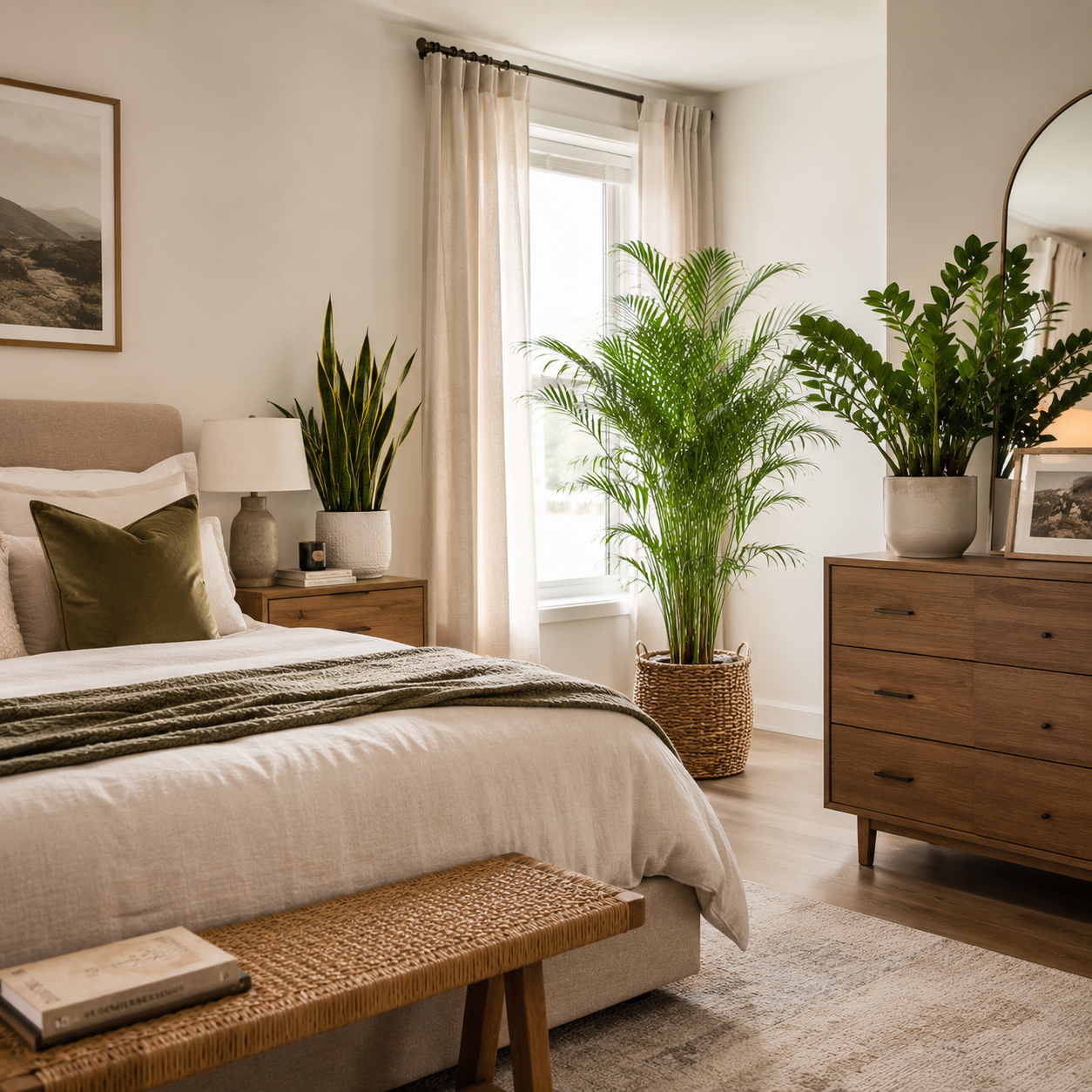
These factors make them suitable environments for several low-light indoor plants. Bedrooms often provide softer light and stable conditions that suit many low-light houseplants.
Snake plants are among the most popular bedroom plants because of their low-maintenance nature and upright growth habit. Their vertical structure allows them to fit comfortably into corners, nightstands, and smaller spaces without overwhelming the room.
ZZ plants also perform exceptionally well in bedrooms because they tolerate infrequent watering and continue looking healthy even in shaded areas.
Parlor palms offer a softer appearance and help create a relaxing atmosphere. Their feathery fronds introduce texture while maintaining a calm aesthetic that works particularly well with minimalist or Scandinavian-inspired interiors.
Peace lilies can also work well in bedrooms but typically require more consistent watering than snake plants or ZZ plants.
Best Bedroom Low-Light Plants
- Snake Plant
- ZZ Plant
- Parlor Palm
- Peace Lily
- Heartleaf Philodendron
- Chinese Evergreen
Why These Plants Work Well
- Compact growth habits
- Minimal maintenance
- Attractive foliage
- Adaptability to low light
- Suitable for smaller spaces
Best Low-Light Plants for Offices
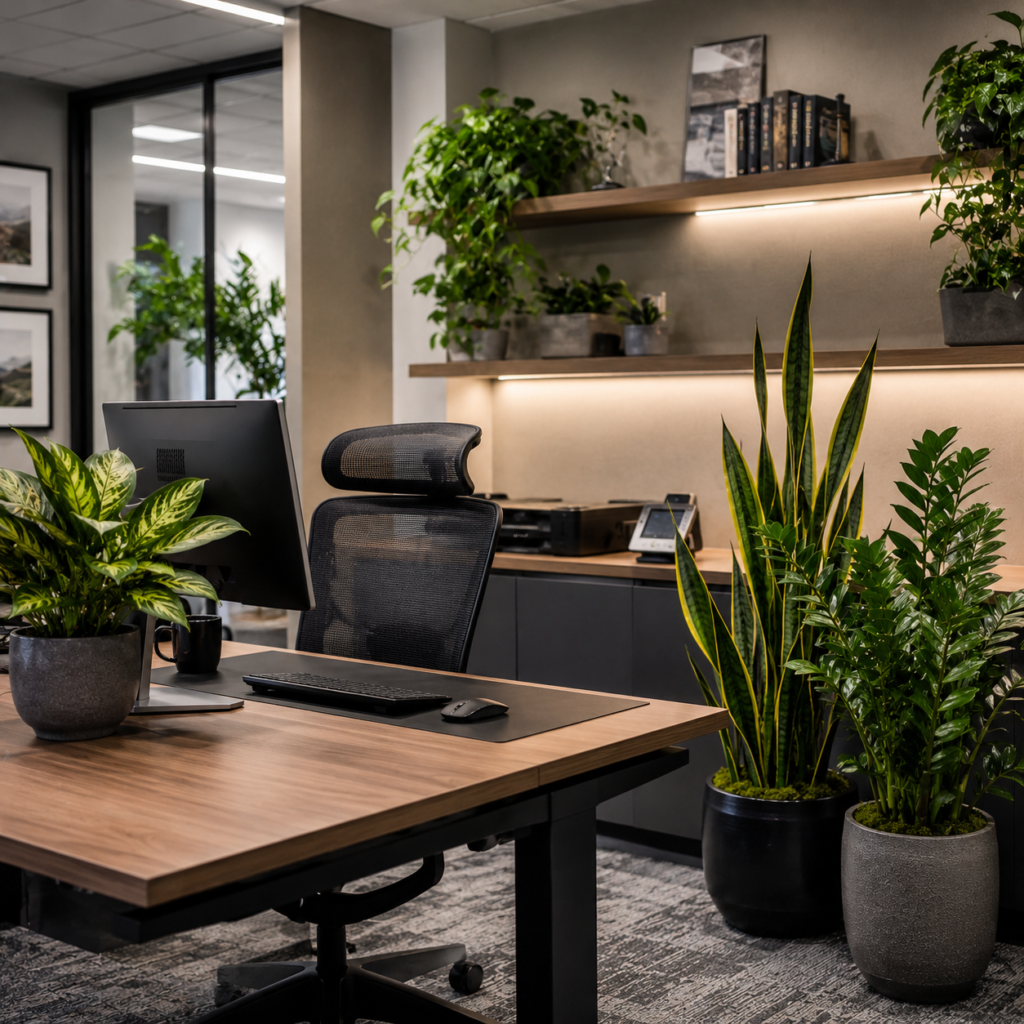
Several low-light indoor plants adapt remarkably well to office environments.
Several species naturally tolerate these conditions.
Snake plants are another excellent choice. Their ability to tolerate low light and dry indoor air makes them ideal for desks, reception areas, and conference rooms.
Chinese evergreens perform particularly well in offices because they adapt to fluorescent lighting while providing attractive foliage. Their decorative leaves add visual interest without demanding extensive care.
Pothos plants also thrive in office settings. Their trailing vines soften sterile workspaces and can grow successfully under high-quality LED lighting.
Best Office Plants
- ZZ Plant
- Snake Plant
- Chinese Evergreen
- Pothos
- Cast Iron Plant
- Philodendron
Office Plant Care Tips
- Water less frequently than at home
- Keep plants away from air vents
- Dust leaves regularly
- Rotate positions occasionally
- Use LED grow lights if necessary
Low-light office plants offer one of the easiest ways to introduce greenery into professional environments while requiring very little maintenance.
Best Pet-Safe Low-Light Plants
Many popular low-light plants, including snake plants, pothos, philodendrons, and ZZ plants, are not considered pet-safe, making plant selection important for households with pets.
Several pet-friendly plants also perform well in lower-light environments.
Spider plants also remain a popular choice. They tolerate moderate low-light conditions and produce attractive arching foliage that brightens indoor spaces.
Some calathea varieties can adapt to lower light levels while remaining safe for pets. However, they often require more humidity and care than beginner-friendly plants like snake plants.
Pet-Safe Low-Light Plants
- Parlor Palm
- Spider Plant
- Calathea
- Prayer Plant
- Certain Peperomia Varieties
Pet Owner Tips
- Research every plant before purchase
- Place plants out of reach when possible
- Monitor chewing behavior
- Choose non-toxic varieties for peace of mind
- Avoid assuming all houseplants are safe
Balancing aesthetics, ease of care, and pet safety allows homeowners to enjoy indoor greenery without unnecessary risk.
Can Grow Lights Help Low-Light Plants?
Artificial lighting has become increasingly important for indoor gardening, especially in apartments, offices, and homes with limited natural sunlight. Modern LED grow lights can significantly improve plant health when natural light is insufficient.
Many low-light plants tolerate artificial lighting surprisingly well. Species such as snake plants, ZZ plants, pothos, and Chinese evergreens often continue growing successfully under quality LED fixtures.
Even low-light plants require sufficient light for photosynthesis and long-term health.
LED grow lights offer several advantages:
- Energy efficiency
- Adjustable brightness
- Low heat production
- Full-spectrum options
- Year-round consistency
Artificial lighting becomes especially useful during winter when daylight hours decrease significantly. Supplemental lighting helps maintain healthier growth and prevents many of the problems associated with seasonal light shortages.
For many indoor gardeners, artificial lighting transforms difficult low-light spaces into environments where plants can genuinely thrive rather than merely survive.
Common Low-Light Plant Mistakes
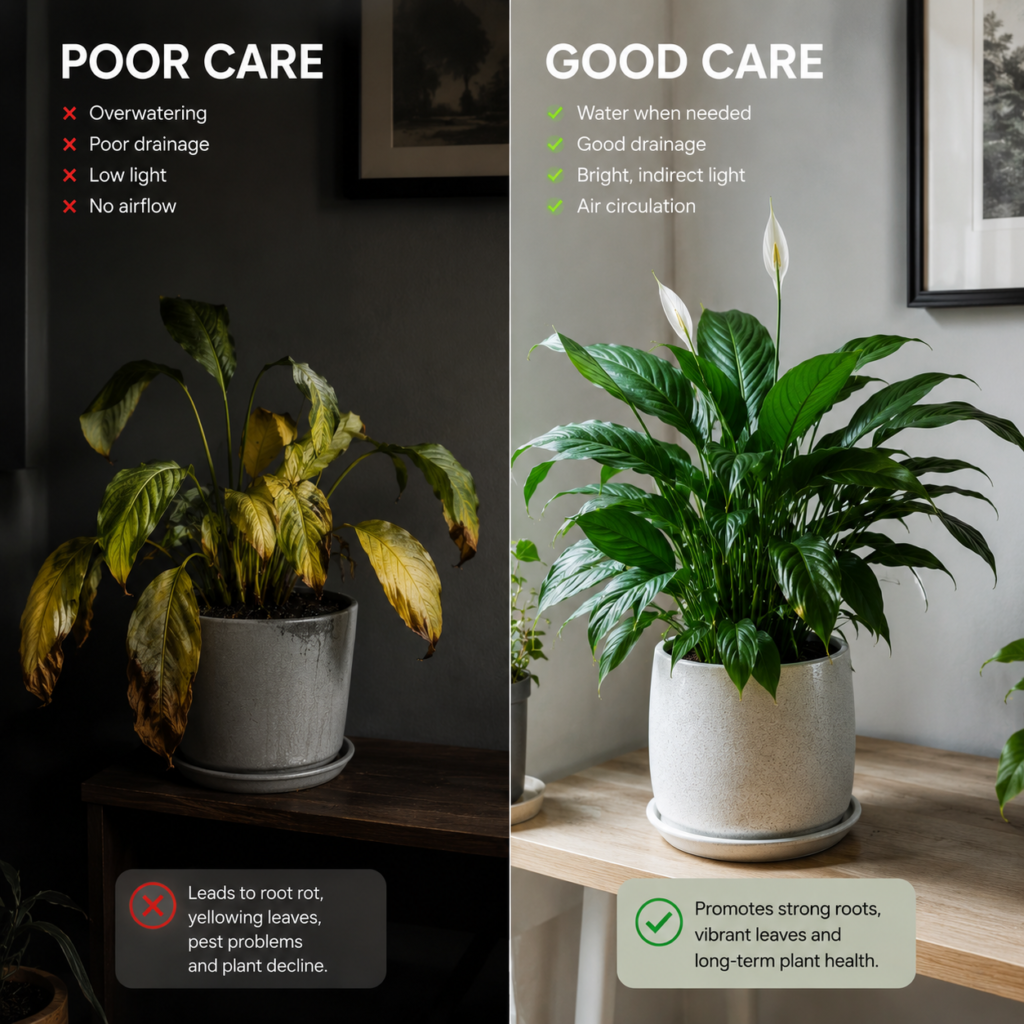
Ironically, insufficient light is not the most common reason low-light houseplants die. Overwatering consistently ranks as the number one killer of indoor plants. Because low-light environments slow evaporation and plant growth, water remains in the soil longer. Many plant owners continue watering on a fixed schedule, causing roots to sit in constantly wet soil.
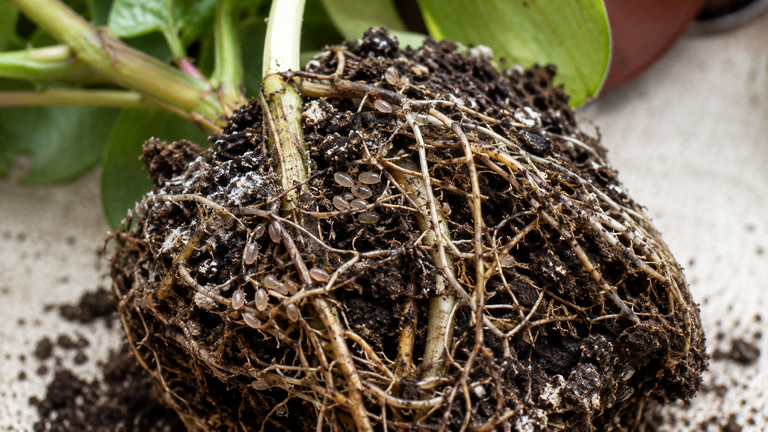
Root rot occurs when roots stay saturated too long, causing yellow leaves, soft stems, and rapid decline.
Another common mistake is assuming that all low-light plants thrive in extremely dark corners. Even the most shade-tolerant species need some level of light to maintain healthy growth. A snake plant may survive in a dim hallway for months, but its health gradually declines if it never receives adequate illumination.
Poor drainage also causes problems. Decorative pots without drainage holes trap excess moisture and increase the risk of root disease.
Plants placed near air-conditioning vents, heaters, drafty windows, or frequently opened doors experience environmental fluctuations that affect growth.
Common Low-Light Plant Mistakes
- Overwatering
- Using pots without drainage
- Placing plants in complete darkness
- Ignoring seasonal changes
- Keeping plants near heating or cooling vents
- Fertilizing excessively
- Never cleaning dusty leaves
How to Avoid These Problems
- Check soil moisture before watering
- Use containers with drainage holes
- Provide at least some indirect light
- Adjust watering seasonally
- Maintain stable temperatures
Most low-light plant failures occur because owners provide too much care rather than too little. A simple, consistent approach usually produces better results.
Signs a Plant Needs More Light
Low-light plants are adaptable, but they still communicate when lighting conditions become inadequate. Learning to recognize these signals helps prevent long-term decline.
While low-light plants naturally grow more slowly, a complete halt in growth may indicate insufficient light. If your pothos has not produced a new leaf in months or your ZZ plant remains stagnant for extended periods, lighting may be the issue.
Leggy growth is another common symptom. Plants stretch toward available light sources, producing longer stems with wider spacing between leaves. This stretched appearance often indicates that the plant is searching for additional light.
Smaller leaves often indicate the plant is conserving energy due to insufficient light.
Additional warning signs include fading color, leaf drop, weak stems, and growth that leans noticeably toward available light sources.
Signs Your Plant Needs More Light
- Little or no new growth
- Stretched stems
- Smaller leaves
- Pale foliage
- Uneven growth patterns
Simple Solutions
- Move the plant closer to a window
- Rotate containers regularly
- Add supplemental LED lighting
- Improve room brightness
- Trim leggy growth when appropriate
Identifying these signs early allows plant owners to make adjustments before serious health problems develop.
Fastest Growing Low-Light Plants
Many people assume low-light plants grow slowly, but some species continue producing impressive growth even in less-than-ideal lighting conditions.
Pothos consistently ranks among the fastest-growing low-light houseplants. Under moderate indoor lighting, pothos vines can extend several feet per year. Their rapid growth and trailing habit make them ideal for shelves, hanging baskets, and decorative displays.
Heartleaf philodendrons also grow quickly and produce lush foliage in lower-light spaces.
Chinese evergreens grow at a moderate pace while maintaining excellent low-light tolerance. Although they do not spread as aggressively as pothos, they steadily produce new foliage throughout the year.
Fastest Growing Low-Light Plants
| Plant | Growth Speed |
| Pothos | Fast |
| Heartleaf Philodendron | Fast |
| Chinese Evergreen | Moderate |
| Parlor Palm | Moderate |
| ZZ Plant | Slow |
| Snake Plant | Slow |
Factors Affecting Growth
- Light availability
- Watering practices
- Temperature
- Humidity
- Pot size
- Soil quality
For homeowners seeking visible progress, pothos remains the clear winner among low-light indoor plants.
How Seasons Affect Low-Light Plants
Seasonal changes influence indoor plants even when they remain inside year-round. Light intensity, daylight duration, humidity levels, and temperature fluctuations all affect plant growth patterns.
Winter is often the most challenging season. Days become shorter, sunlight weakens, and indoor heating reduces humidity. Many low-light plants naturally slow their growth during this period.
This slowdown is normal and should not be mistaken for poor health. Because plants use less water in winter, overwatering becomes a greater risk.
Spring and summer typically bring stronger growth. Longer daylight hours provide more energy, encouraging leaf production and root development.
Seasonal Care Adjustments
Winter
- Water less frequently
- Increase humidity if necessary
- Consider supplemental lighting
- Avoid heavy fertilization
Spring
- Resume regular feeding
- Monitor new growth
- Repot if needed
Summer
- Watch for heat stress
- Maintain watering consistency
- Protect from harsh direct sun
Fall
- Reduce fertilization
- Prepare for slower growth
- Monitor indoor light levels
Understanding seasonal behavior helps plant owners provide appropriate care throughout the year while avoiding unnecessary interventions.
Which Low-Light Plants Are Worth Buying?
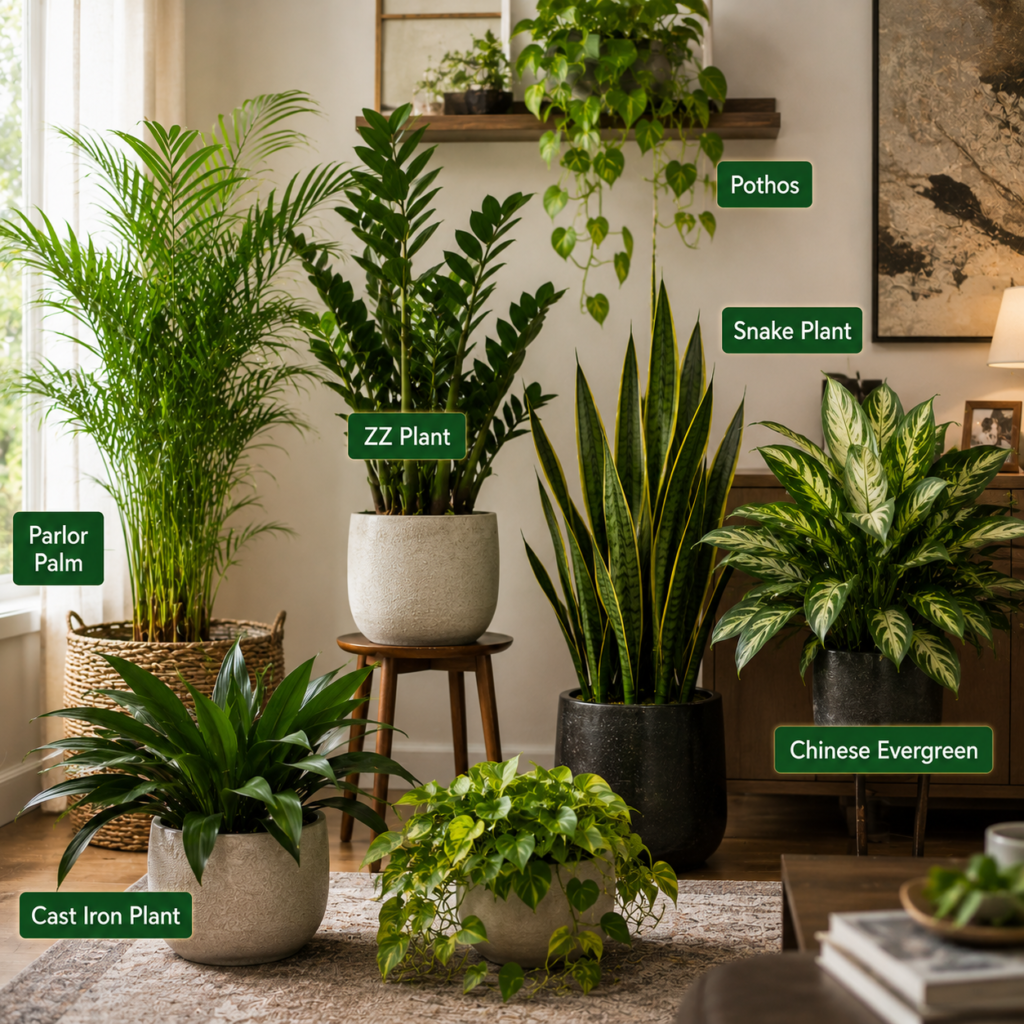
If your goal is maximum success with minimal maintenance, several plants consistently outperform the competition.
For beginners, snake plants and ZZ plants remain the most reliable choices. Their resilience, drought tolerance, and adaptability make them nearly foolproof.
For homeowners seeking faster growth and decorative appeal, pothos offers exceptional value. Its trailing vines and forgiving nature make it one of the most rewarding houseplants available.
Chinese evergreens combine beauty and durability, making them ideal for living rooms and offices. Their attractive foliage provides visual impact while maintaining strong low-light performance.
Pet owners should prioritize parlor palms and spider plants, which offer greater safety for households with curious animals.
Top Recommended Low-Light Indoor Plants
Best Overall
- Snake Plant
- ZZ Plant
- Pothos
- Chinese Evergreen
- Cast Iron Plant
When matched correctly, low-light indoor plants can remain healthy, attractive, and enjoyable for many years.
Low-Light Plant Comparison
| Plant | Low-Light Tolerance | Maintenance | Growth Rate | Pet Safe |
| Snake Plant | Excellent | Very Easy | Slow | No |
| ZZ Plant | Excellent | Very Easy | Slow | No |
| Pothos | Very Good | Easy | Fast | No |
| Chinese Evergreen | Excellent | Easy | Moderate | No |
| Cast Iron Plant | Exceptional | Very Easy | Slow | No |
| Parlor Palm | Good | Easy | Moderate | Yes |
| Spider Plant | Moderate | Easy | Moderate | Yes |
FAQ sECTION
What is the easiest low-light indoor plant to keep alive?
Snake plants and ZZ plants are generally the easiest because they tolerate low light, infrequent watering, and occasional neglect.
Can indoor plants survive without windows?
Most plants cannot thrive indefinitely without light. Artificial grow lights are usually necessary in windowless rooms.
Which low-light plant grows the fastest?
Pothos is one of the fastest-growing low-light houseplants and can produce several feet of vine growth annually.
Why are my low-light plants turning yellow?
Yellow leaves often result from overwatering, poor drainage, or insufficient light.
Are snake plants safe for pets?
No. Snake plants are generally considered toxic if ingested by cats or dogs.
Can LED grow lights help low-light plants?
Yes. Modern full-spectrum LED grow lights can significantly improve plant health and growth when natural light is limited.
Myra is the founder and lead writer of Plantsaholic. She shares practical, research-backed advice on indoor plants, outdoor gardening, flowers, herbs, succulents, and everyday plant care. Her goal is to help gardeners of all experience levels grow healthier plants through simple, easy-to-follow gardening guides.