How to Increase Humidity for Plants: A Measure-First Guide
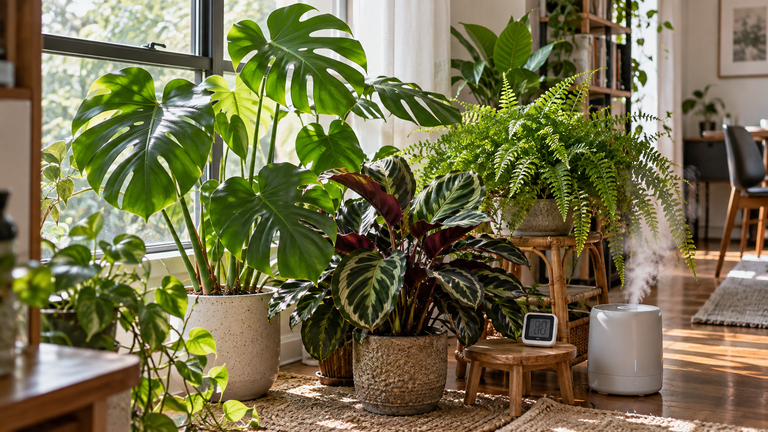
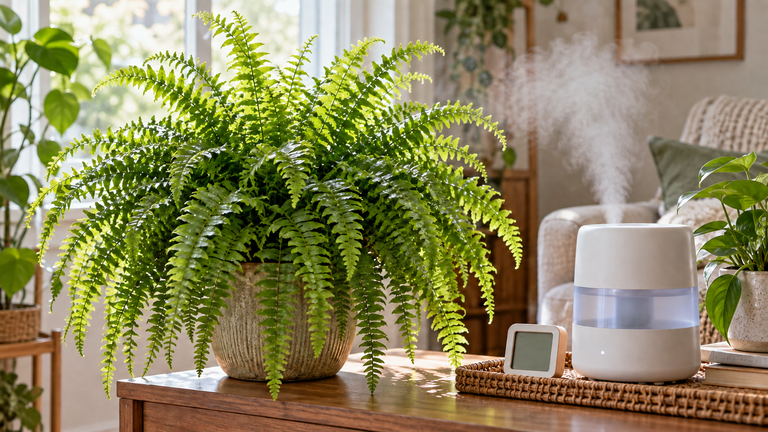
To increase humidity for plants, measure relative humidity first. Use grouping or passive evaporation for small local changes, a humidifier for sustained room-wide dryness, and
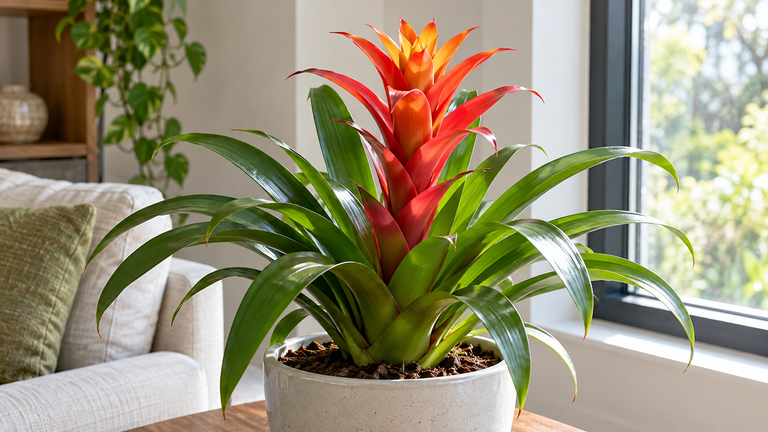
Bromeliads are easy to care for when you give them bright indirect light, warm conditions, good drainage, moderate humidity, and the right watering method for
Hoya Carnosa Care: Light, Water, Soil and Humidity Guide
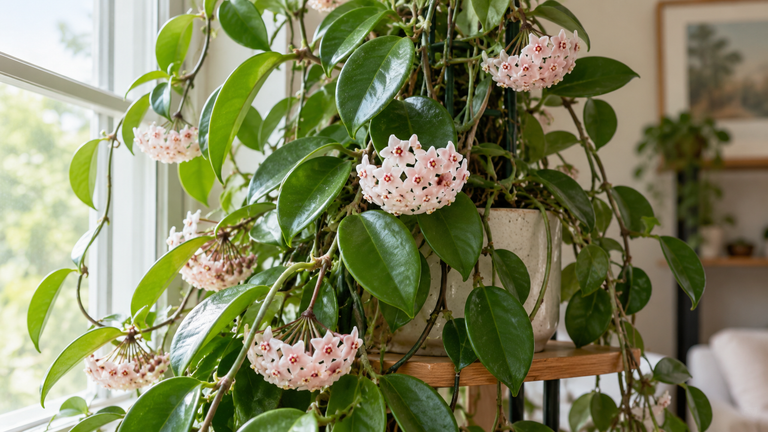
Hoya carnosa, commonly called the wax plant or porcelain flower, is a long-lived climbing or trailing houseplant known for its thick glossy leaves, fragrant star-shaped
Root Aphids in Houseplants: How to Identify, Treat, and Prevent Them
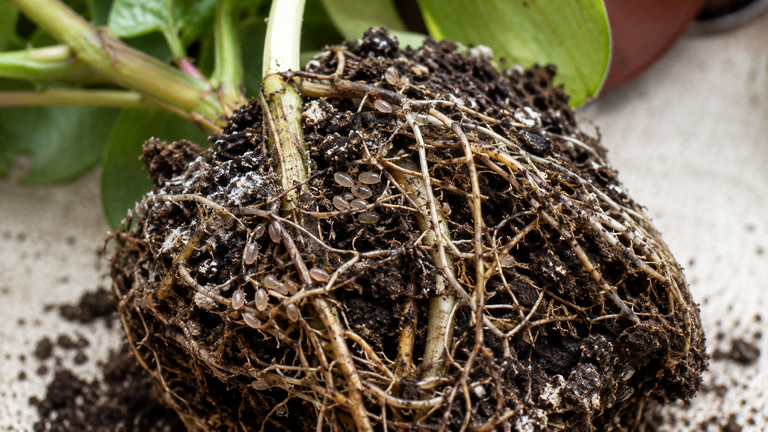
Root aphids in houseplants are tiny sap-feeding insects that live on or around plant roots. They can contribute to yellowing leaves, wilting, weak growth, and
9 Signs of Root Rot in Plants and How to Confirm It
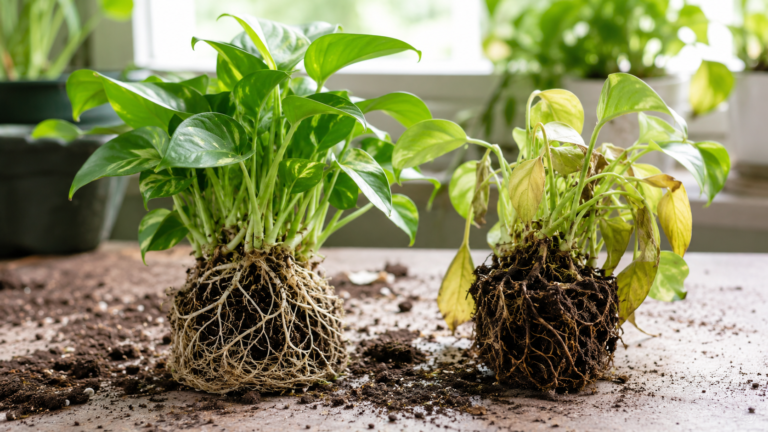
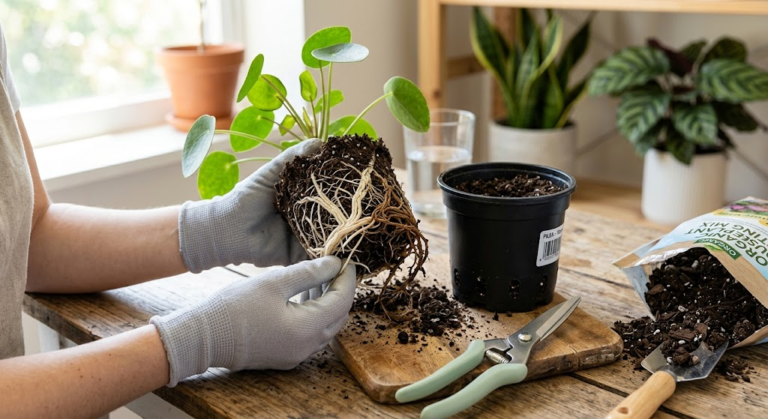
The clearest signs of root rot in plants are wilting while the soil remains wet, yellow or dropping leaves, stalled growth, sour-smelling potting mix, a
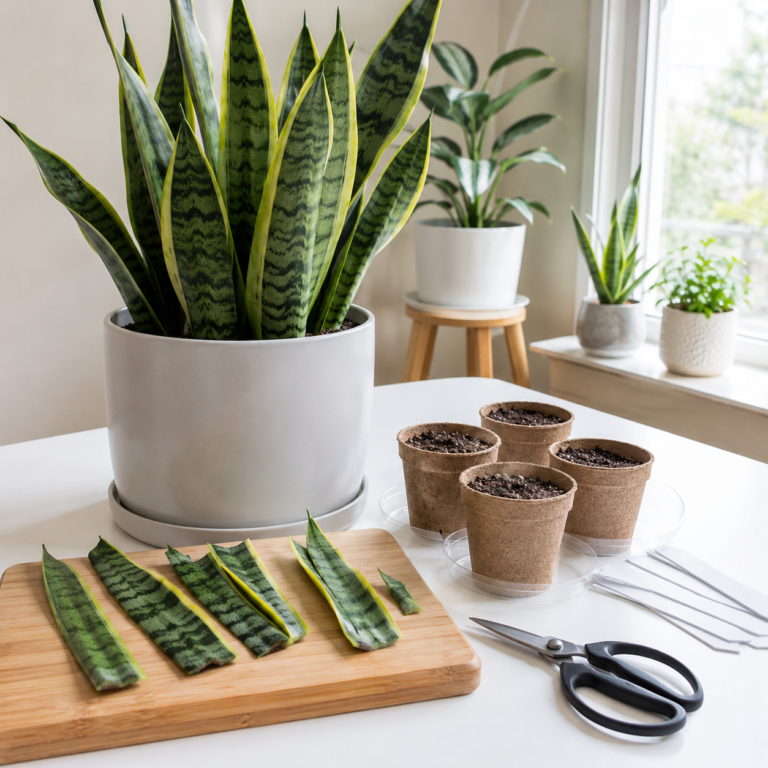
You can propagate a snake plant without killing it by using a healthy mother plant, clean tools, dry callused cuttings, fast-draining soil, and very careful