Plants reveal their health through their leaves, roots, stems, growth patterns, and overall appearance. Healthy plants result from a balance of proper light, water, soil, nutrients, and care rather than any single factor.
Learning the key signs of plant health helps identify problems early before serious damage occurs. Whether you grow houseplants, succulents, tropical plants, or garden plants, healthy growth, vibrant foliage, strong roots, and minimal signs of stress are reliable indicators of a thriving plant.
Quick Plant Health Checklist
- Vibrant, species-appropriate leaves
- Consistent new growth
- Firm stems
- Healthy roots
- Proper soil moisture
- No visible pests
- Minimal leaf damage
- No foul odors
- Strong overall appearance
What Does a Healthy Plant Look Like?
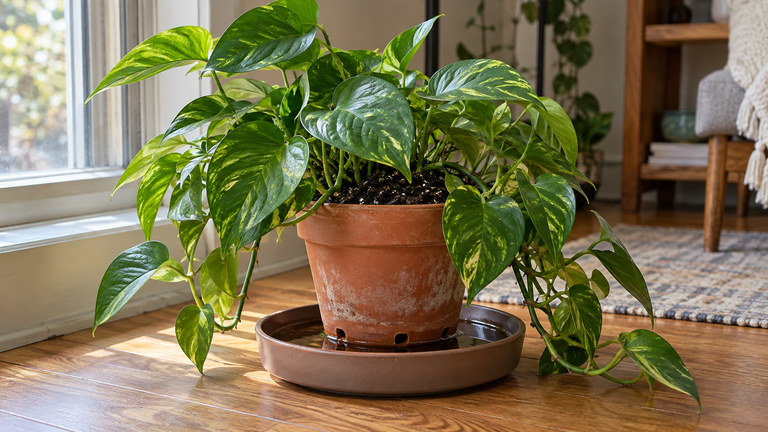
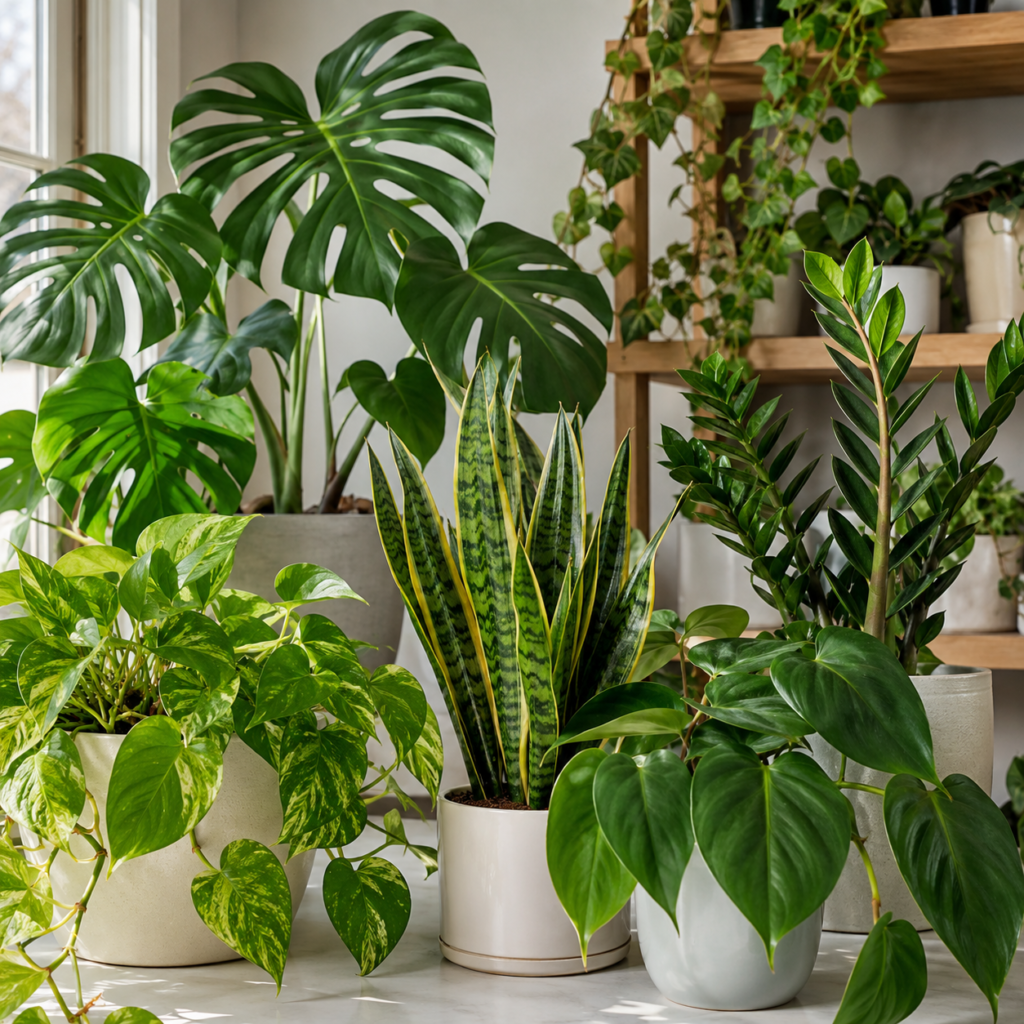
A healthy plant usually looks balanced, vigorous, and actively growing. While different plant species have unique appearances, most healthy plants share several common characteristics. They produce consistent growth, maintain strong stems, develop healthy roots, and display foliage with proper color and texture. Whether you are caring for a pothos, monstera, snake plant, philodendron, or outdoor ornamental plant, overall vitality is often visible long before specific measurements or testing become necessary.
Many beginners focus on a single feature such as leaf color or flowering, but true plant health is determined by the condition of the entire plant. A plant may have green leaves while suffering from root problems below the soil surface. Likewise, a non-flowering plant may still be thriving if it continues producing healthy foliage and roots. Evaluating multiple indicators together provides a much more accurate picture of plant health than relying on one symptom alone.
Healthy plants commonly display:
- Vibrant, species-appropriate foliage
- Consistent new growth
- Strong stems and branches
- Healthy root systems
- Balanced moisture levels
- Good resistance to pests
- Natural growth habits
- Proper leaf size and shape
Healthy Plant vs Unhealthy Plant Comparison
Comparing healthy and unhealthy characteristics side by side is one of the easiest ways to evaluate plant condition. While individual symptoms provide useful information, examining multiple indicators together creates a more complete picture of overall health. This comparison framework helps beginners make informed observations and identify potential problems earlier.
Healthy plants typically show balance across all major growth areas. Leaves maintain proper color, roots function efficiently, stems remain strong, and growth continues at a species-appropriate rate. Unhealthy plants often display several warning signs simultaneously, even if one symptom appears more obvious than the others.
| Feature | Healthy Plant | Unhealthy Plant |
| Leaves | Vibrant and firm | Yellow, brown, wilted |
| Roots | White and healthy | Brown, mushy, damaged |
| Growth | Consistent | Stunted or absent |
| Stems | Strong and upright | Weak or collapsing |
| Soil | Well-draining | Compacted or waterlogged |
| Pests | None visible | Active infestation |
| Color | Consistent | Uneven or faded |
| Moisture | Balanced | Too dry or too wet |
Why Are Leaves Key Health Indicators?
Leaves are often the first place where plant health issues become visible. Because leaves are responsible for photosynthesis, they react quickly to changes in watering, lighting, humidity, temperature, and nutrient availability. For this reason, experienced gardeners and houseplant enthusiasts often inspect leaves first when evaluating plant health.
Healthy leaves efficiently capture sunlight and convert it into energy that fuels growth throughout the plant. When environmental conditions are favorable, leaves maintain good color, proper structure, and healthy texture. However, when a plant experiences stress, foliage often begins showing symptoms before roots, stems, or flowers reveal obvious problems. This makes leaves one of the most valuable diagnostic tools available to plant owners.
Leaves can reveal information about:
- Watering practices
- Light exposure
- Nutrient deficiencies
- Humidity levels
- Pest infestations
- Disease development
- Environmental stress
What Color Should Healthy Leaves Be?
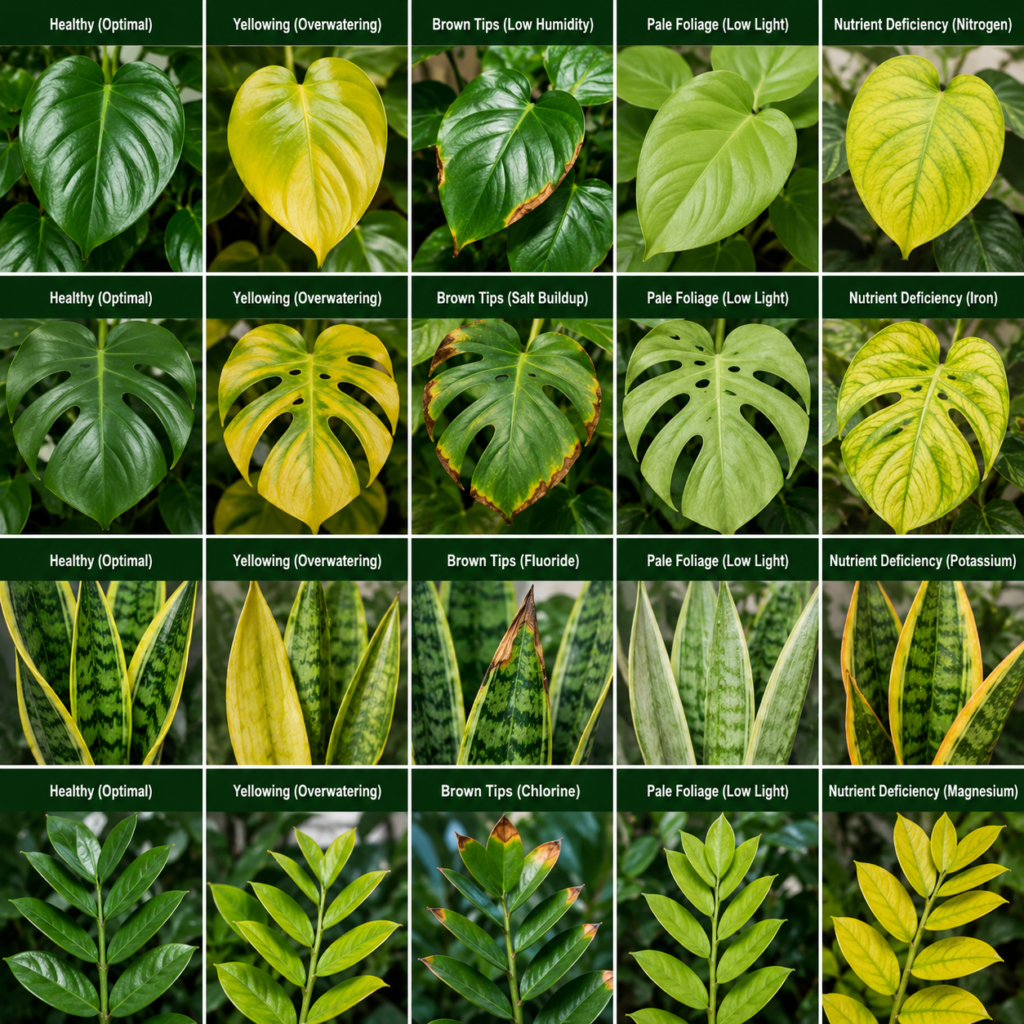
Healthy leaf color depends on the plant species, but leaves should generally appear vibrant, consistent, and appropriate for the plant’s natural characteristics. For most houseplants, rich green foliage is considered a strong indicator of healthy chlorophyll production and efficient photosynthesis. Chlorophyll is responsible for capturing sunlight and converting it into usable energy, making leaf color closely connected to overall plant health.
Not all healthy plants are green. Many popular indoor plants naturally display silver, cream, yellow, red, purple, or variegated patterns. Plants such as calatheas, crotons, aglaonemas, and variegated monsteras have unique color variations that are completely normal. The key is consistency. Healthy leaves should display the coloration expected for that particular species without sudden or widespread changes.
Characteristics of healthy leaf color include:
- Even coloration
- Vibrant appearance
- Species-appropriate patterns
- Minimal discoloration
- Healthy leaf sheen
- Consistent pigmentation
Sudden changes in color often indicate stress. Yellow leaves may suggest overwatering, nutrient deficiencies, or aging foliage. Brown patches can result from underwatering, low humidity, or excessive sunlight. Pale leaves may indicate insufficient nutrients or inadequate lighting. Blackened areas can signal disease, frost damage, or severe root issues.
How Does New Growth Reflect Plant Health?
New growth is one of the strongest signs that a plant is healthy and actively functioning. Plants invest considerable energy into producing new leaves, stems, roots, flowers, and shoots. When a plant consistently generates new growth, it demonstrates that its photosynthesis, nutrient absorption, and water transport systems are working effectively.
Healthy new growth often appears slightly different from mature foliage. Young leaves may emerge lighter in color before gradually darkening as they mature. New stems and shoots may also appear softer initially before strengthening over time. These natural differences are normal and usually indicate active development rather than problems.
Indicators of healthy new growth include:
- Emerging leaves
- Fresh shoots
- Expanding stems
- New root development
- Consistent seasonal growth
- Proper leaf formation
- Balanced plant structure
In practical plant care, observing new growth provides valuable insight into whether current care practices are working. Plants that consistently produce healthy leaves and shoots are usually receiving adequate light, water, nutrients, and environmental support. If growth becomes distorted, unusually small, or stops entirely for long periods, it may be time to evaluate growing conditions and identify potential stress factors.
How Do Plants Grow Through the Seasons?
Plant growth is not constant throughout the year. Many plant owners become concerned when growth slows or temporarily stops, but seasonal changes are a normal part of plant development. Healthy plants naturally respond to shifts in daylight hours, temperature, and environmental conditions. Understanding seasonal growth patterns helps distinguish normal dormancy from genuine health problems.
During spring and summer, most plants enter their active growing period. Increased daylight and warmer temperatures encourage the production of new leaves, stems, roots, and flowers. As fall approaches, many plants begin slowing their growth to conserve energy. Winter often brings a period of semi-dormancy or full dormancy, especially for species adapted to seasonal climates. During this time, plants may require less water, fewer nutrients, and less frequent maintenance without indicating poor health.
Healthy seasonal growth patterns include:
- Rapid growth in spring
- Active development during summer
- Gradual slowdown in fall
- Dormancy or reduced growth in winter
- Lower water requirements during cooler months
- Slower nutrient uptake during dormancy
- Natural leaf shedding in some species
- Resumption of growth when conditions improve
What Do Healthy Stems Look Like?
Stems and branches serve as the structural framework of a plant. They support leaves, transport water and nutrients, and help maintain overall plant stability. While leaves often receive more attention, stem health is equally important when evaluating a plant’s condition.
Healthy stems are typically firm, sturdy, and appropriately colored for the species. They should support the plant’s weight without collapsing, bending excessively, or showing signs of decay. Strong stems also indicate that the plant is receiving adequate light because proper lighting encourages compact, stable growth rather than weak stretching.
Characteristics of healthy stems and branches include:
- Firm texture
- Upright growth
- Consistent coloration
- Strong branching
- No soft spots
- No severe cracking
- Balanced structure
- Healthy flexibility
Weak stems often reveal underlying problems. Leggy growth may indicate insufficient light, causing the plant to stretch toward available light sources. Soft or mushy stems frequently suggest rot associated with overwatering. Discolored stems can sometimes indicate disease, physical injury, or environmental stress.
Why Is Root Health Critical for Plant Survival?
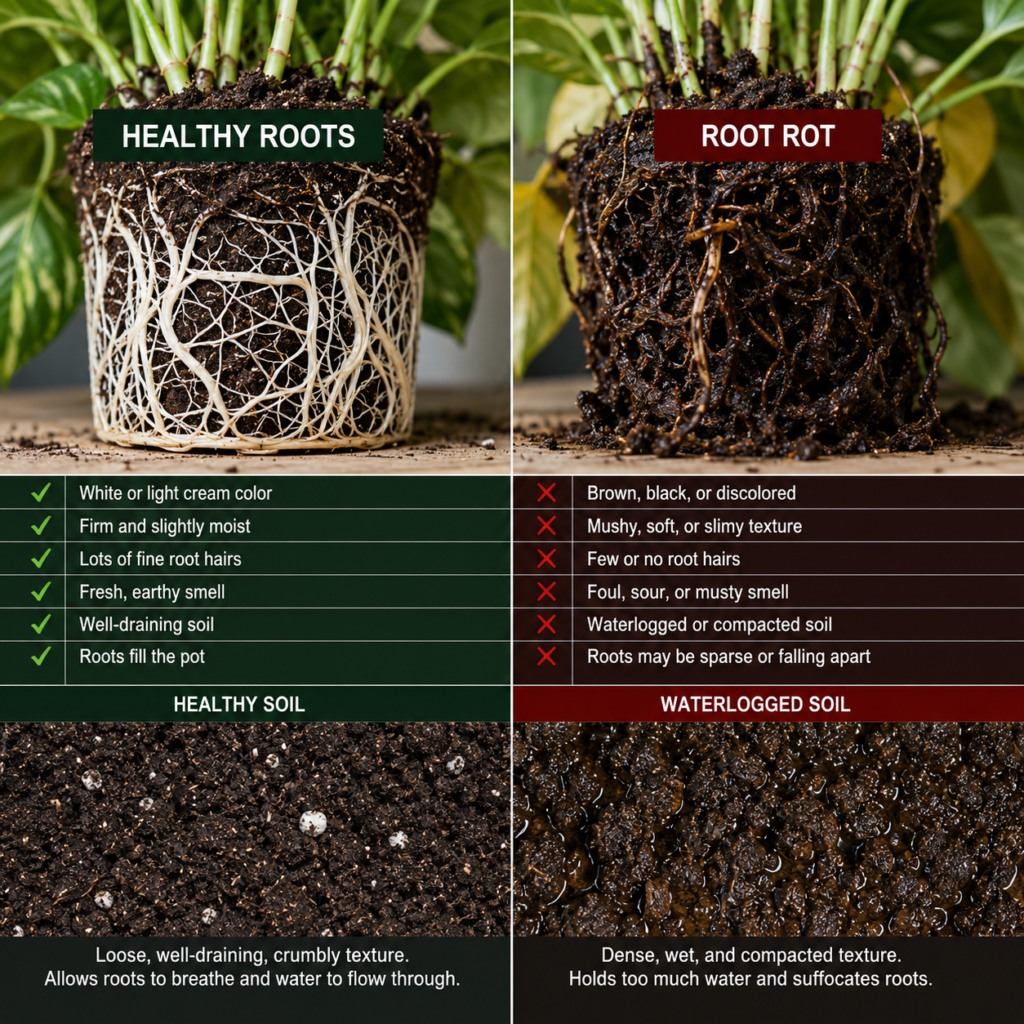
Roots are the foundation of plant health. They absorb water and nutrients, store energy, anchor the plant, and support new growth. When roots function properly, plants are better able to resist stress, recover from damage, and maintain long-term vigor.
Why Roots Matter
- Water absorption
- Nutrient uptake
- Plant stability
- Energy storage
- New growth production
- Disease resistance
- Stress recovery
What Healthy Roots Look Like
- White or cream-colored
- Firm texture
- No foul odor
- Visible active growth
Healthy vs Unhealthy Soil Smell
- Earthy smell: Usually indicates healthy soil and active beneficial microorganisms.
- Sour or rotten smell: Often signals overwatering, poor drainage, or developing root rot.
Signs of Root Problems
- Brown or black roots
- Mushy or slimy texture
- Foul smell
- Wilting despite wet soil
- Yellowing leaves
- Stunted growth
How Does Soil Affect Plant Health?
Soil is much more than a medium that holds a plant upright. It acts as the environment where roots obtain water, nutrients, oxygen, and microbial support. Even the healthiest plant species can struggle if the soil does not provide the proper balance of drainage, aeration, and nutrient availability. Choosing the right soil is one of the most important decisions plant owners can make.
Healthy soil contains a mixture of organic matter, air pockets, moisture, and beneficial microorganisms. These components work together to support root growth and create stable growing conditions. Different plant species require different soil characteristics. Succulents and cacti prefer fast-draining soil, while tropical houseplants often thrive in moisture-retentive but well-aerated mixes.
Healthy soil typically provides:
- Good drainage
- Adequate aeration
- Nutrient retention
- Balanced moisture levels
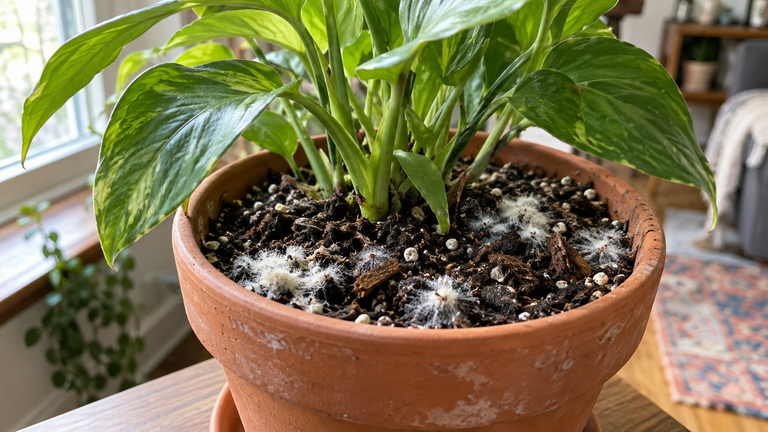
Poor soil conditions can create a wide range of problems. Compacted soil restricts oxygen flow to roots, while waterlogged soil encourages root rot. Nutrient-poor soil may lead to yellowing leaves and weak growth. Soil that dries too quickly can create chronic moisture stress, even when plants are watered regularly.
Why Is Proper Watering Important?
Water is one of the most important resources a plant receives, but it is also one of the most commonly misunderstood aspects of plant care. Many plant problems stem not from a lack of attention but from incorrect watering practices. Healthy plants require consistent moisture levels that support growth without depriving roots of oxygen.
Proper watering allows plants to transport nutrients, maintain cell structure, and carry out photosynthesis effectively. Water also helps regulate plant temperature and supports the movement of sugars throughout the plant. However, more water does not necessarily mean better health. Both overwatering and underwatering can create serious stress that affects every part of the plant.
Signs of proper watering include:
- Firm leaves
- Healthy root systems
- Consistent growth
- Balanced soil moisture
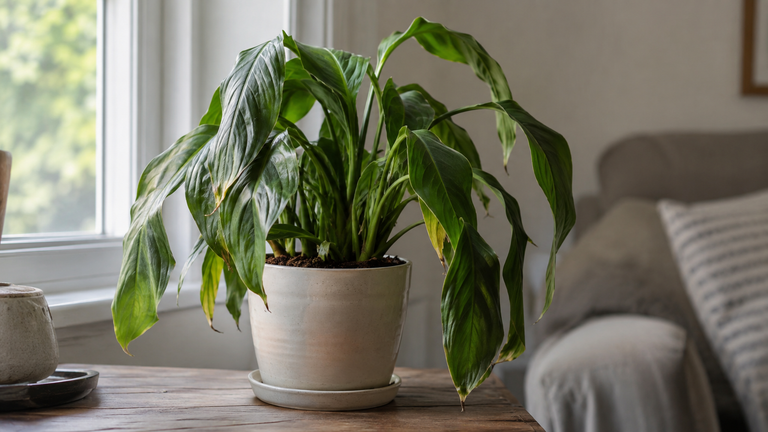
Overwatering remains one of the leading causes of houseplant decline. Excess moisture fills soil air spaces and reduces oxygen availability around roots. Over time, this can lead to root rot, yellow leaves, leaf drop, and weakened growth. Underwatering creates a different set of challenges, including wilting, crispy leaf edges, and slowed development.
How Important Is Light for Plant Health?
Light serves as the primary energy source for plants. Through photosynthesis, plants convert light into sugars that fuel growth, repair tissues, and support every major biological function. Without adequate light, even a plant receiving perfect watering and fertilization will eventually struggle to maintain healthy growth.
Different plants have different lighting requirements. Some species thrive in bright direct sunlight, while others naturally grow beneath forest canopies and prefer indirect light. Understanding a plant’s natural environment often provides valuable clues about its ideal lighting conditions. Matching plants to appropriate light levels is one of the most effective ways to improve long-term plant health.
Signs of adequate lighting include:
- Strong growth
- Healthy leaf color
- Consistent new growth
- Strong stems
Insufficient light often causes plants to stretch toward available light sources, a condition known as etiolation. This results in long, weak stems, sparse foliage, and reduced growth. Excessive light can also be harmful, causing leaf scorch, bleaching, dehydration, and heat stress.
What Are Signs of an Unhealthy Plant?
Unhealthy plants often provide warning signs long before serious decline occurs. Learning to recognize these symptoms allows plant owners to identify problems early and take corrective action before permanent damage develops. In many cases, a plant’s appearance offers valuable clues about underlying issues affecting its health.
One of the most common indicators of poor health is yellowing foliage. While occasional yellow leaves can be part of a normal growth cycle, widespread discoloration often signals stress. Other symptoms may involve changes in growth rate, leaf structure, stem strength, or root condition. Because multiple problems can produce similar symptoms, it is important to evaluate the entire plant rather than focusing on a single issue.
Common warning signs include:
- Yellow leaves
- Brown leaf edges
- Wilting foliage
- Leaf drop
- Stunted growth
- Weak stems
- Pale coloration
- Root problems
- Slow development
- Deformed new growth
A useful approach is to look for patterns rather than isolated symptoms. One damaged leaf rarely indicates a major problem, but widespread decline affecting multiple areas of the plant usually warrants investigation. Healthy plants tend to recover quickly from minor stress, while unhealthy plants often continue deteriorating if underlying causes remain unresolved. Regular observation helps identify these patterns early and improves long-term plant care decisions.
Can a Plant Look Healthy but Still Have Problems?
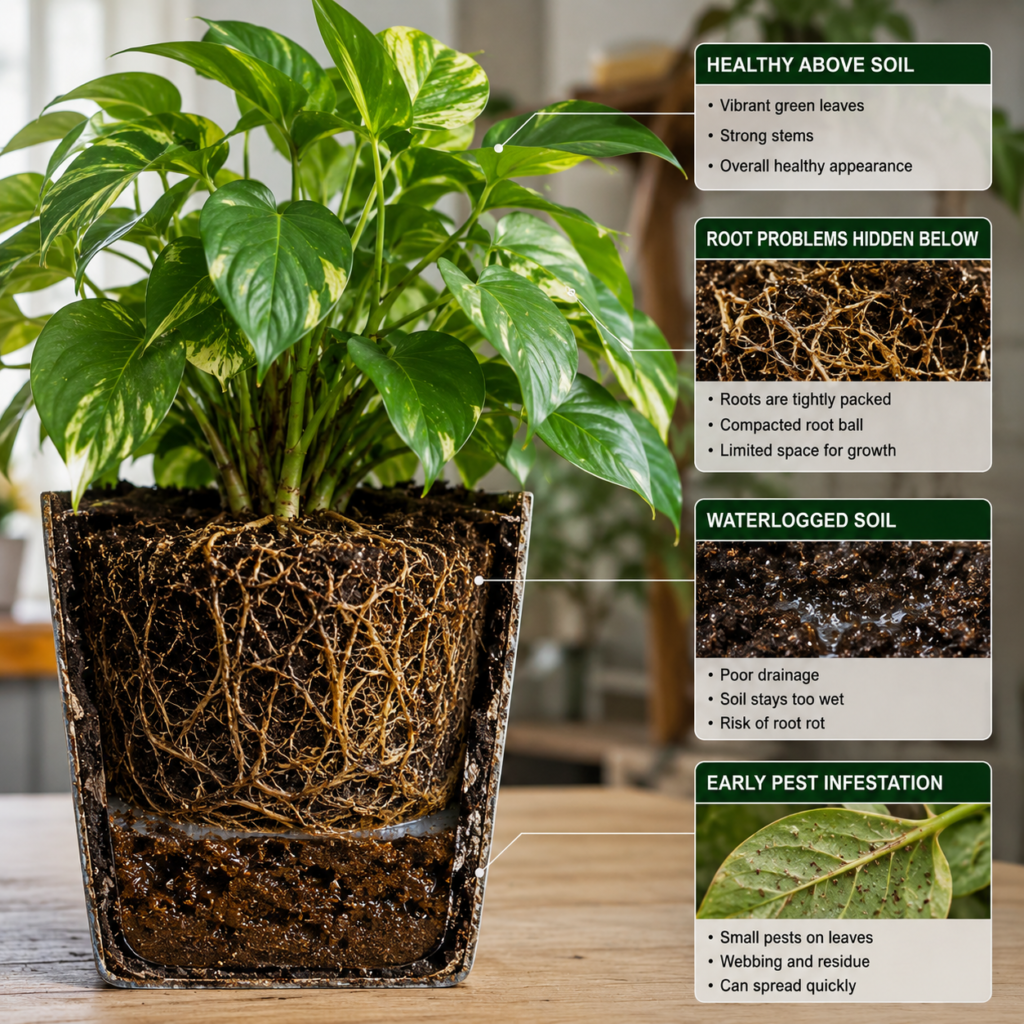
Yes. Many plant problems develop gradually and remain hidden before visible symptoms appear. A plant may have green leaves and still be experiencing issues with roots, nutrients, soil conditions, drainage, or pests.
Because some problems remain hidden for weeks or months, plant owners should inspect more than just foliage. Checking roots, soil moisture, new growth, and leaf undersides can help identify issues before serious damage occurs.
Hidden problems may include:
- Early root rot
- Nutrient deficiencies
- Compacted root systems
- Root-bound conditions
- Spider mite infestations
- Soil drainage problems
- Salt buildup from fertilizer
- Developing diseases
Recovery Timeline
| Plant Problem | Typical Recovery Time |
| Underwatering | Days |
| Light Issues | Weeks |
| Nutrient Problems | Weeks |
| Pest Damage | Weeks |
| Root Rot | Months |
Can a Plant Be Healthy Without Flowers?
Flowering is not a reliable indicator of overall plant health. Many healthy indoor plants rarely produce flowers, and factors such as light, temperature, plant maturity, and seasonal conditions often influence blooming more than plant health itself.
Instead of focusing on flowers, evaluate plant health through strong roots, healthy leaf color, sturdy stems, and consistent new growth. A plant can thrive for years without blooming, making overall growth and vigor far better indicators of health than flower production alone.
How Often Should You Check Your Plants?
Regular observation is one of the most valuable habits a plant owner can develop. Many serious plant problems begin as small, easily manageable issues that gradually worsen when left unnoticed. Consistent inspections allow you to identify changes early and address them before they affect the entire plant.
The good news is that plant inspections do not need to be time-consuming. A brief weekly check is often enough to catch the majority of pest infestations, watering problems, nutrient deficiencies, and disease symptoms. These routine observations also help plant owners become familiar with each plant’s normal appearance, making unusual changes easier to recognize.
A weekly inspection should include:
- Checking leaf color
- Looking for pests
- Assessing soil moisture
- Observing new growth
- Examining stems
- Watching for wilting
- Monitoring leaf drop
- Noting unusual discoloration
How Can You Choose a Healthy Plant Before Buying?
A quick inspection before purchasing can help you select healthier plants and avoid common problems. Focus on a few key indicators of overall plant health.
- Healthy, vibrant leaves
- Firm, sturdy stems
- Healthy roots
- No visible pests or insect damage
- Active new growth
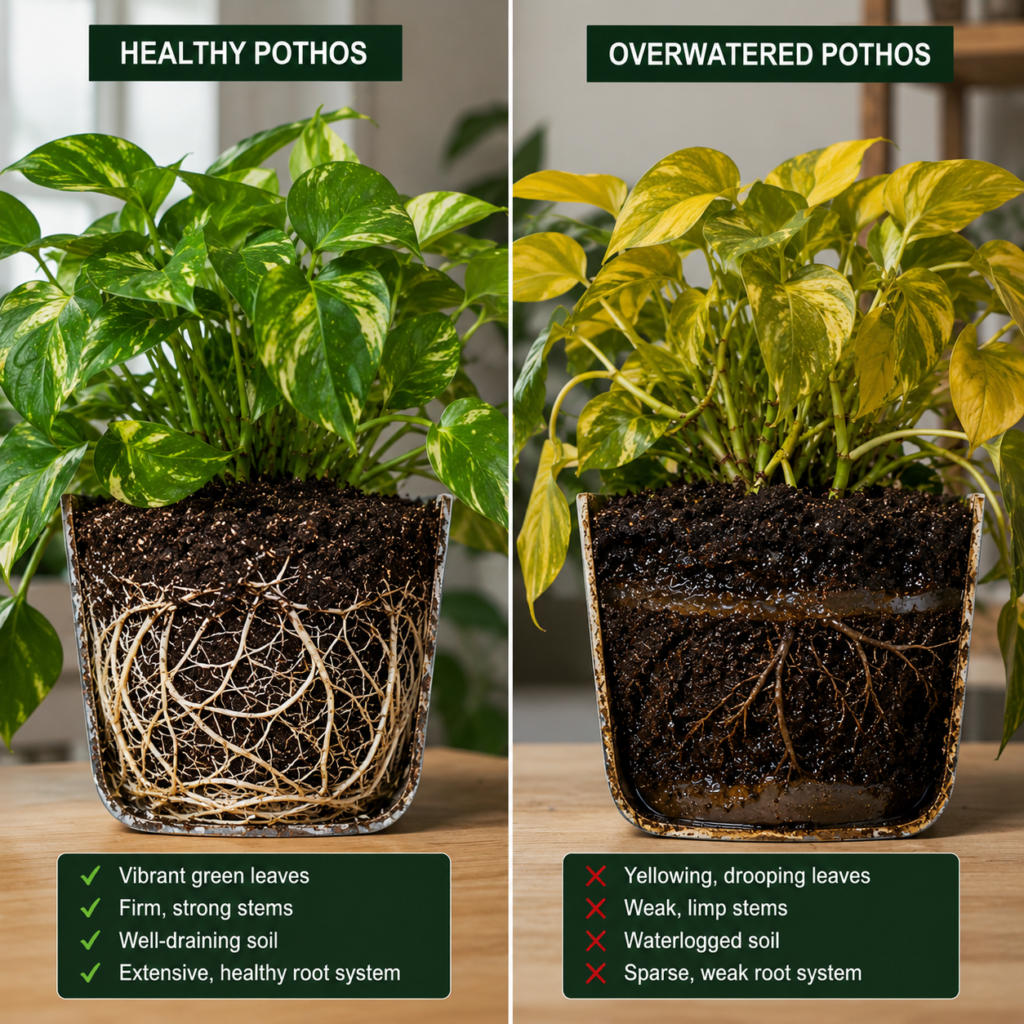
Mini Case Study: Healthy vs Overwatered Pothos
Two similar pothos plants were grown under the same lighting conditions. One was watered only when the soil partially dried, while the other remained in consistently moist soil for several weeks.
Observations:
- Yellowing leaves on the overwatered plant
- Slower growth development
- Consistently wet soil
- Reduced root vigor
- Healthy growth on the properly watered plant
- Stronger leaf coloration
- Better root development
- Continued production of new leaves
Corrective Actions:
- Removed damaged roots
- Repotted into fresh soil
- Improved drainage
- Adjusted watering frequency
Within three weeks, the recovering pothos produced healthy new growth and yellowing stopped. The properly watered plant continued growing consistently, demonstrating the importance of balanced watering and good drainage.
FAQs
What is the biggest sign of a healthy plant?
Consistent new growth is one of the strongest signs of plant health. Healthy plants regularly produce leaves, stems, roots, or shoots while maintaining good color and structure.
How can I tell if my plant is healthy?
Healthy plants have vibrant foliage, firm stems, healthy roots, and steady growth. They also show few signs of pests, disease, or environmental stress.
Are yellow leaves always a sign of a problem?
No. Older leaves naturally yellow and fall off as part of normal growth. However, widespread yellowing often indicates stress or care issues.
What color should healthy roots be?
Healthy roots are usually white, cream-colored, or light tan. They should feel firm and have no foul odor.
Can a plant look healthy but still have problems?
Yes. Issues such as early root rot, nutrient deficiencies, or pest infestations may develop before obvious symptoms appear.
Does a healthy plant always grow quickly?
No. Growth rates vary by species, season, age, and growing conditions. Some healthy plants naturally grow slowly.
Can a healthy plant lose leaves?
Yes. Plants often shed older leaves as they grow. Occasional leaf loss is normal and not always a sign of poor health.
Does flowering mean a plant is healthy?
Not necessarily. Many healthy houseplants rarely flower indoors. Consistent growth and healthy foliage are usually better indicators.
What does an unhealthy plant smell like?
Unhealthy plants may produce sour, musty, or rotten odors. These smells often indicate root rot or overly wet soil.
How long does it take for a stressed plant to recover?
Recovery depends on the cause and severity of the problem. Minor stress may improve within days, while serious issues can take weeks or months.
Can a plant recover from root rot?
Many plants can recover if root rot is caught early. Removing damaged roots and improving drainage greatly improve recovery chances.
How often should I check my plants for health problems?
A quick inspection once a week is usually enough. Regular checks help catch pests, diseases, and watering issues before they become serious.
Myra is the founder and lead writer of Plantsaholic. She shares practical, research-backed advice on indoor plants, outdoor gardening, flowers, herbs, succulents, and everyday plant care. Her goal is to help gardeners of all experience levels grow healthier plants through simple, easy-to-follow gardening guides.