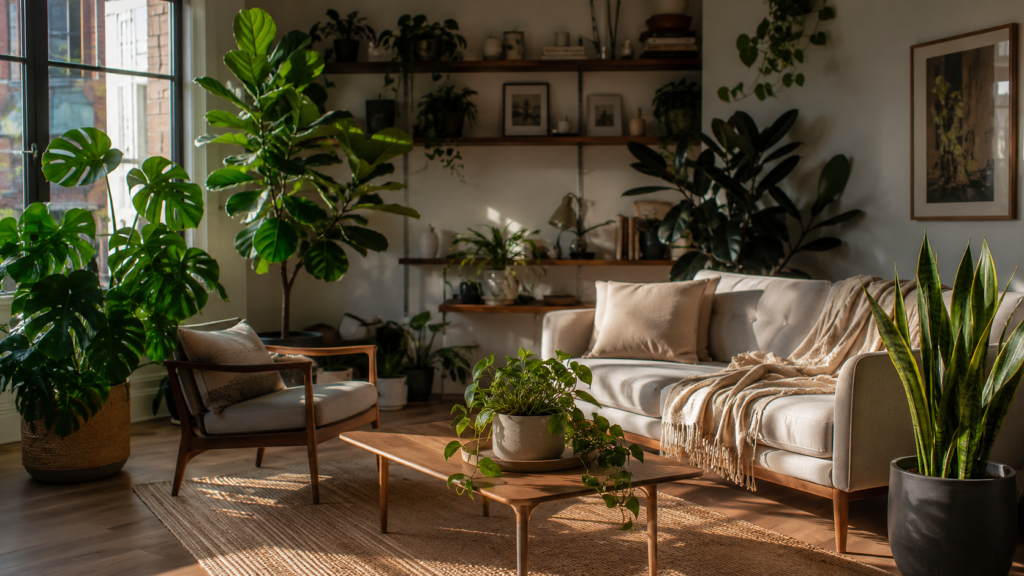
Indoor plants can completely transform a living room by adding texture, color, depth, and a more natural atmosphere. The best indoor plants for living room decor combine attractive foliage, manageable care needs, adaptability to indoor conditions, and compatibility with modern interior styles. Plants like Monstera Deliciosa, Snake Plant, ZZ Plant, and Fiddle Leaf Fig are especially popular because they work well in apartments, family homes, minimalist interiors, and luxury living spaces alike.
Whether you want a dramatic statement plant, a low-maintenance beginner option, or greenery that fits small living rooms, choosing the right indoor plants can make a space feel warmer, healthier, and visually complete.
Why Are Indoor Plants So Popular in Living Room Decor?
Indoor plants have become one of the strongest modern interior design trends because they add natural texture, soften artificial spaces, and make living rooms feel more comfortable psychologically. Most modern homes contain flat surfaces, electronics, neutral colors, and structured furniture lines. Plants break that visual rigidity and create a more balanced environment.
Beyond aesthetics, many homeowners associate indoor plants with wellness and emotional comfort. Greenery helps indoor environments feel calmer and less artificial, especially in apartments surrounded by concrete, screens, and limited outdoor access.
Why indoor plants improve living room decor:
- Add natural color variation
- Create visual warmth
- Improve room depth and layering
- Help large spaces feel less empty
- Complement neutral furniture palettes
- Support modern and minimalist interiors
- Create stronger luxury aesthetics affordably
One important insight many homeowners overlook is scale. Small decorative plants work well on shelves and coffee tables, but larger living rooms often benefit more from statement plants with stronger visual presence. Choosing the correct plant size is just as important as choosing the plant species itself.
Which Indoor Plants Work Best for Living Room Decor?
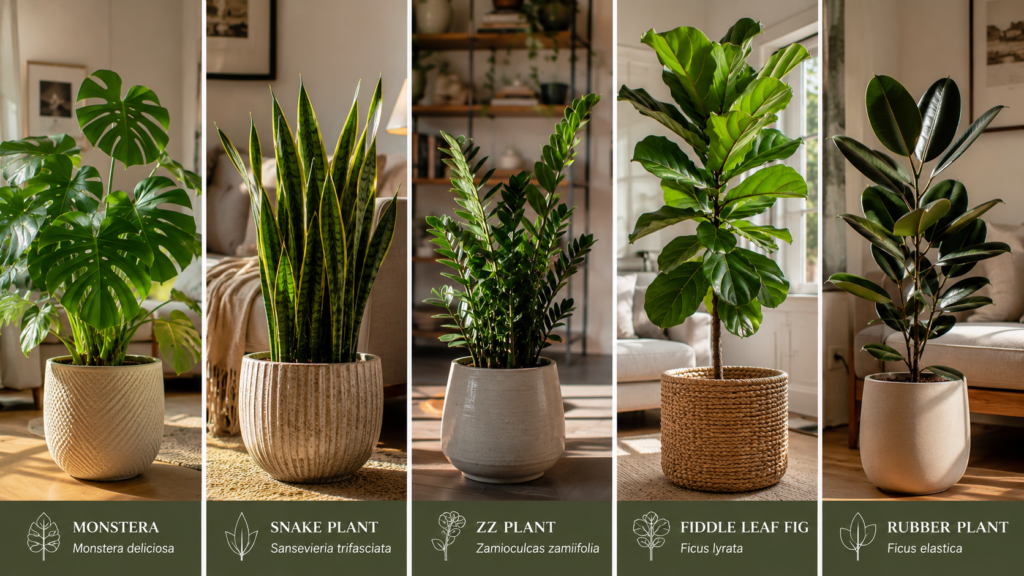
The best indoor plants for living room decor combine visual impact, manageable care requirements, and adaptability to indoor conditions. Some plants look beautiful in nurseries but struggle inside typical homes because of inconsistent humidity, limited sunlight, or indoor heating systems.
Plants with strong foliage structure and indoor adaptability usually perform best long term. Another important consideration is maintenance compatibility. Many homeowners purchase tropical plants requiring constant humidity and bright light, only to struggle maintaining them long term. Realistically, lower-maintenance plants usually create better living room decor because healthy plants always look more attractive than demanding species in poor condition.
Best indoor plants for most living rooms:
- Monstera Deliciosa
- Snake Plant
- ZZ Plant
- Rubber Plant
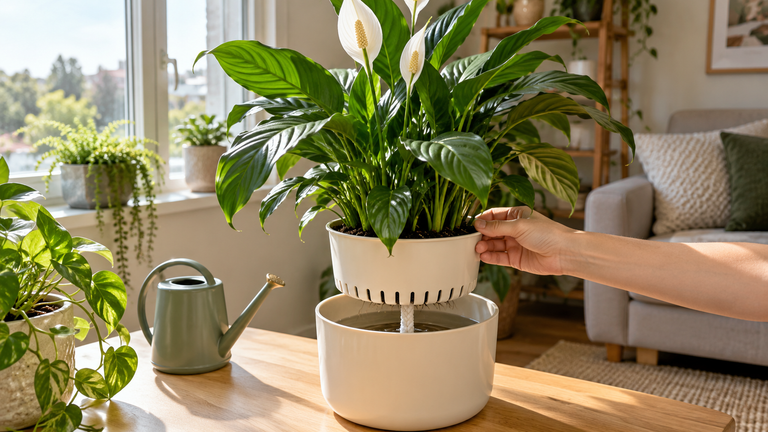
- Peace Lily
- Pothos
One overlooked detail is how foliage texture affects room aesthetics. Plants with oversized tropical leaves create softness and drama, while narrow upright plants contribute cleaner minimalist structure. Choosing plants based on visual texture can dramatically improve interior cohesion.
Best Indoor Plants for Different Living Room Conditions
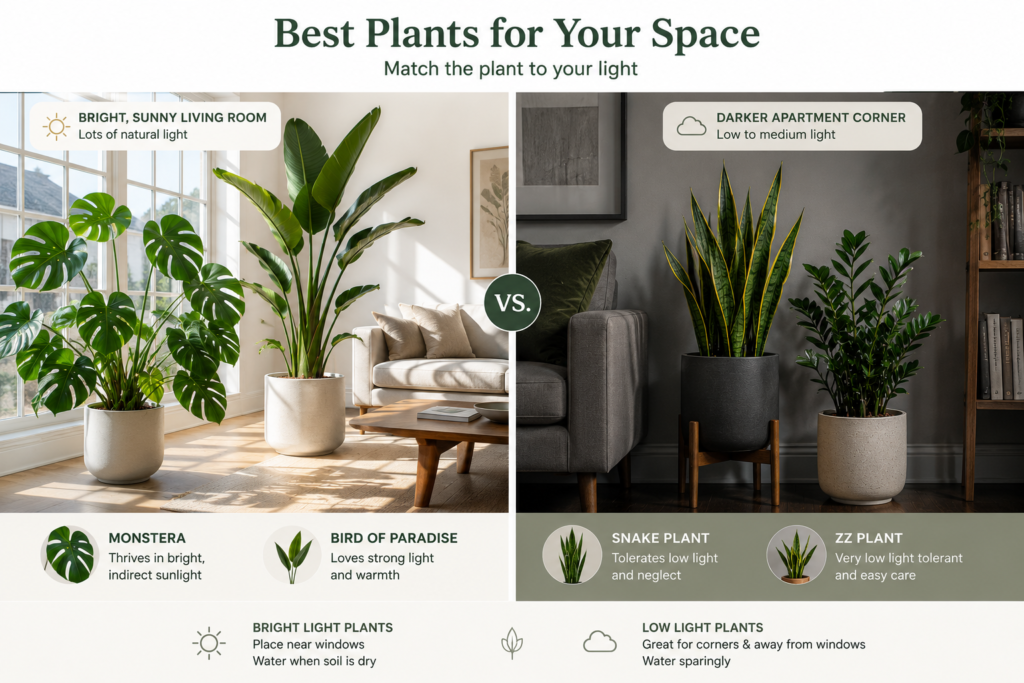
Lighting, airflow, humidity, and room size strongly affect which indoor plants thrive long term. A bright open-concept living room with large windows behaves completely differently from a darker apartment corner exposed to constant air conditioning. Choosing plants based on environmental compatibility dramatically improves long-term success and reduces maintenance frustration.
Best plants for different living room conditions:
| Room Condition | Best Indoor Plants |
| Low-light apartments | ZZ Plant, Snake Plant |
| Sunny living rooms | Monstera, Bird of Paradise |
| Dry AC-heavy homes | Snake Plant, Rubber Plant |
| Humid environments | Peace Lily, Monstera |
| Pet-friendly homes | Spider Plant, Areca Palm |
| Small condos | Pothos, Peperomia |
| Busy households | ZZ Plant, Snake Plant |
One overlooked insight is that plants adapted to your environment usually look healthier with less effort. A thriving low-maintenance plant almost always creates better living room decor than a demanding tropical species constantly struggling to survive indoors.
Best Low-Light Indoor Plants for Living Rooms
Many living rooms do not receive strong natural sunlight throughout the day. Apartments, shaded homes, and north-facing rooms often struggle with limited lighting conditions that can weaken sensitive plant species. Low-light indoor plants are important because they survive more consistently in realistic indoor environments without requiring constant repositioning near windows.
Plants like ZZ Plant and Snake Plant perform especially well because they naturally evolved beneath tropical forest canopies where direct sunlight exposure was limited. Their slower metabolic processes allow them to tolerate indirect light far better than flowering or sun-demanding species. Low-light plants are especially practical for apartments and shaded interiors. Even low-light plants still need ambient daylight.
Best low-light indoor plants:
- ZZ Plant
- Snake Plant
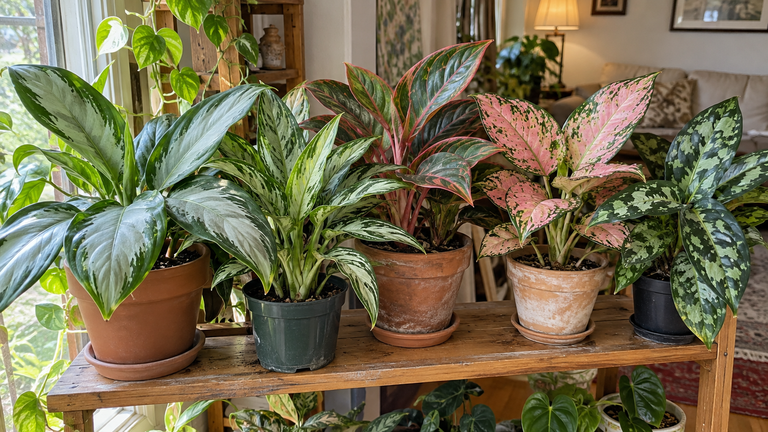
- Chinese Evergreen
- Pothos
- Peace Lily
Signs your living room lighting is too weak:
- Yellowing leaves
- Slow growth
- Leggy stems
- Leaning toward windows
- Smaller new foliage
A common mistake is placing low-light plants too far from windows because homeowners assume they “like darkness.” In reality, most low-light plants still perform best near indirect daylight sources rather than deep interior corners.
Where Not to Place Indoor Plants in a Living Room
Poor placement is one of the most common reasons indoor plants decline. Plants placed directly beside heating vents or air conditioners often develop dry leaf edges, drooping foliage, or inconsistent growth because constant airflow removes moisture from both the leaves and soil. Similarly, extremely dark corners may look visually attractive for styling purposes, but many plants slowly weaken there over time due to insufficient light exposure.
Areas where indoor plants commonly struggle:
- Directly under AC vents
- Beside radiators or heaters
- Extremely dark corners
- High-traffic walkways
- Against freezing winter windows
- Beside constantly opening doors
A deeper styling principle is that healthy placement creates better decor automatically. Plants positioned correctly grow fuller, maintain stronger foliage color, and contribute more effectively to the room’s overall visual atmosphere.
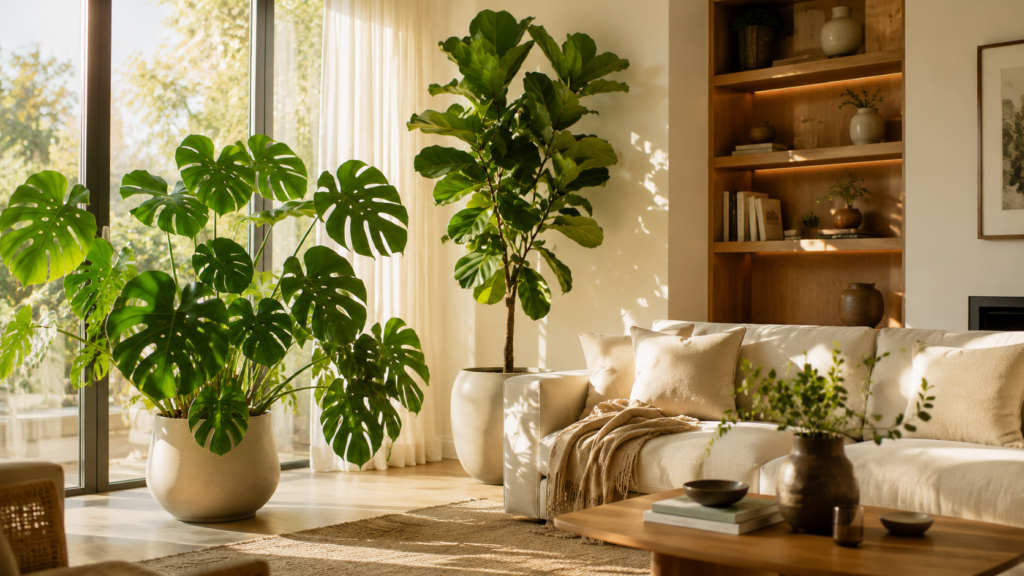
Best Large Indoor Plants for Statement Decor
Large indoor plants function as architectural design elements inside living rooms. They anchor empty corners, soften oversized spaces, and create natural focal points without requiring wall renovations or expensive decorative installations. In many modern interiors, statement plants replace traditional decorative objects because they add both visual impact and living texture simultaneously.
Plants like Fiddle Leaf Fig and Bird of Paradise are especially popular because of their oversized foliage and strong vertical growth. Their scale helps balance large furniture pieces like sectionals, media walls, and oversized windows.
One oversized healthy plant usually looks more luxurious than several competing plants. Another important factor is mature growth size. Many homeowners underestimate how large certain plants eventually become indoors. Plants that appear manageable in stores can eventually dominate smaller apartments if mature dimensions are ignored during purchasing.
Best statement indoor plants:
- Fiddle Leaf Fig
- Areca Palm
- Rubber Plant
- Bird of Paradise
- Monstera Deliciosa
Best placement areas for large plants:
- Empty corners
- Beside sofas
- Near large windows
One deeper styling principle involves ceiling height. Tall plants naturally draw the eye upward, making living rooms feel larger and more open. This is especially useful in apartments with lower furniture profiles and neutral wall palettes.
Best Indoor Plants for Small Living Rooms
Small living rooms require a more strategic approach to indoor plant styling because oversized foliage can quickly overwhelm limited floor space. The best plants for compact spaces are usually species with controlled growth habits, narrow structures, or trailing forms that utilize vertical space efficiently instead of occupying major walking areas.
Plants like Snake Plant work particularly well because their upright structure adds height without spreading horizontally. Similarly, trailing plants such as Pothos soften shelving systems and entertainment centers without consuming floor area.
Best plants for small living rooms:
- Spider Plant
- Pothos
- Snake Plant
- Peperomia
- ZZ Plant
Small-space plant styling tips:
- Use wall-mounted shelves
- Prioritize vertical growth plants
- Keep pathways visually open
- Use mirrors to reflect greenery
- Avoid excessive plant density
A practical insight many people overlook is that fewer plants often look better in smaller rooms. Carefully spaced greenery creates a cleaner and more sophisticated appearance than trying to fill every empty surface with pots.
How Indoor Plants Improve Interior Design
Indoor plants are one of the few decorative elements capable of adapting across nearly every interior design style. Their shape, color, texture, and growth habits allow them to reinforce different aesthetics without requiring major structural changes to a room.
Minimalist interiors often benefit from plants with strong architectural structure and clean vertical lines. Species like Snake Plant and Rubber Plant fit minimalist spaces because they maintain controlled silhouettes and avoid excessive visual chaos. Their simplicity complements neutral palettes and uncluttered layouts. Boho interiors usually pair well with layered tropical foliage like monstera and pothos
Best plants for different design styles:
| Style | Recommended Plants |
| Minimalist | Snake Plant, Rubber Plant |
| Boho | Monstera, Pothos |
| Scandinavian | ZZ Plant, Peace Lily |
| Luxury modern | Fiddle Leaf Fig |
| Tropical | Areca Palm |
Why plants improve interior aesthetics:
- Add organic contrast
- Break rigid furniture lines
- Create natural texture variation
- Improve visual layering
- Soften sterile environments
A deeper design insight is that plants function similarly to living sculptures. Their shadows, movement, and growth create dynamic visual changes over time, making interiors feel less static and artificial.
Do Air-Purifying Indoor Plants Work?
Some indoor plants may modestly support indoor freshness, although many online air-purifying claims are exaggerated.
That said, indoor plants still provide meaningful environmental and psychological benefits. Species like Peace Lily, Spider Plant, and Snake Plant are commonly associated with cleaner-feeling indoor environments because they contribute humidity balance and soften sterile interior conditions visually.
Commonly recommended air-purifying plants:
- Peace Lily
- Spider Plant
- Snake Plant
- Areca Palm
Realistic benefits of indoor plants:
- Improved emotional comfort
- Better humidity balance
- Reduced visual stress
- More inviting interiors
- Stronger connection to nature
A valuable insight for homeowners is that healthy plants matter more than trendy “air-purifying” marketing labels. Poorly maintained plants with yellowing leaves rarely improve either aesthetics or indoor atmosphere.
Best Beginner-Friendly Indoor Plants
Beginners should prioritize resilient plants over highly sensitive decorative species.
Top beginner-friendly plants
Pothos
Fast-growing and forgiving.
Snake Plant
Extremely resilient and drought tolerant.
Spider Plant
Easy to propagate and adaptable.
ZZ Plant
One of the most durable indoor plants available.
Beginner mistakes to avoid:
- Watering on a strict schedule instead of checking soil
- Choosing plants only for appearance
- Ignoring drainage
- Using oversized pots
- Placing plants beside heating vents
Living Room Plant Maintenance Guide
Indoor plants are often marketed as effortless decor, but every plant still requires some level of ongoing maintenance. The key difference is that low-maintenance plants require simple consistency rather than constant attention. Setting realistic expectations early helps homeowners avoid frustration and improves long-term plant survival.
Large-leaf plants benefit from occasional cleaning because indoor dust affects both appearance and light absorption.
Realistic indoor plant maintenance tasks:
- Rotate plants every few weeks
- Remove dead leaves regularly
- Clean foliage monthly
- Monitor soil moisture
- Repot every 1–3 years
- Watch for occasional pests
Common realities beginners should expect:
- Some yellow leaves are normal
- Growth slows during winter
- Dust buildup affects appearance
One important insight is that healthy plants usually develop gradually rather than instantly. Social media often showcases fully mature indoor plants, but real indoor plant growth typically happens slowly over months and years inside normal household conditions.
How Important Is Lighting for Living Room Plants?
Lighting is the single most important factor affecting indoor plant survival.
Best plants for bright indirect light:
- Monstera Deliciosa
- Fiddle Leaf Fig
- Bird of Paradise
Best plants for lower light:
- ZZ Plant
- Snake Plant
Understanding natural light conditions before purchasing plants prevents most indoor plant failures.
How Seasons Affect Indoor Plants
Seasonal changes strongly affect indoor plants even when they remain inside year-round. Indoor conditions shift seasonally because daylight, humidity, and heating systems change throughout the year.
Winter is usually the most difficult season for indoor plants because daylight hours become shorter while indoor heating systems dry the air significantly. Plants that thrive during summer may suddenly stop growing, develop brown edges, or require much less water during colder months. Overwatering during winter is one of the most common causes of indoor plant decline.
Common seasonal indoor plant changes:
- Slower winter growth
- Increased summer watering needs
- Dry air from indoor heating
Seasonal care adjustments:
- Reduce winter watering frequency
- Increase humidity during heating season
- Rotate plants for balanced light exposure
- Watch for sunburn during summer
- Clean leaves more often during dry months
A deeper insight many beginners miss is that plants naturally operate in cycles. Temporary slow growth during winter does not necessarily indicate poor health. Understanding seasonal rhythms helps homeowners avoid unnecessary overcorrection that often creates more plant stress.
How Often Should Indoor Plants Be Watered?
Overwatering is the most common cause of indoor plant death.
Most indoor plants prefer partial soil drying between waterings. Constantly wet soil reduces oxygen around roots and encourages fungal problems.
General watering frequency:
| Plant | Watering Need |
| Snake Plant | Low |
| ZZ Plant | Very low |
| Monstera | Moderate |
| Peace Lily | Moderate |
| Pothos | Moderate |
| Fiddle Leaf Fig | Moderate |
Common Indoor Plant Problems
Indoor plants often decline gradually before major symptoms become obvious.
Common plant problems
Root rot
Usually caused by:
- Overwatering
- Poor drainage
- Oversized pots
Symptoms:
- Mushy stems
- Bad odor
- Yellow leaves
Brown leaf edges
Common causes:
- Dry indoor air
- Underwatering
- Excess fertilizer
Drooping leaves
Possible causes:
- Water stress
- Sudden temperature changes
- Poor lighting
Fungus gnats
Typically associated with:
- Wet soil
- Poor airflow
- Organic buildup
Best Pet-Friendly Indoor Plants
Many decorative houseplants are toxic to cats and dogs.
Safer indoor plants:
- Spider Plant
- Areca Palm
- Calathea
Potentially toxic plants include:
- Peace Lily
- Monstera
- ZZ Plant
Pet owners should always verify toxicity information before bringing new plants indoors.
Best Indoor Plants for a Luxurious Living Room
Luxury interiors usually prioritize scale, structure, and healthy foliage quality.
Most luxurious-looking indoor plants:
- Fiddle Leaf Fig
- Bird of Paradise
- Rubber Plant
- Monstera Deliciosa
Luxury styling principles:
- fewer larger plants
- premium planters
- healthy foliage
Well-maintained plants almost always look more luxurious than rare plants in poor condition.
Indoor Plant Comparison Table
| Plant | Light | Difficulty | Size | Best For |
| Snake Plant | Low–Medium | Easy | Medium | Beginners |
| ZZ Plant | Low | Easy | Medium | Apartments |
| Monstera | Bright indirect | Moderate | Large | Statement decor |
| Fiddle Leaf Fig | Bright indirect | Moderate | Large | Luxury interiors |
| Pothos | Low–Medium | Easy | Trailing | Shelves |
| Peace Lily | Medium | Moderate | Medium | Decorative softness |
| Spider Plant | Medium | Easy | Small | Pet-friendly homes |
Best Indoor Plants for Different Decor Goals
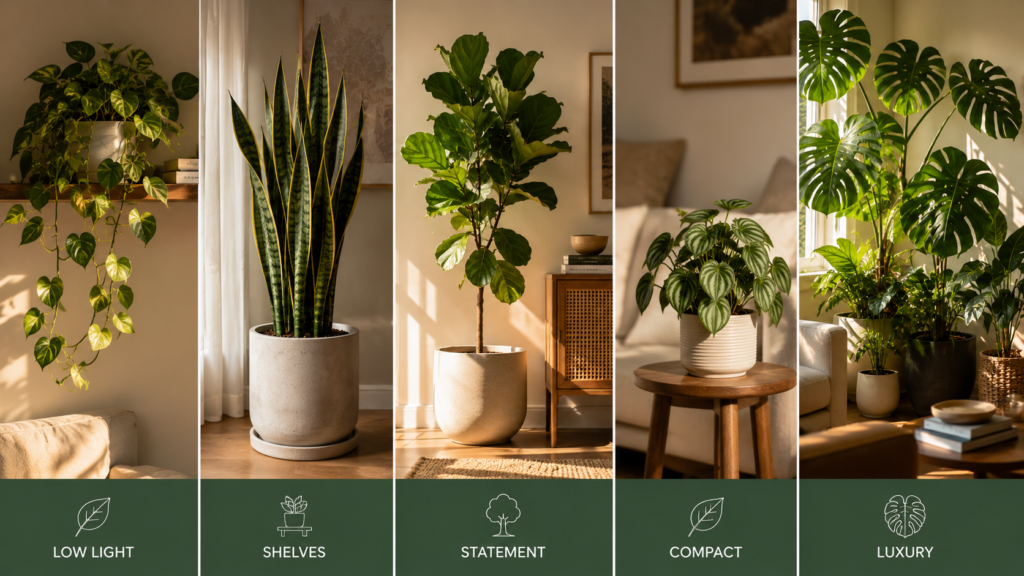
Different indoor plants solve different decorative problems inside a living room. Some create strong architectural presence, while others soften shelves, brighten dark corners, or improve minimalist interiors. Choosing plants based on specific visual goals creates more intentional and professionally styled living spaces.
Large statement plants work best when the goal is filling visual emptiness or balancing oversized furniture. Meanwhile, trailing plants are more effective for softening shelving systems and adding movement. Compact upright plants help small living rooms feel cleaner because they maintain structure without creating clutter.
Best indoor plants by decor goal:
| Goal | Best Plant |
| Lowest maintenance | ZZ Plant |
| Best statement plant | Fiddle Leaf Fig |
| Best for low light | Snake Plant |
| Best for shelves | Pothos |
| Best for pet homes | Spider Plant |
| Best for modern decor | Rubber Plant |
| Best tropical appearance | Monstera |
| Best compact plant | Peperomia |
Decorative styling strategies:
- Use tall plants for ceiling emphasis
- Use trailing plants for shelf softness
- Combine foliage textures carefully
- Avoid overcrowding small spaces
- Match planter color to furniture palette
A deeper visual psychology insight is that plants influence how spacious a room feels. Vertical plants draw the eye upward, broad leaves soften sharp furniture edges, and layered greenery creates stronger depth perception throughout the room.
Best Indoor Plants for Different Lifestyles
Lifestyle patterns strongly affect which indoor plants remain healthy long term. For example, households with unpredictable schedules usually perform better with drought-tolerant plants like ZZ Plant because missed watering sessions rarely cause immediate damage. Families with children or pets may prioritize safer plants with softer foliage and lower toxicity risks. Renters often benefit from compact plants that relocate easily during moves.
Best plants by lifestyle type:
| Lifestyle | Recommended Plants |
| Busy professionals | ZZ Plant, Snake Plant |
| Families with children | Spider Plant, Areca Palm |
| Pet owners | Calathea, Spider Plant |
| Frequent travelers | Snake Plant, ZZ Plant |
| Small apartment renters | Pothos, Peperomia |
| Luxury interior lovers | Fiddle Leaf Fig, Monstera |
Lifestyle compatibility factors:
- Time available for care
- Travel frequency
- Pet safety concerns
- Available sunlight
- Room size limitations
- Cleaning preferences
One overlooked reality is that “easy” plants are usually the best decorative plants long term because consistent healthy growth always looks more attractive than demanding species struggling inside unsuitable environments.
faq SECTION
What is the best indoor plant for living room decor overall?
Monstera Deliciosa is one of the best overall choices because it combines bold decorative foliage with manageable indoor care. It works especially well in modern and bright living rooms.
Which indoor plants survive best in low-light living rooms?
ZZ Plant, Snake Plant, and Pothos tolerate low-light indoor conditions better than most decorative houseplants.
Which indoor plants are easiest for beginners?
Snake Plant and ZZ Plant are beginner-friendly because they survive irregular watering and adapt well to indoor environments.
What large indoor plants make living rooms look luxurious?
Fiddle Leaf Fig and Bird of Paradise create a luxury appearance because of their oversized foliage and strong vertical structure.
How often should indoor living room plants be watered?
Most indoor plants should only be watered when the upper soil layer begins drying. Overwatering is far more common than underwatering indoors.
Which indoor plants are safest for pets?
Spider Plant and Areca Palm are commonly considered safer choices for pet-friendly homes.
Where should indoor plants be placed in a living room?
Indoor plants usually perform best near bright indirect light and away from heating vents or strong AC airflow. Large plants work especially well in corners and beside sofas.
Which indoor plants need the least maintenance?
ZZ Plant and Snake Plant require very little watering and tolerate indoor conditions extremely well.
Which indoor plants work best in modern living rooms?
Structured plants like Snake Plant and Rubber Plant complement modern interiors because of their clean architectural shapes.
Why do indoor plants get yellow leaves indoors?
Yellow leaves are commonly caused by overwatering, weak lighting, poor drainage, or seasonal stress inside indoor environments.
What indoor plants are best for apartments?
Pothos, ZZ Plant, and Snake Plant work especially well in apartments because they tolerate compact indoor spaces.
Which indoor plants grow fastest indoors?
Pothos and Monstera Deliciosa are among the fastest-growing decorative indoor plants under bright indirect light.
Myra is the founder and lead writer of Plantsaholic. She shares practical, research-backed advice on indoor plants, outdoor gardening, flowers, herbs, succulents, and everyday plant care. Her goal is to help gardeners of all experience levels grow healthier plants through simple, easy-to-follow gardening guides.