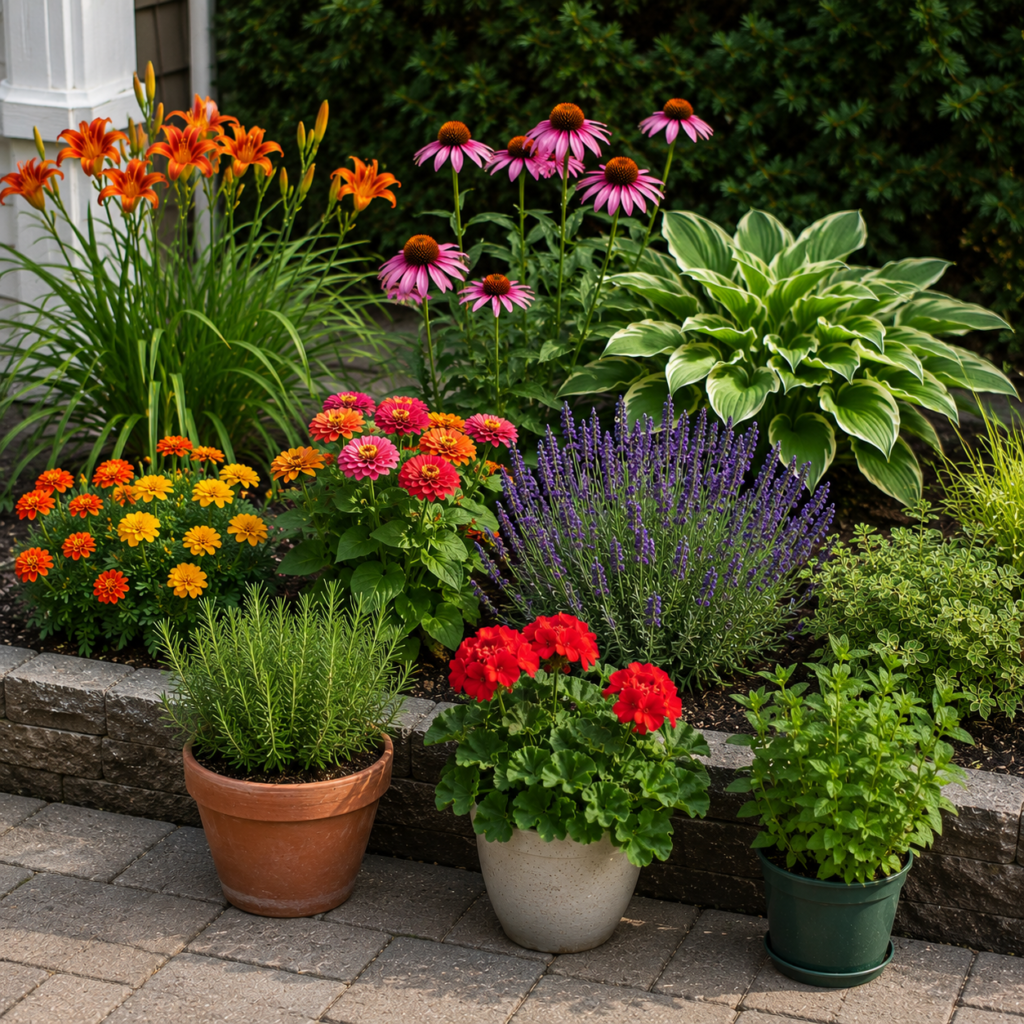
The best outdoor plants for beginners are low-maintenance flowers, herbs, perennials, shrubs, and foliage plants that tolerate common mistakes. Good choices include marigolds, zinnias, lavender, hostas, sedum, rosemary, geraniums, daylilies, and coneflowers because they are easy to grow and widely available.
Starting an outdoor garden becomes much easier when you choose plants that match your sunlight, climate, and maintenance level. Beginner-friendly plants should be reliable, adaptable, and able to handle occasional watering or care mistakes.
This guide from plantsaholic covers the best outdoor plants for beginners, including options for pots, full sun, shade, herbs, perennials, and low-maintenance gardens. You’ll also learn how to keep plants alive, avoid common mistakes, and build a simple beginner-friendly outdoor plant setup.
plantsaholic Starter Rule: Start with 5–7 plants, match them to your sunlight conditions, mix flowers and herbs with a few long-term perennials, and avoid difficult plants until you understand your space.
Use this simple plantsaholic starter rule:
- Start with 5 to 7 plants, not 20.
- Choose plants for your real sunlight.
- Mix flowers, herbs, foliage, and perennials.
- Use at least one container plant for flexibility.
- Avoid difficult plants until you understand your space.
- Keep notes on what survives, blooms, wilts, or dries out.
Best Outdoor Plants for Beginners
The best outdoor plants for beginners are plants that grow well without constant attention, recover from small mistakes, and clearly show when they need water, sun, or space. Beginner-friendly plants should be easy to find, simple to plant, and forgiving after planting. They should not require exact soil chemistry, daily watering, complicated pruning, or special pest control. Plants like marigolds, zinnias, lavender, hostas, rosemary, sedum, daylilies, and coneflowers are popular because they perform well in many ordinary gardens.
A good beginner garden should include different plant roles. Flowers add color. Herbs add practical use. Perennials add long-term value. Foliage plants fill empty spaces. Container plants make patios, balconies, and small gardens easier to manage. This mix prevents the garden from depending on only one plant type. For example, if summer flowers fade, foliage plants still keep the space attractive. If an annual dies at the end of the season, perennials can still return next year.
| Plant | Best Use | Sun Need | Beginner Benefit |
| Marigold | Flower beds, borders, pots | Full sun | Fast color and easy growth |
| Zinnia | Summer flowers | Full sun | Bright blooms and quick results |
| Lavender | Dry sunny spaces | Full sun | Fragrant and low maintenance |
| Hosta | Shade beds | Partial shade to shade | Reliable foliage |
| Sedum | Dry borders and pots | Full sun | Drought tolerant |
| Rosemary | Herb pots | Full sun | Useful and tough |
| Mint | Herb containers | Sun to part shade | Very easy, but best in pots |
| Geranium | Patio containers | Full sun to part sun | Long-lasting color |
| Daylily | Garden beds | Full sun to part sun | Comes back every year |
| Coneflower | Pollinator gardens | Full sun | Hardy and long-blooming |
Easiest Outdoor Flowers for Beginners
The easiest outdoor flowers for beginners are marigolds, zinnias, petunias, geraniums, pansies, calendula, begonias, and impatiens because they grow quickly and give visible color without complicated care. Flowers are often the best starting point for new gardeners because they create quick satisfaction. When a beginner sees blooms within a few weeks, gardening feels rewarding instead of stressful. The key is choosing flowers that match your sunlight and container size.
Marigolds are one of the easiest outdoor flowers for beginners. They love full sun, grow quickly, and work well in garden beds, borders, and pots. Zinnias are excellent for summer color because they grow fast from seed or nursery plants and produce bold flowers in many colors. Petunias are great for pots, hanging baskets, and patio containers. Geraniums are classic beginner container plants because they bloom for a long time and keep a tidy shape with basic care.
| Flower | Best Location | Main Benefit |
| Marigold | Full sun beds and pots | Very easy and colorful |
| Zinnia | Sunny garden beds | Fast summer flowers |
| Petunia | Pots and baskets | Long bloom season |
| Geranium | Patio containers | Reliable color |
| Pansy | Cool-season pots | Spring and fall color |
| Calendula | Beds and borders | Pollinator-friendly |
| Begonia | Shade pots | Color in low light |
| Impatiens | Shade beds | Bright shade flowers |
Beginners should choose flowers based on where they will grow. Pansies are best for cool seasons, while zinnias and marigolds perform better in warm sunny months. Begonias and impatiens are better for shaded patios, porches, and garden corners. This decision matters because a full-sun flower in shade may produce fewer blooms, while a shade flower in hot afternoon sun may wilt or burn.
Best Perennials for Beginners
The best perennials for new gardeners are lavender, coneflower, daylily, salvia, black-eyed Susan, sedum, hosta, and coreopsis because they can return year after year with basic care. Perennials are valuable because they reduce the need to replant every season. Annual flowers usually live for one growing season, while perennials can come back for multiple years when matched to the right climate. This makes them a smart investment for beginners who want a garden that improves over time.
Daylilies are among the easiest perennials because they tolerate many soil types, return reliably, and produce colorful blooms. Coneflowers are strong beginner perennials for sunny spaces. Lavender is excellent for dry, sunny locations as long as the soil drains well. Salvia brings upright flower spikes and pollinator value. Black-eyed Susan creates a bright, natural look. Sedum is ideal for low-water gardens. Hostas are perfect for shade, and coreopsis gives cheerful long-lasting flowers.
The biggest beginner mistake with perennials is expecting them to look perfect immediately. Many perennials spend their first season building roots. They often become stronger and fuller in the second and third year. This is why perennials are best for gardeners who want long-term results.
For real-world planning, use perennials as the “bones” of the garden and annuals as the seasonal decoration. This gives beginners a stable base without sacrificing quick color.
Best Outdoor Plants for Pots
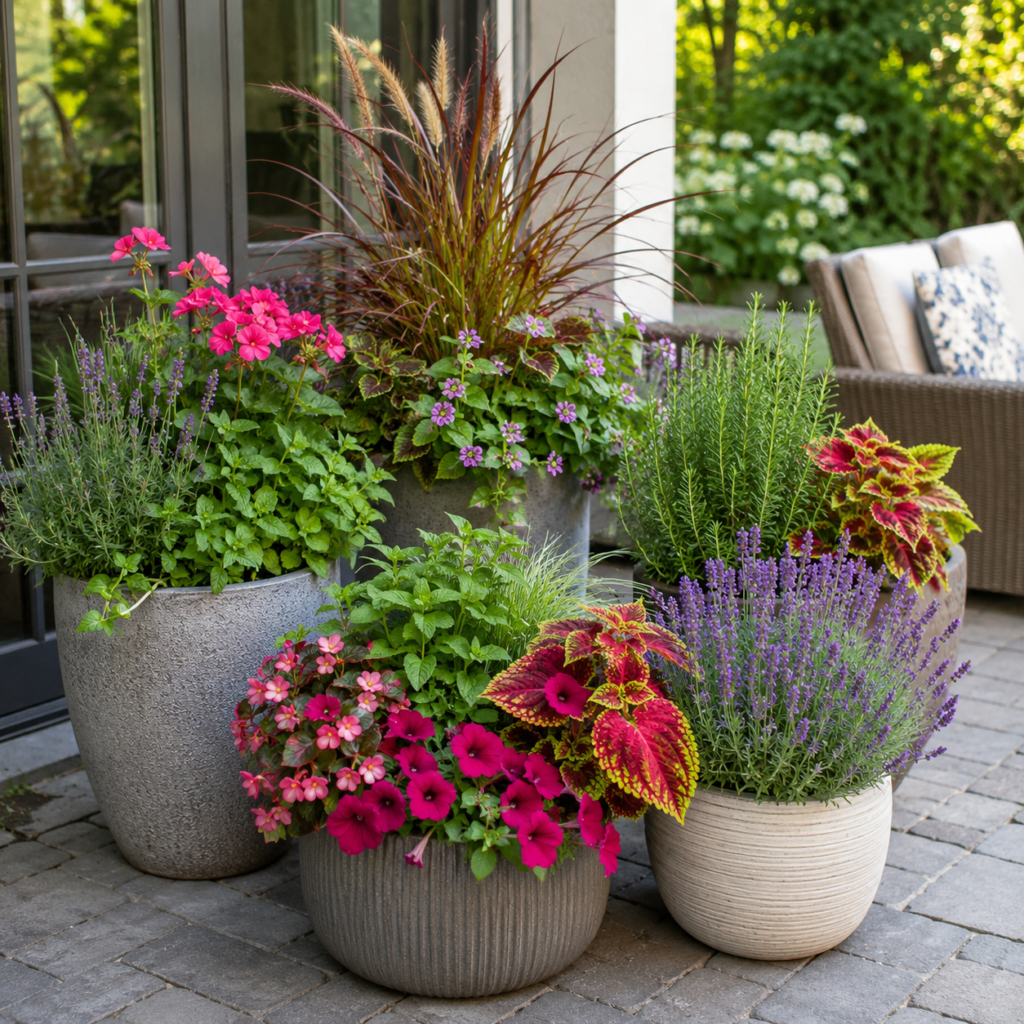
The best outdoor plants for pots are geraniums, petunias, begonias, lavender, rosemary, coleus, lantana, impatiens, dwarf hydrangeas, and ornamental grasses because they stay manageable and grow well in containers. Container gardening is one of the easiest ways for beginners to start outdoor planting. Pots let you control soil, drainage, spacing, and placement better than open garden beds. They are perfect for patios, balconies, porches, rental homes, small gardens, and entryways.
The most important rule for outdoor pots is drainage. Every outdoor pot should have drainage holes. Without drainage, water can collect at the bottom and cause root rot. Beginners often overwater plants in pots because the top of the soil looks dry while the bottom remains wet. Containers also dry faster than garden beds in hot weather, so the best pot plants should be easy to check, easy to water, and not too sensitive.
For beginner pots, use this simple formula:
| Pot Role | Plant Type | Example |
| Tall plant | Upright structure | Ornamental grass |
| Color plant | Flowering annual | Geranium or petunia |
| Filler plant | Rounded growth | Begonia or coleus |
| Useful plant | Herb | Rosemary or mint |
| Trailing plant | Soft edge | Trailing petunia or creeping thyme |
Do not overcrowd pots. Small nursery plants grow larger after planting. Leave space for airflow and root growth. A crowded pot may look full on the first day but become stressed later.
- Use larger pots for thirsty plants.
- Use terracotta for plants that like drier soil.
- Use plastic or glazed pots for plants that need more moisture.
- Keep mint in its own pot because it spreads aggressively.
- Check container soil more often during hot weather.
What Pot Size Do Beginner Outdoor Plants Need?
| Plant Type | Recommended Pot Size |
|---|---|
| Small Herbs | 8–12 inches |
| Mint | 10–12 inches |
| Geraniums | 10–12 inches |
| Petunias | 10–14 inches |
| Lavender | 12–16 inches |
| Rosemary | 12–18 inches |
| Ornamental Grasses | 14–18 inches |
| Dwarf Shrubs | 16–24 inches |
Which Outdoor Plants Are Best for Full Sun? Best Outdoor Plants for Full Sun
The best outdoor plants for full sun are marigolds, zinnias, lavender, salvia, coneflowers, lantana, rosemary, sedum, black-eyed Susan, and coreopsis because they can handle bright direct light. Full sun usually means at least six hours of direct sunlight per day. Some sunny gardens receive gentle morning sun, while others receive hot afternoon sun. This difference matters because afternoon sun is stronger and can dry soil faster, especially in pots.
Lavender is one of the best full-sun plants for beginners because it loves bright light and well-drained soil. Marigolds are simple, colorful, and reliable in sunny beds. Zinnias thrive in summer sun and provide bold flowers. Salvia brings upright blooms and pollinator value. Coneflowers handle heat and sun well once established. Lantana is strong in hot, sunny containers. Rosemary grows best in full sun and drainage. Sedum handles dry conditions better than many common garden plants.
Full-sun beginner tip: water new plants regularly until they establish roots. Even drought-tolerant plants need help at first. After they settle in, you can reduce watering depending on weather and soil.
Best Outdoor Plants for Shade
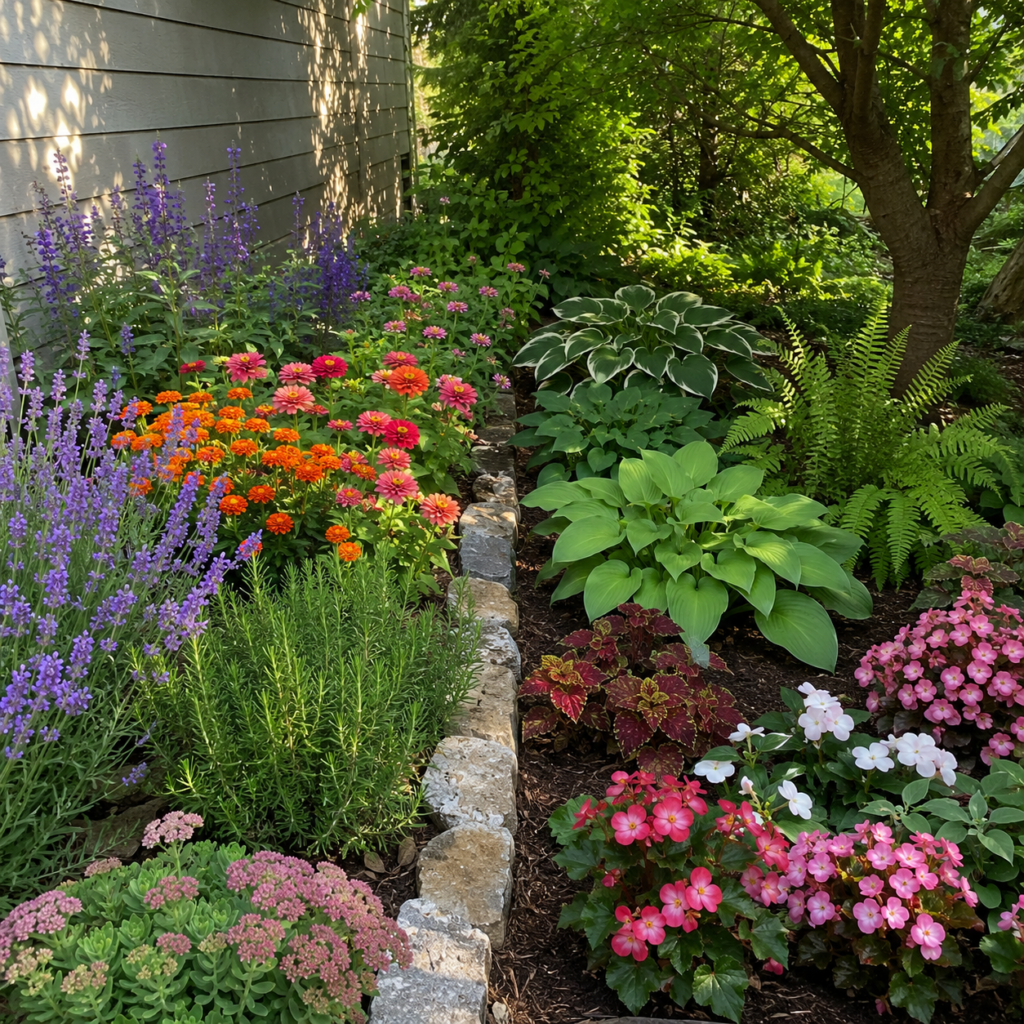
The best outdoor plants for shade are hostas, ferns, begonias, impatiens, heuchera, coleus, astilbe, and lamium because they grow well with less direct sunlight. Shade gardens can still look beautiful. Many beginners think flowers only grow in full sun, but shade-friendly plants can create soft, colorful, and textured outdoor spaces. The secret is choosing plants that naturally prefer lower light instead of trying to make sun-loving flowers survive in a dark corner.
Hostas are one of the easiest shade plants for beginners because they are grown for their attractive leaves and return reliably in many climates. Ferns bring a natural woodland look and fine texture. Begonias are excellent for shaded pots and borders because they offer both flowers and foliage. Impatiens produce bright color in places where full-sun flowers would struggle. Coleus gives strong foliage color, while heuchera adds rich leaf shades like burgundy, lime, silver, orange, and purple.
Shade does not always mean no light. Bright shade, filtered shade, and deep shade are different. Most beginner shade plants do best in bright shade or part shade. Very dark corners may need foliage plants rather than heavy-blooming flowers.
Easiest Outdoor Herbs to Grow
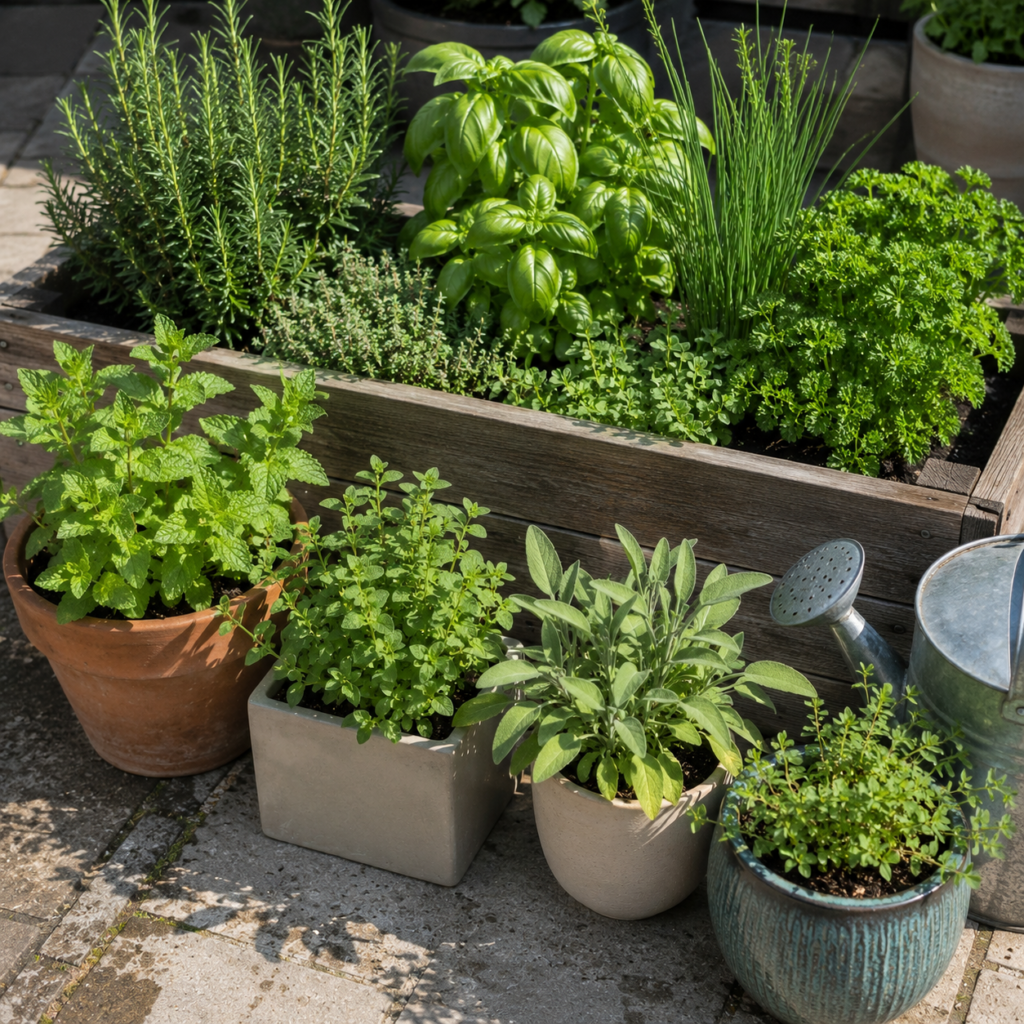
The easiest outdoor herbs for beginners are mint, chives, rosemary, thyme, basil, parsley, oregano, and sage because they are useful, fragrant, and simple to grow in pots or small beds. Herbs are excellent for beginner gardeners because they offer a practical reward. You can use them in cooking, tea, drinks, salads, and homemade seasonings. Many herbs also smell good, attract pollinators, and fit easily into small outdoor spaces.
Mint is one of the easiest herbs to grow outdoors, but it should usually be grown in a pot because it spreads aggressively in garden beds. Rosemary is a tough, sun-loving herb that prefers well-drained soil. Thyme is low-growing and drought-tolerant once established. Basil grows fast in warm weather and is useful for cooking. Chives are reliable and easy. Parsley grows well in pots and part sun. Oregano is strong and fragrant, while sage works well in sunny, dry soil.
| Herb | Best Growing Place | Beginner Note |
| Mint | Pot | Easy but spreads fast |
| Rosemary | Sunny pot or bed | Needs drainage |
| Thyme | Sunny edge or pot | Low-water once established |
| Basil | Warm sunny pot | Needs regular harvesting |
| Chives | Pot or bed | Reliable and easy |
| Parsley | Pot or part sun bed | Likes steady moisture |
| Oregano | Sunny pot | Strong and fragrant |
| Sage | Sunny bed | Good for dry soil |
For a beginner herb setup, start with rosemary, mint in a pot, basil, and chives. This gives you a mix of easy care, kitchen use, and different growth habits.
Best Low-Maintenance Outdoor Plants
The best low-maintenance outdoor plants are sedum, lavender, daylily, hosta, coneflower, rosemary, ornamental grasses, salvia, black-eyed Susan, and boxwood because they need less daily care once established. Low-maintenance outdoor plants are ideal for beginners who do not want a garden that needs constant watering, trimming, feeding, or pest control. These plants are not maintenance-free, but they are easier to manage than delicate or fussy plants.
Sedum is one of the best low-maintenance choices because it handles dry soil, sun, and neglect better than many common garden plants. Lavender is low-maintenance when planted in sun and drainage. Daylilies return each year and tolerate a range of conditions. Hostas are low-care shade plants because their leaves provide the main display. Coneflowers are strong, pollinator-friendly perennials. Rosemary is useful and tough in the right climate. Ornamental grasses add structure with little attention, and boxwood gives evergreen shape.
| Plant | Why It Is Low Maintenance |
| Sedum | Drought-tolerant and tough |
| Lavender | Handles dry sunny spots |
| Daylily | Comes back reliably |
| Hosta | Strong shade foliage |
| Coneflower | Long bloom season |
| Rosemary | Useful and drought-tolerant |
| Ornamental grass | Adds structure with little care |
| Boxwood | Evergreen shape and structure |
Low-maintenance gardening starts with correct placement. A drought-tolerant plant in wet shade is not low maintenance. A shade plant in harsh sun is not low maintenance. The easiest plant becomes difficult when placed in the wrong conditions.
How to Keep Outdoor Plants Alive
Beginners keep outdoor plants alive by matching plants to sunlight, using well-drained soil, watering deeply instead of constantly, choosing the right pot size, and avoiding plants that do not fit the local climate. Most outdoor plant failures happen for simple reasons. The plant gets the wrong amount of light, the roots stay too wet, the soil dries completely, or the plant is not suitable for the climate. Beginners often blame themselves, but the real issue is usually plant-location mismatch.
Start by observing sunlight. Watch your outdoor space for one day. Notice where the sun hits in the morning, afternoon, and evening. A spot that gets six or more hours of direct sun is good for full-sun plants. A spot with filtered light or only morning sun may be better for part-shade plants. Watering should be based on soil, not a fixed calendar. Stick your finger into the soil. If the top inch feels dry, many outdoor plants may need water. If it still feels wet, wait.
Beginner survival checklist:
- Match the plant to the light.
- Use well-drained soil.
- Water deeply when needed.
- Avoid tiny pots for large plants.
- Give plants room to grow.
- Remove dead flowers and leaves.
- Check for pests weekly.
- Start with fewer plants.
- Do not buy only by color.
- Learn your garden before expanding.
Use pots with drainage holes. This is not optional for most beginner outdoor plants. A beautiful pot without drainage can kill plants because water collects at the bottom. Do not fertilize too much. Beginners sometimes think more fertilizer means more growth, but too much fertilizer can damage roots or create weak growth.
The best beginner garden is not the biggest garden. It is the garden you can maintain consistently.
Biggest Beginner Planting Mistakes
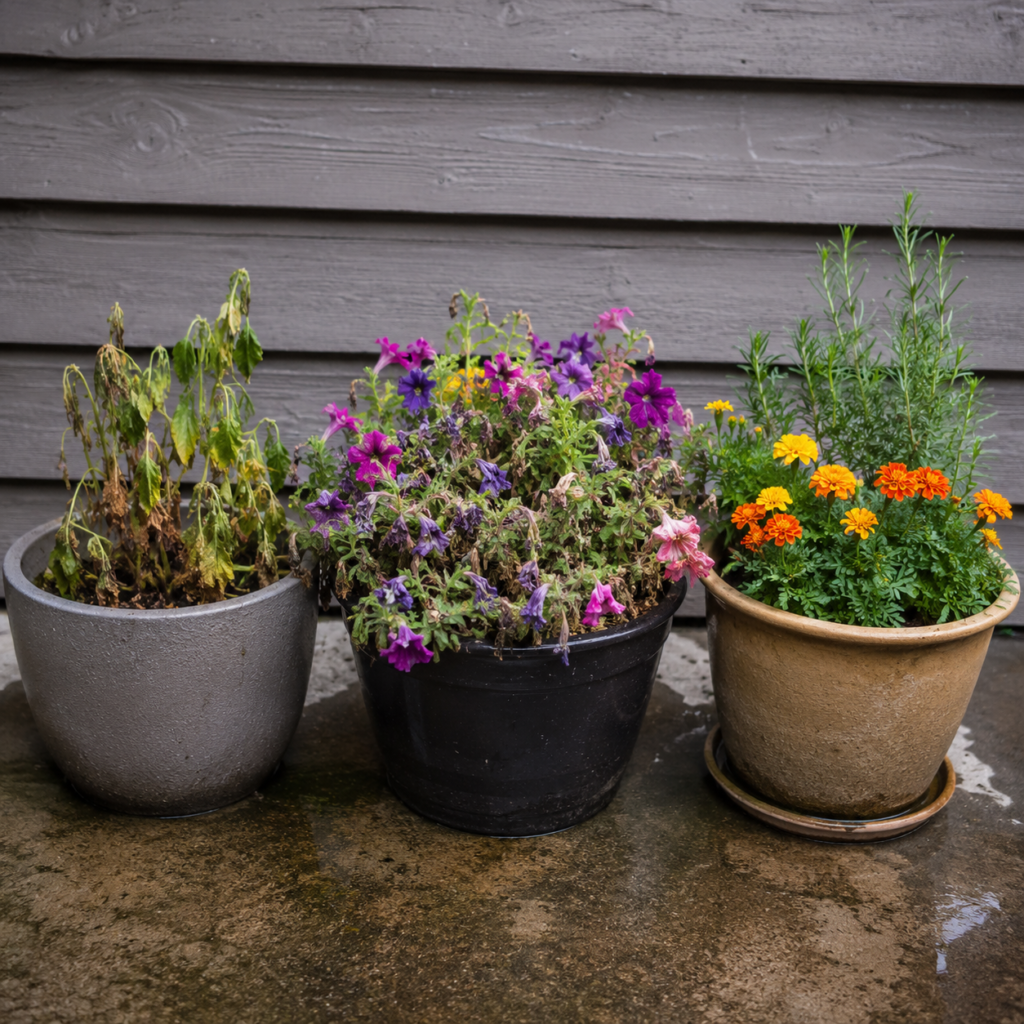
The biggest beginner mistakes are buying plants without checking sunlight, overwatering, using pots without drainage, overcrowding plants, and choosing difficult plants too early. The most common mistake is buying by appearance only. A plant may look perfect in the nursery because it has been grown under controlled conditions. Once it reaches your garden, it needs the correct sunlight, water, soil, and space. If those do not match, even a healthy plant can decline quickly.
Overwatering is another major issue. Many beginners water every day because they are afraid the plant will dry out. But many outdoor plants dislike soggy roots. Water deeply when the soil needs it, then allow the soil to breathe. Using decorative pots without drainage is also risky. If a pot has no hole, rainwater or irrigation water can sit at the bottom. This can cause root rot even if the top soil looks normal.
Common beginner planting mistakes include:
- Buying plants only because they look beautiful.
- Ignoring sun and shade needs.
- Watering every day without checking soil.
- Using pots without drainage holes.
- Planting too many plants in one container.
- Forgetting mature plant size.
- Choosing climate-sensitive plants too early.
- Using the wrong soil for containers.
- Fertilizing too often.
- Moving plants repeatedly before they settle.
Overcrowding is common with containers and flower beds. Small plants look too far apart at planting time, so beginners add more. A few weeks later, the plants compete for water, light, and airflow. Another mistake is ignoring mature size. A small shrub may become too large for a narrow space. A spreading plant may cover nearby plants.
The clearest decision rule is this: before buying any outdoor plant, ask where it will go, how much sun it will receive, how large it will become, and whether you can water it realistically. If you cannot answer those questions, pause before buying.
FAQs
What is the easiest outdoor plant for beginners?
Marigold is one of the easiest outdoor plants for beginners because it grows quickly, blooms heavily, and thrives in both garden beds and containers. For shaded spaces, hosta and begonia are excellent beginner-friendly alternatives.
What outdoor plants are hardest to kill?
Sedum, lavender, rosemary, daylily, hosta, coneflower, and ornamental grasses are among the toughest outdoor plants. Once established, they tolerate common beginner mistakes better than many flowering plants.
What are the best outdoor plants for pots?
Geraniums, petunias, begonias, rosemary, mint, lavender, coleus, and compact herbs grow well in containers. Choose pots with drainage holes and enough space for root growth.
Which outdoor plants need the least care?
Sedum, lavender, rosemary, daylily, hosta, salvia, and ornamental grasses are low-maintenance choices. They require less watering, pruning, and attention once established.
Are perennials better than annuals for beginners?
Both have advantages. Annuals provide fast seasonal color, while perennials return year after year and create long-term garden structure. Most beginners benefit from using a mix of both.
What outdoor plants grow well in shade?
Hostas, ferns, begonias, impatiens, coleus, heuchera, and astilbe perform well in shade. These plants are ideal for porches, patios, and garden areas with limited sunlight.
What outdoor plants grow best in full sun?
Marigolds, zinnias, lavender, rosemary, sedum, salvia, coneflowers, and lantana thrive in full sun. They handle bright direct light and warm summer conditions well.
What plants should beginners avoid?
Beginners should avoid plants that need exact watering, special soil, frequent pruning, or heavy pest control. Gardenias, difficult roses, running bamboo, and tender tropical plants can be challenging.
How many plants should a beginner start with?
Starting with 5 to 7 plants is usually ideal. This provides enough variety to learn different care routines without becoming overwhelming.
Can beginners grow outdoor plants in containers only?
Yes. Containers are one of the easiest ways to start gardening. Many flowers, herbs, foliage plants, and even small shrubs grow successfully in pots and patio containers.
What outdoor plant grows fastest for beginners?
Zinnias and marigolds are among the fastest-growing outdoor plants for beginners. They establish quickly and often produce flowers within the same growing season.
What is the best outdoor plant for someone who forgets to water?
Sedum, lavender, rosemary, ornamental grasses, and established coneflowers tolerate dry conditions better than many other plants. They are good choices for busy gardeners.
Can beginners grow outdoor plants without a garden?
Absolutely. Balconies, patios, porches, railing planters, and hanging baskets can all support beginner-friendly outdoor plants. Containers make gardening possible almost anywhere.
What is the best outdoor plant for a shady porch?
Begonias are excellent for shady porches because they provide long-lasting color without needing strong sunlight. Coleus, hostas, impatiens, and ferns are also good options.
What outdoor herbs are easiest to grow?
Mint, rosemary, thyme, basil, chives, oregano, parsley, and sage are among the easiest herbs for beginners. Mint grows especially well but should be kept in a container to prevent spreading.
Myra is the founder and lead writer of Plantsaholic. She shares practical, research-backed advice on indoor plants, outdoor gardening, flowers, herbs, succulents, and everyday plant care. Her goal is to help gardeners of all experience levels grow healthier plants through simple, easy-to-follow gardening guides.