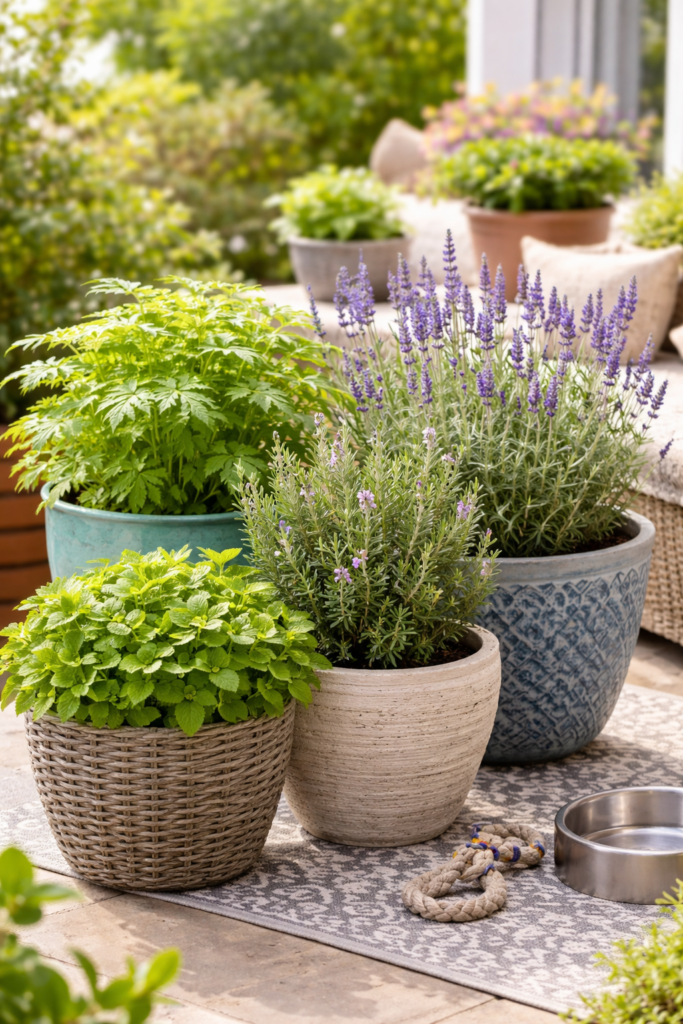
Flea-repelling plants are natural plants that deter fleas using strong scents and essential oils. Effective options include Lavender, Citronella, and Rosemary. These plants work by disrupting flea scent detection, making areas less attractive for infestation while providing a safe, eco-friendly pest control method.
Fleas are a persistent problem, especially in homes with pets. While chemical treatments offer quick results, many people prefer natural solutions that are safer and environmentally friendly. Flea-repelling plants provide a passive and sustainable way to reduce flea activity.
These plants combine functionality with aesthetics. They not only help deter pests but also enhance the beauty of your indoor and outdoor spaces. When used correctly, they can become part of a broader pest management system.
What Are Flea-Repelling Plants?
Flea-repelling plants are plants that naturally deter fleas through the release of aromatic compounds and essential oils. These compounds interfere with the flea’s ability to locate hosts, making the surrounding environment less favorable for them.
Unlike chemical insecticides, these plants do not kill fleas instantly. Instead, they act as a preventative measure by creating conditions that discourage flea presence and reproduction. This makes them ideal for long-term pest management.
Key characteristics of flea-repelling plants:
- Emit strong natural scents
- Contain essential oils
- Provide passive pest control
- Suitable for indoor and outdoor use
- Eco-friendly alternative
- These plants create a natural barrier against flea activity.
How Flea-Repelling Plants Work
Flea-repelling plants work by releasing volatile compounds that disrupt flea behavior. Fleas rely heavily on scent to locate hosts such as pets or humans. Strong plant aromas interfere with this process, reducing their ability to detect targets.
In addition, some plants produce compounds that fleas find unpleasant, discouraging them from settling or breeding in the area. While not a complete solution, this natural method significantly reduces infestation risk when combined with proper hygiene.
How they work:
- Mask host scents
- Emit repellent compounds
- Disrupt flea navigation
- Reduce breeding activity
- Create an unfavorable habitat
These plants function as deterrents rather than direct exterminators.
Best Flea-Repelling Plants
Certain plants are particularly effective due to their strong scent and chemical composition. These plants can be used individually or combined to increase overall effectiveness.
A diverse selection helps create a layered defense system against fleas.
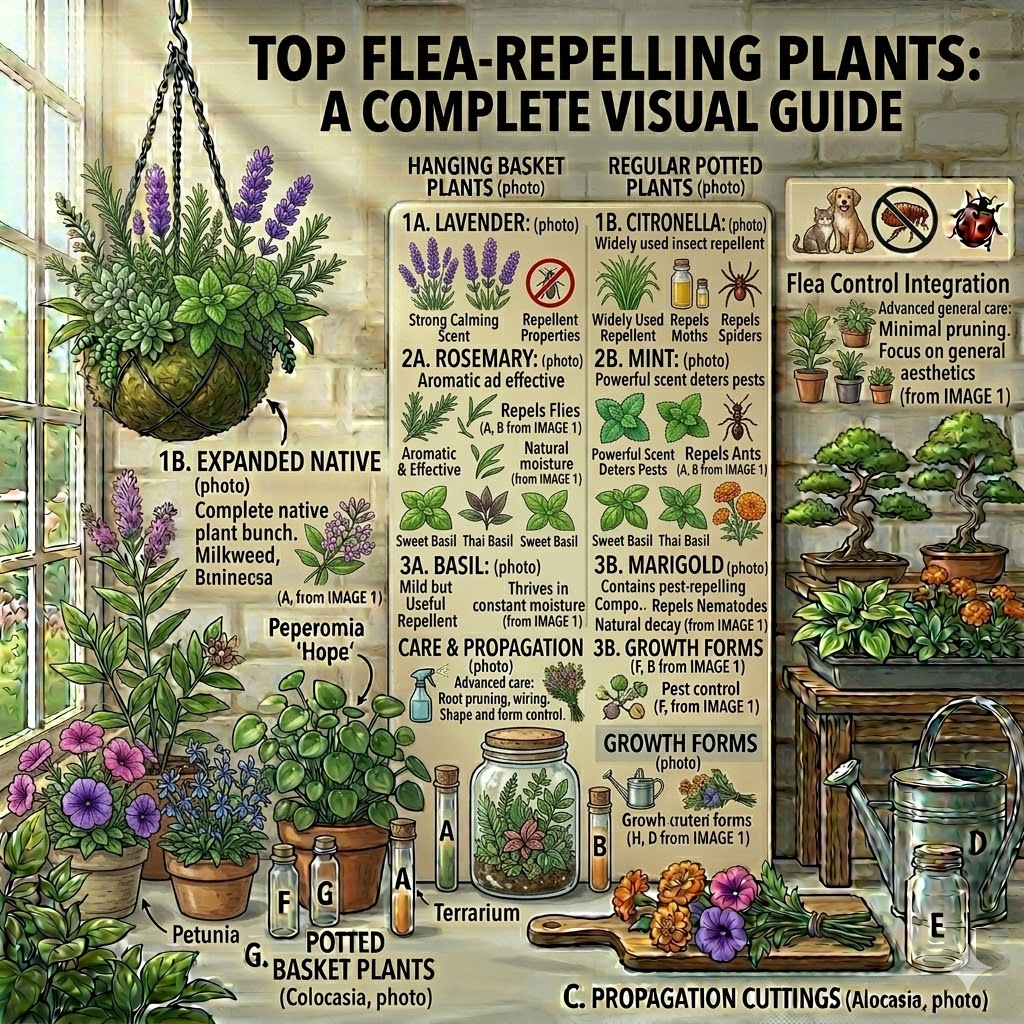
Top flea-repelling plants:
- Lavender: strong calming scent with repellent properties
- Citronella: widely used insect repellent
- Rosemary: aromatic and effective
- Mint: powerful scent deters pests
- Basil: mild but useful repellent
- Marigold: contains pest-repelling compounds
Combining plants creates stronger and more consistent protection.
Where to Place Flea-Repelling Plants
Strategic placement is essential for maximizing the effectiveness of flea-repelling plants. Placing them randomly may reduce their impact, while targeted placement creates protective zones.
Fleas are most likely to appear in areas where pets rest or where they enter the home. Positioning plants in these locations helps reduce flea activity.
Placement strategies:
- Near doors and entry points
- Around pet sleeping areas
- Along garden borders
- Near windows and balconies
- Around outdoor seating areas
Proper placement creates effective protection zones.
Indoor vs Outdoor Flea Control Using Plants
Flea-repelling plants can be used both indoors and outdoors, but their effectiveness varies depending on the environment. Indoor plants provide localized protection, while outdoor plants act as a barrier.
Combining both approaches offers the best results. Outdoor plants reduce entry, while indoor plants limit spread within the home.
Indoor vs outdoor use:
- Indoor: protects living areas
- Outdoor: prevents flea entry
- Indoor: controlled environment
- Outdoor: wider coverage
- Combination improves effectiveness
Using both ensures comprehensive pest control.
Light Requirements for Flea-Repelling Plants
Light plays a crucial role in the effectiveness of flea-repelling plants. Adequate sunlight helps plants produce stronger essential oils, which enhances their repellent properties.
Most of these plants thrive in bright light conditions. Without proper light, their growth slows and scent production weakens.
Lighting guidelines:
- Provide bright sunlight
- Ensure at least 6 hours of light
- Avoid deep shade
- Adjust based on plant type
- Monitor plant health
Strong light supports maximum repellent strength.
Watering and Soil Needs
Flea-repelling plants require balanced watering and well-draining soil to maintain health. Overwatering can weaken plants, while underwatering reduces essential oil production.
Maintaining proper soil conditions ensures consistent growth and effectiveness.
Watering and soil tips:
- Use well-draining soil
- Water moderately and consistently
- Avoid waterlogging
- Adjust based on climate
- Maintain healthy root systems
Healthy plants produce stronger pest-repelling compounds.
Flea Lifecycle Explained (Egg to Adult)
Understanding the flea lifecycle is essential if you want to control infestations effectively. Fleas go through four stages: egg, larva, pupa, and adult. While adult fleas are visible on pets, most of the population exists in earlier stages hidden in the environment.
Female fleas lay eggs on pets, but these eggs quickly fall into carpets, bedding, and soil. Larvae feed on organic matter, while pupae develop inside protective cocoons. Adult fleas emerge when conditions are right, restarting the cycle. This means simply removing visible fleas is not enough.
Flea lifecycle stages:
- Egg: laid on pets but fall into surroundings
- Larva: feeds on debris in hidden areas
- Pupa: protected cocoon stage
- Adult: feeds on pets and reproduces
- Cycle repeats rapidly
Effective control requires targeting all lifecycle stages, not just adults.
Where Fleas Live in Homes & Gardens
Fleas do not live only on pets. In fact, most fleas are found in the surrounding environment. They thrive in warm, dark, and humid areas where they can hide and reproduce.
Indoor spaces such as carpets, rugs, and furniture provide ideal conditions. Outdoors, fleas live in shaded soil, grass, and garden areas. Understanding these locations helps you focus your control efforts effectively.
Common flea hiding spots:
- Carpets and rugs
- Pet bedding and furniture
- Cracks in flooring
- Garden soil and grass
- Shaded outdoor areas
Knowing where fleas live helps you target problem areas more effectively.
Do Flea-Repelling Plants Actually Work?
Flea-repelling plants can reduce flea activity, but they are not a complete solution for infestations. These plants work by creating an environment that fleas find unattractive, but they do not kill fleas directly.
Their effectiveness depends on placement, plant health, and overall pest control strategy. When used alone, results may be limited. However, when combined with other methods, they become a valuable part of pest management.
Effectiveness factors:
- Strong scent production
- Proper placement
- Plant health
- Environmental conditions
- Combination with other methods
Plants work best as preventive and supportive solutions.
Using Plants vs Essential Oils
While live plants provide passive protection, essential oils extracted from these plants are often more concentrated and effective. Oils can be applied in diluted form to enhance flea-repelling effects.
However, essential oils must be used carefully, especially around pets. Some oils can be harmful if misused. Combining both plants and oils creates a stronger defense system.
Comparison:
- Plants: slow, continuous protection
- Oils: fast, concentrated effect
- Plants: safer for general use
- Oils: require careful handling
- Combined use improves results
Using both creates a multi-layered pest defense system.
Are Flea-Repelling Plants Safe for Pets?
While many flea-repelling plants are safe, some can be toxic to pets if ingested. This makes plant selection and placement extremely important in pet-friendly homes.
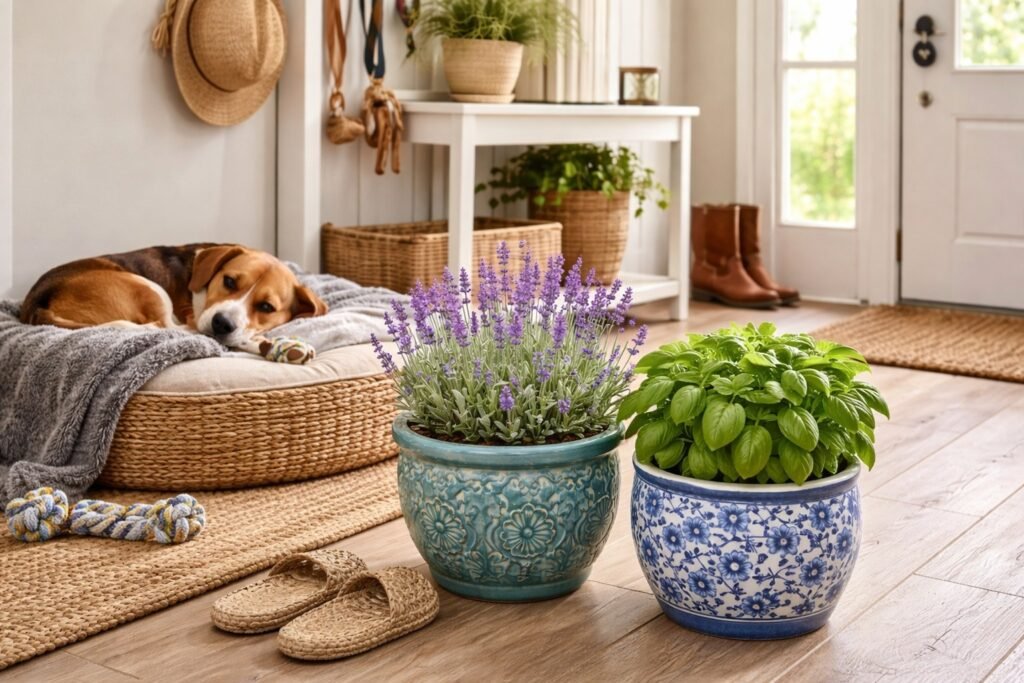
For example, plants like Lavender are generally safe in small amounts, while others may require caution. Always research each plant before introducing it into your home.
Pet safety tips:
- Choose non-toxic plants
- Avoid placing plants within reach
- Monitor pet behavior
- Avoid essential oil exposure
- Consult a veterinarian if unsure
Safety ensures effective pest control without harming pets.
Integrated Flea Control Strategy
The most effective way to manage fleas is by combining multiple control methods. Relying on plants alone is not enough, especially during active infestations.
An integrated approach includes cleaning, plant placement, and additional treatments. This ensures that fleas are controlled at every stage of their lifecycle.
Integrated strategy:
- Use flea-repelling plants
- Vacuum regularly
- Wash pet bedding
- Maintain hygiene
- Use additional treatments if needed
Combining methods creates complete flea control coverage.
Most Effective Plants Ranked
Not all flea-repelling plants are equally effective. Some produce stronger scents and more potent compounds, making them better at deterring fleas.
Understanding which plants are most effective helps you prioritize your selection and maximize results.
Top-ranked plants:
- Lavender: highly effective
- Citronella: strong repellent
- Mint: powerful scent
- Rosemary: versatile
- Marigold: natural pest deterrent
Choosing top plants improves overall effectiveness.
Where to Focus in Your Home (Hotspot Strategy)
Targeting flea hotspots is essential for effective control. Instead of spreading efforts evenly, focus on areas where fleas are most likely to live and reproduce.
These hotspots are usually associated with pets or areas with limited sunlight and airflow.
Hotspot areas:
- Pet sleeping areas
- Carpets and rugs
- Upholstered furniture
- Entry points
- Outdoor shaded zones
Focusing on hotspots ensures maximum impact with minimal effort.
Common Problems and Fixes
Flea-repelling plants may face issues that reduce their effectiveness. Poor growth, weak scent production, or pest damage can limit their ability to repel fleas.
Regular monitoring and proper care help maintain their performance.
Common problems:
- Weak scent due to low light
- Slow growth from poor soil
- Overwatering damage
- Pest infestations
- Environmental stress
Fixes:
- Increase light exposure
- Improve soil quality
- Adjust watering routine
- Maintain plant health
- Monitor regularly
Proper care ensures consistent plant performance.
Flea-Repelling Plants vs Chemical Treatments
Flea-repelling plants provide a natural alternative to chemical treatments. While chemicals offer immediate results, plants work gradually by creating an unfavorable environment for fleas.
This makes plants safer but less aggressive in action. Combining both approaches can be effective for severe infestations.
Comparison insights:
- Plants are natural and safe
- Chemicals act faster
- Plants provide long-term prevention
- Chemicals may have side effects
- Plants are eco-friendly
Plants offer safe and sustainable pest control.
Are Flea-Repelling Plants Beginner-Friendly?
Flea-repelling plants are generally easy to grow and maintain, making them suitable for beginners. Many of these plants are hardy and adaptable to different environments.
Starting with a few easy plants allows beginners to gain experience before expanding their setup.
Beginner tips:
- Start with lavender or mint
- Maintain proper light and water
- Place plants strategically
- Monitor growth regularly
- Expand gradually
These plants are simple and beginner-friendly.
Expert Insight: Plants Reduce, Not Eliminate
Flea-repelling plants are most effective as part of a broader pest management strategy. They help reduce flea populations but do not completely eliminate infestations.
Plants = deterrence
Combined approach = best results
Final Thoughts
Flea-repelling plants provide a natural and eco-friendly way to manage pests while enhancing your environment. With proper care and placement, they can significantly reduce flea activity and contribute to a healthier living space.
FAQ Section
Do plants really repel fleas?
Yes, certain plants deter fleas through scent.
What is the best plant for fleas?
Lavender and citronella are highly effective.
Can they replace chemical treatments?
They reduce fleas but may not fully replace treatments.
Are they safe for pets?
Most are safe, but some require caution.
Where should I place them?
Near entry points and pet areas.

Myra is the founder and lead writer of Plantsaholic. She shares practical, research-backed advice on indoor plants, outdoor gardening, flowers, herbs, succulents, and everyday plant care. Her goal is to help gardeners of all experience levels grow healthier plants through simple, easy-to-follow gardening guides.