Outdoor gardening becomes easier when beginners choose low-maintenance plants that tolerate changing weather, average soil, and inconsistent watering. Hardy drought-tolerant plants help beginners create attractive outdoor spaces with less maintenance and fewer plant losses.
Many beginner gardening problems happen because delicate high-maintenance plants are chosen before understanding sunlight, drainage, or watering balance. Hardy perennials, ornamental grasses, and climate-adapted plants simplify gardening because they survive environmental stress and continue growing reliably with minimal care.
The right plant choices keep patios, balconies, and backyard gardens attractive throughout the growing season while helping beginners learn watering, pruning, and seasonal care more easily.
Successful outdoor gardening depends more on choosing suitable plants than using expensive fertilizers or complicated landscaping techniques. Simple gardens with hardy climate-adapted plants often outperform overcrowded high-maintenance landscapes.
What Makes an Outdoor Plant Good for Beginners?
Beginner-friendly outdoor plants are hardy, adaptable, and easy to maintain. Plants that tolerate inconsistent watering, changing temperatures, and average soil usually perform best for new gardeners.
Low-maintenance plants also recover faster from common mistakes like overwatering, poor sunlight placement, or delayed pruning. Pest-resistant and climate-adapted plants typically survive longer with less care.
Characteristics of Beginner-Friendly Plants
- Drought tolerance
- Pest resistance
- Climate adaptability
- Flexible soil needs
- Reliable seasonal growth
Decision Clarity
Avoid plants that require exact humidity, daily watering, or specialized fertilizers.
What Are the Top 5 Best Outdoor Plants for Beginners?
Some outdoor plants consistently perform better for beginners because they tolerate mistakes while remaining attractive and easy to maintain. The best beginner plants combine resilience, low water requirements, climate adaptability, and long seasonal performance without demanding advanced gardening experience.
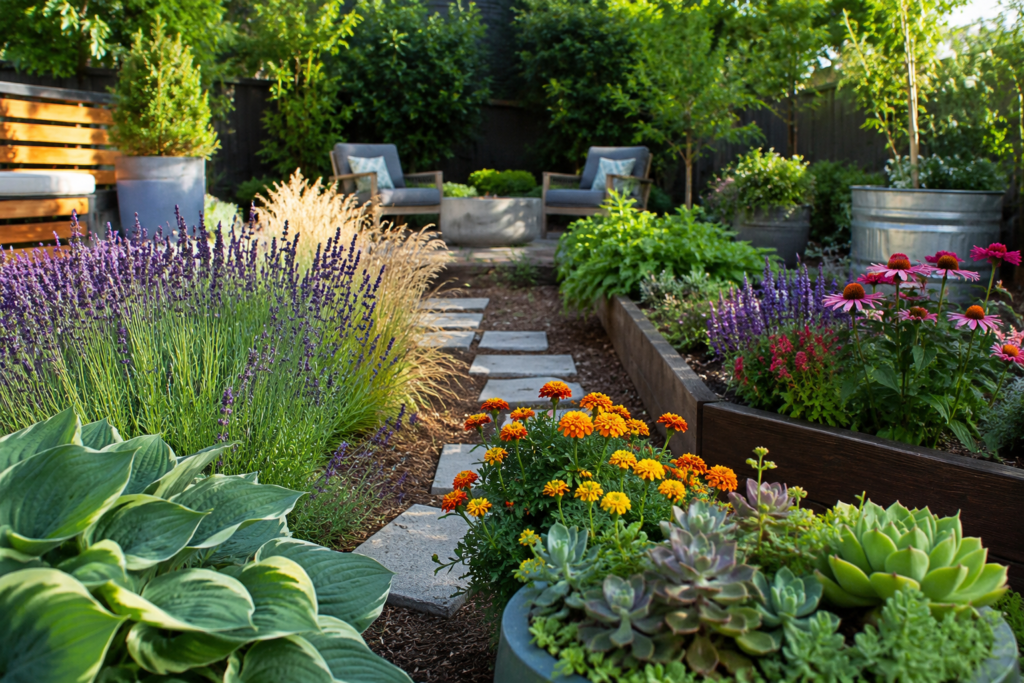
Lavender remains one of the best beginner outdoor plants because it survives drought, poor soil, strong sunlight, and inconsistent watering while attracting bees and butterflies naturally. Sedum varieties require almost no maintenance and tolerate heat extremely well. Hostas perform reliably in shaded gardens, while marigolds bloom heavily throughout the growing season. Ornamental grasses provide movement, structure, and year-round texture while surviving dry conditions better than many flowering species.
These plants also adapt well to multiple landscaping styles. Lavender works in cottage gardens, modern landscapes, and container gardens. Sedum thrives in rock gardens and dry borders. Hostas improve shaded pathways and patios, while ornamental grasses add visual structure to modern outdoor spaces.
Top 5 Beginner Outdoor Plants
- Lavender
- Sedum
- Hostas
- Marigolds
- Ornamental grasses
Why These Plants Work Well for Beginners
- Survive inconsistent watering
- Require minimal pruning
- Adapt to multiple climates
- Tolerate common beginner mistakes
- Stay visually attractive for long periods
Decision Clarity
Hardy low-maintenance plants adapted to your climate usually perform better than delicate ornamental species.
Beginner Outdoor Plant Comparison Table
| Plant | Sun Needs | Water Needs | Maintenance | Difficulty |
|---|---|---|---|---|
| Lavender | Full Sun | Low | Low | Very Easy |
| Sedum | Full Sun | Very Low | Very Low | Very Easy |
| Hosta | Partial Shade | Moderate | Low | Easy |
| Marigold | Full Sun | Moderate | Low | Easy |
| Coneflower | Full Sun | Low | Low | Easy |
| Salvia | Full Sun | Low | Low | Easy |
| Fern | Partial Shade | Moderate | Moderate | Easy |
| Rosemary | Full Sun | Low | Low | Easy |
Which Outdoor Plants Are the Easiest to Grow?
The easiest outdoor plants establish quickly, survive inconsistent care, and continue growing with minimal intervention. Lavender, sedum, marigolds, hostas, coneflowers, and salvia remain popular because they adapt well to common backyard conditions without requiring specialized gardening knowledge.
Lavender combines drought tolerance with pollinator support, while marigolds provide fast colorful blooms. Hostas thrive in shaded spaces without demanding constant maintenance. Coneflowers and salvia tolerate heat and drought while attracting butterflies and bees naturally. Zinnias and coreopsis also perform reliably with relatively little care.
Easy outdoor plants usually share several characteristics. They adapt to changing weather conditions, tolerate minor watering mistakes, recover quickly from stress, and continue flowering or producing foliage throughout long portions of the growing season.
Easiest Outdoor Plants for Beginners
- Lavender
- Sedum
- Marigolds
- Hostas
- Coneflowers
- Salvia
- Zinnias
- Coreopsis
Benefits of Easy Plants
- Lower maintenance
- Faster gardening success
- Reduced plant loss
- Better drought tolerance
- Easier seasonal care
Decision Clarity
Choose forgiving climate-adapted plants before experimenting with sensitive outdoor species.
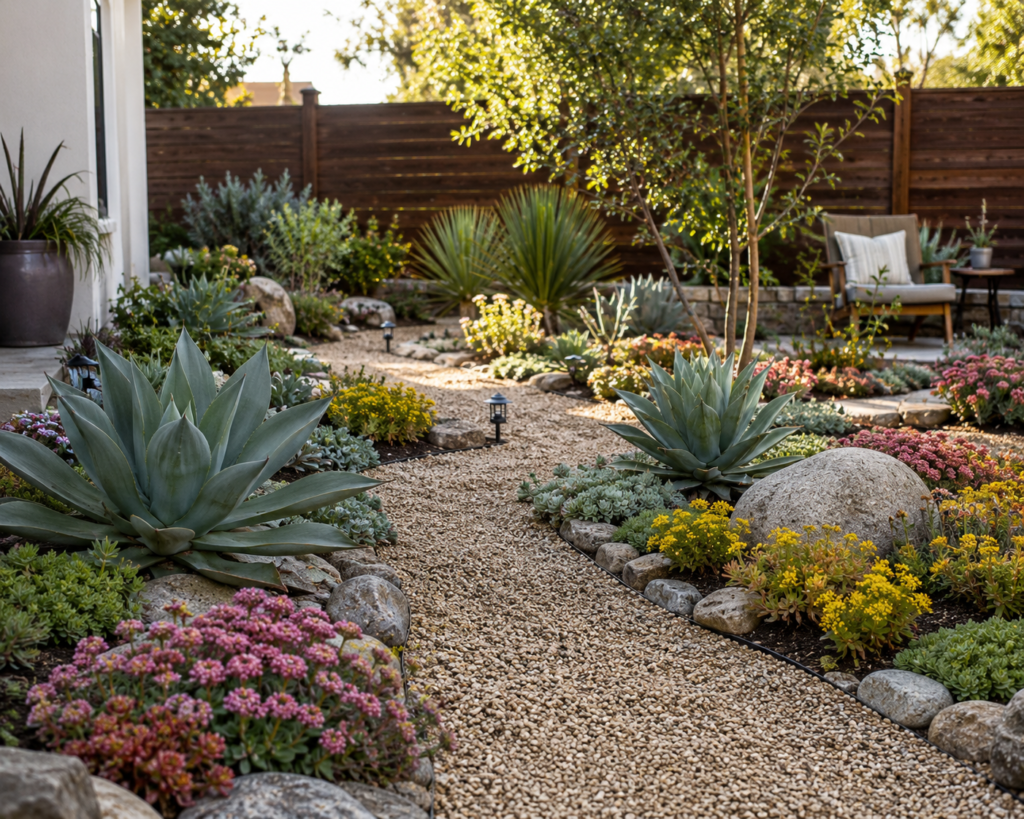
Which Low-Maintenance Outdoor Plants Need the Least Water?
Low-water outdoor plants simplify gardening because they survive dry conditions with minimal watering. Drought-tolerant plants also reduce overwatering problems and lower maintenance, making them ideal for beginners and warm climates.
Agave, lavender, yarrow, lantana, sedum, aloe, and Russian sage thrive in dry soil and full sunlight. Many drought-tolerant plants store moisture in their leaves or develop deep roots that help them survive heat and low rainfall. These plants also suit modern landscapes, gravel gardens, and low-maintenance backyards.
Drought-tolerant gardens continue growing in popularity because they reduce water use while keeping outdoor spaces attractive. Ornamental grasses, succulents, Mediterranean herbs, and hardy perennials create colorful landscapes without frequent irrigation.
Best Low-Water Outdoor Plants
- Lavender
- Agave
- Sedum
- Yarrow
- Aloe
- Russian sage
- Yucca
- Lantana
Benefits of Drought-Tolerant Plants
- Less watering
- Lower maintenance
- Better heat resistance
- Reduced fungal disease risk
- Strong summer performance
Decision Clarity
If your climate experiences strong heat or dry weather, prioritize drought-tolerant plants instead of moisture-sensitive ornamental species.
Which Outdoor Flowering Plants Are Best for Beginners?
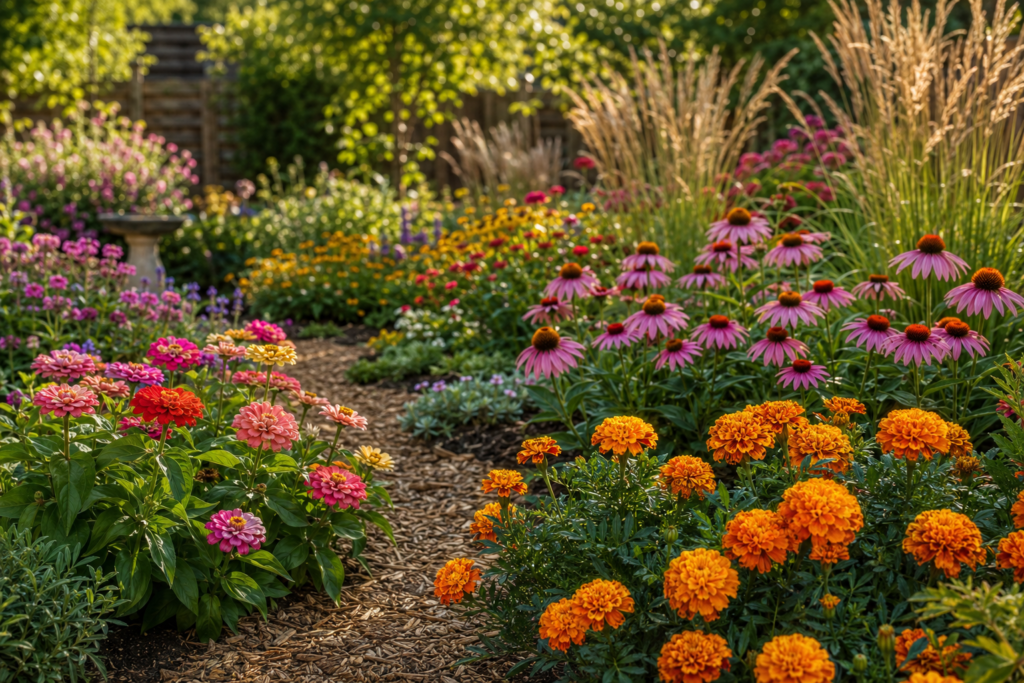
Flowering plants help beginners create colorful gardens while learning seasonal growth cycles and watering routines. The best beginner flowering plants bloom heavily without requiring complicated maintenance or constant fertilizing.
Marigolds remain one of the easiest flowering plants for beginners because they grow quickly, tolerate heat, and continue blooming through most of the growing season. Zinnias also perform extremely well because they produce long-lasting colorful flowers while surviving summer heat better than many delicate ornamental blooms. Coneflowers and black-eyed Susans survive drought while naturally attracting bees and butterflies.
Petunias, salvia, lantana, and daylilies also perform reliably in containers and flower beds. These plants adapt well to different garden layouts while remaining visually attractive throughout spring and summer. Flowering plants also help beginners understand seasonal growth patterns because blooms visibly respond to watering, sunlight, and temperature changes.
Beginner-Friendly Flowering Plants
- Marigolds
- Zinnias
- Coneflowers
- Black-eyed Susans
- Petunias
- Salvia
- Daylilies
- Lantana
Benefits of Beginner Flowering Plants
- Long blooming periods
- Easy seasonal color
- Pollinator support
- Fast visual results
- Strong heat tolerance
Decision Clarity
Combine hardy flowering perennials with fast-growing annual flowers for stronger seasonal color and lower maintenance.
Are Perennials Better Than Annuals for New Gardeners?
Perennials are usually easier long-term because they return every year and develop stronger root systems over time. Once established, perennial plants generally tolerate drought and seasonal weather changes better than annual flowers.
Annuals still provide benefits because they bloom heavily and create fast visual results during the growing season. Many successful beginner gardens combine hardy perennials for structure with annual flowers for extra color and seasonal variation.
Perennials often become more reliable each year as their root systems mature. Coneflowers, salvia, ornamental grasses, heuchera, and black-eyed Susans typically return stronger after establishment. Annuals like marigolds, zinnias, and petunias provide rapid color but require seasonal replanting.
Benefits of Perennials
- Return yearly
- Lower long-term costs
- Better drought tolerance
- Less seasonal replanting
- Stronger root systems
Benefits of Annuals
- Faster blooms
- Long flowering periods
- Flexible garden design
- Easy experimentation
- Strong seasonal color
Decision Clarity
Build beginner gardens around hardy perennials first, then add annual flowers for seasonal variation and color intensity.
Which Outdoor Plants Grow Best in Full Sun and Hot Climates?
Full-sun plants require at least six hours of direct sunlight daily and usually tolerate heat better than shade-loving species. These plants often bloom more heavily and survive drought conditions more effectively because they naturally evolved in hotter, brighter environments.
Lavender, salvia, agave, lantana, yucca, rosemary, coreopsis, and ornamental grasses thrive in strong sunlight and dry soil. Many of these plants survive extreme summer temperatures while requiring relatively little watering. Succulents and Mediterranean herbs also perform especially well in hot climates because they naturally tolerate dry conditions.
Strong sunlight can become harmful when beginners place shade-loving plants in exposed garden beds. Leaf scorch, wilting, brown edges, and faded foliage often occur when sunlight conditions do not match plant requirements.
Best Full-Sun and Heat-Tolerant Plants
- Lavender
- Agave
- Yucca
- Lantana
- Salvia
- Coreopsis
- Rosemary
- Ornamental grasses
Signs a Plant Gets Too Much Sun
- Brown leaf edges
- Wilted foliage
- Crispy leaves
- Dry soil stress
- Faded flower color
Decision Clarity
Always match plants to sunlight conditions before planting to avoid leaf scorch and environmental stress.
Which Beginner Plants Survive Partial Shade?
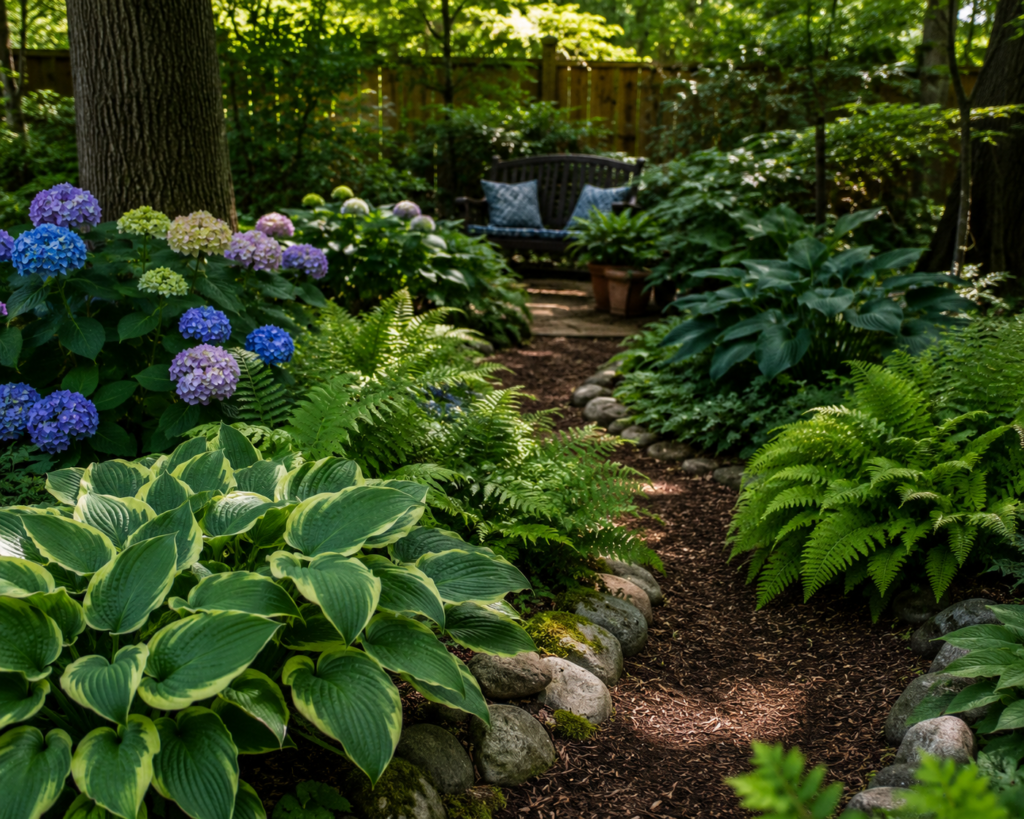
Partial-shade plants help beginners succeed in areas with limited direct sunlight. These plants perform well beneath trees, beside buildings, or in shaded patios where sunlight remains limited throughout the day.
Hostas remain one of the best beginner shade plants because their large foliage creates visual interest with minimal maintenance. Ferns, coleus, hydrangeas, heuchera, and astilbe also tolerate lower sunlight while adding texture and seasonal color.
Shade gardens usually retain moisture longer than sunny landscapes, which can reduce watering frequency. However, excessive moisture combined with poor airflow may increase fungal disease risks if plants become overcrowded.
Best Partial-Shade Outdoor Plants
- Hostas
- Ferns
- Coleus
- Hydrangeas
- Heuchera
- Astilbe
- Caladiums
Benefits of Shade Plants
- Lower watering needs
- Reduced heat stress
- Strong foliage texture
- Better moisture retention
Decision Clarity
Choose shade-adapted plants naturally suited to lower light instead of forcing sun-loving plants into shaded spaces.
Which Outdoor Plants Grow Best in Different Climates?
Climate strongly affects outdoor plant survival because temperature, humidity, rainfall, and seasonal extremes influence root development and overall plant health.
Hot dry climates favor lavender, agave, yucca, sedum, and rosemary because these plants tolerate intense heat and lower moisture levels. Humid climates support lantana, salvia, ferns, and tropical foliage plants more effectively because moisture levels remain consistently higher.
Cold climates usually perform better with hostas, coneflowers, junipers, and black-eyed Susans because these plants tolerate freezing temperatures more effectively. Coastal regions often require salt-tolerant plants capable of surviving strong wind and sandy soil conditions.
Best Beginner Plants by Climate
- Hot climates → Lavender, agave, sedum
- Humid climates → Lantana, salvia, ferns
- Cold climates → Hostas, coneflowers
- Coastal climates → Junipers, yarrow
- Rainy climates → Hydrangeas, ferns
Why Climate Matching Matters
- Reduces plant stress
- Improves root development
- Lowers maintenance
- Improves long-term survival
- Reduces watering problems
Decision Clarity
Climate-adapted plants almost always outperform delicate ornamental species growing outside their natural conditions.
Which Outdoor Plants Work Best in Containers and Small Spaces?
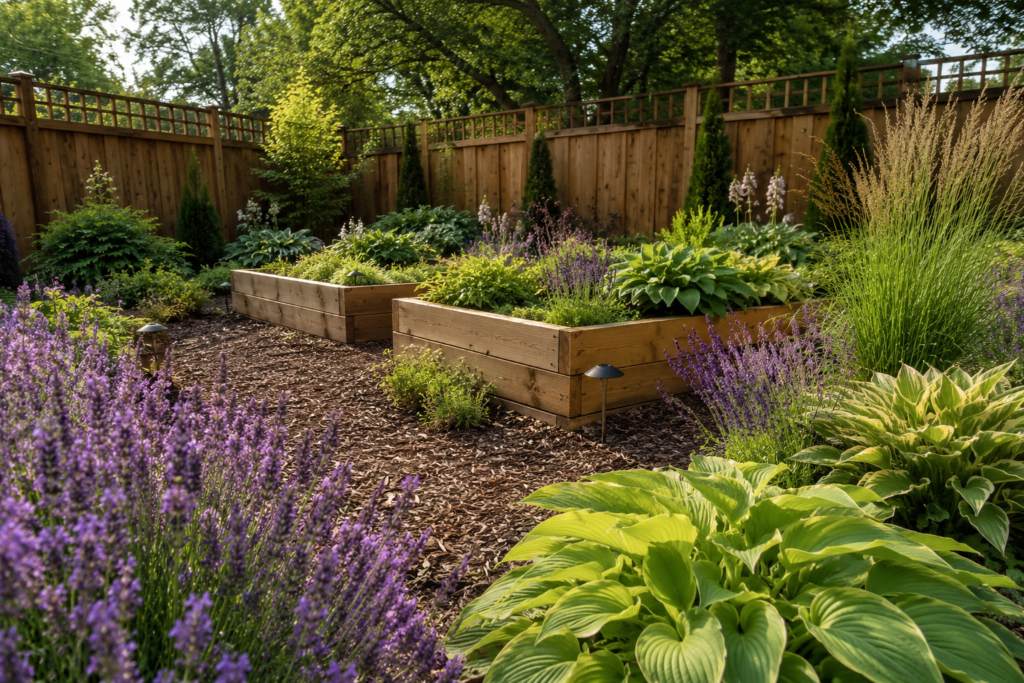
Container gardening helps beginners manage plants more easily in patios, balconies, and small backyards while improving drainage control.
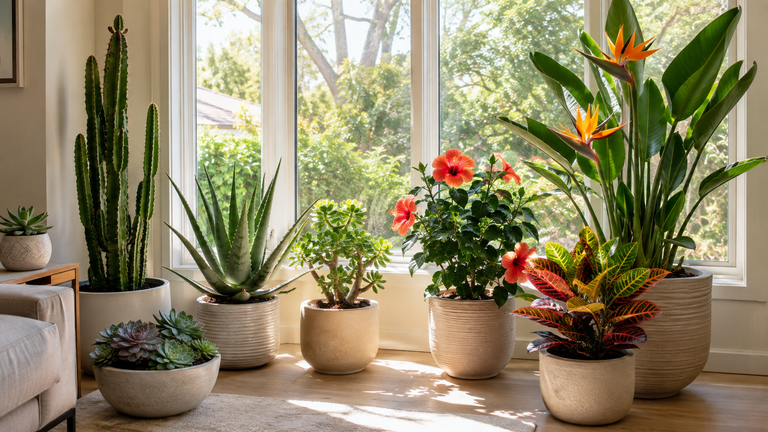
Lavender, rosemary, petunias, succulents, basil, thyme, and ornamental grasses grow well in containers because they stay manageable and adapt easily to compact spaces. Pots also allow easier sunlight adjustments throughout the season.
Good drainage is essential because trapped moisture can cause root rot and fungal problems. Lightweight potting mixes improve airflow and healthy root growth.
Container gardens also let beginners combine flowers, herbs, and evergreen plants for simple low-maintenance arrangements.
Best Plants for Containers and Small Spaces
- Lavender
- Rosemary
- Petunias
- Succulents
- Ornamental grasses
- Dwarf shrubs
- Basil
- Thyme
Benefits of Container Gardening
- Easier drainage control
- Flexible sunlight placement
- Lower maintenance
- Better organization
- Ideal for patios and balconies
Decision Clarity
Use drainage-friendly containers because trapped moisture causes many beginner plant failures.
Which Beginner Outdoor Plants Attract Pollinators?
Pollinator-friendly gardens improve biodiversity while supporting bees, butterflies, hummingbirds, and beneficial insects. Many beginner-friendly flowering plants naturally attract pollinators through nectar-rich blooms while remaining relatively low maintenance.
Lavender, salvia, coneflowers, bee balm, lantana, black-eyed Susans, and zinnias are among the best pollinator-friendly outdoor plants because they bloom heavily and tolerate common beginner gardening mistakes.
Different pollinators prefer different flower structures. Butterflies often prefer clustered flowers, while hummingbirds are attracted to tubular blooms. Combining multiple flowering plant varieties usually creates stronger pollinator activity throughout spring and summer.
Best Pollinator-Friendly Plants
- Lavender
- Salvia
- Coneflowers
- Bee balm
- Lantana
- Black-eyed Susans
- Zinnias
- Yarrow
Benefits of Pollinator Gardens
- Supports biodiversity
- Encourages butterflies and bees
- Improves flower production
- Helps nearby vegetables and herbs
Decision Clarity
Include nectar-rich flowering plants throughout the garden to support pollinators naturally.
Which Outdoor Plants Stay Attractive Year-Round?
Year-round plants maintain visual structure even after seasonal flowers stop blooming. These plants help beginner gardens remain visually balanced across multiple seasons instead of looking empty during colder months.
Evergreen shrubs, junipers, ornamental grasses, sedum, heuchera, and boxwood provide long-term texture and structure while requiring relatively little maintenance. Ornamental grasses remain especially useful because they provide movement and winter texture even after flowering plants fade.
Combining evergreen structure plants with flowering perennials usually creates stronger landscape balance than relying entirely on seasonal blooms.
Best Year-Round Outdoor Plants
- Junipers
- Evergreen shrubs
- Sedum
- Ornamental grasses
- Heuchera
- Boxwood
Why Year-Round Plants Matter
- Improve winter structure
- Reduce seasonal emptiness
- Create landscape balance
- Lower replanting needs
Decision Clarity
Combine flowering plants with evergreen structure plants for stronger year-round landscape balance.
How Can Beginners Build a Low-Maintenance Outdoor Garden?
Low-maintenance gardens reduce watering, pruning, fertilizing, and weed control while still remaining visually attractive throughout the year. Simple organized landscapes usually stay healthier than overcrowded gardens with conflicting plant needs.
Using fewer plant varieties simplifies maintenance routines because watering, pruning, and seasonal care become easier to manage consistently. Mulch helps retain moisture and suppress weeds, while drought-tolerant perennials reduce seasonal replanting work significantly.
Plant grouping also matters. Plants with similar watering and sunlight needs should remain together because mixed environmental requirements often create maintenance problems. Combining drought-tolerant succulents with moisture-loving tropical plants usually causes uneven growth and watering stress.
Low-Maintenance Gardening Tips
- Use mulch
- Improve drainage
- Group plants by water needs
- Prioritize perennials
- Avoid overcrowding
- Add hardscape features
Benefits of Low-Maintenance Gardens
- Less watering
- Reduced pruning
- Lower replacement costs
- Easier seasonal care
- Better drought performance
Decision Clarity
Simple organized landscapes usually remain healthier and easier to maintain than overcrowded gardens filled with conflicting plant requirements.
Beginner Outdoor Gardening Starter Checklist
Starting with proper preparation helps beginners avoid many common gardening mistakes. Simple planning improves drainage, sunlight placement, watering balance, and long-term plant health before planting begins.
Before Planting
- Check sunlight levels
- Improve drainage
- Understand local climate
- Choose beginner-friendly plants
- Avoid overcrowding
Gardening Essentials
- Hand trowel
- Mulch
- Watering can
- Gardening gloves
- Potting mix
- Raised beds
- Pruning shears
Long-Term Success Tips
- Refresh mulch yearly
- Adjust watering seasonally
- Remove dead foliage
- Monitor plant health
Decision Clarity
Strong garden preparation usually prevents more plant problems than fertilizers or advanced gardening products later in the season.
How Should Beginners Care for Outdoor Plants During Different Seasons?
Outdoor plants respond differently throughout the year, so seasonal care adjustments are important for long-term plant health and stable growth. Many beginners follow the same watering routine year-round, but changing temperatures and sunlight levels require different care strategies each season.
Spring is usually the best planting season because warming soil temperatures encourage active root development. Beginners should focus on soil preparation, mulching, and planting hardy outdoor species during this period. Spring is also the ideal time to remove damaged winter foliage and inspect plants for drainage issues.
Summer care mainly involves watering management and heat protection. Container plants dry faster than plants growing directly in the ground, especially during hot weather. Deep watering is generally more effective than frequent shallow watering because it encourages stronger root growth. Mulch also becomes especially useful during summer because it helps reduce evaporation and stabilize root temperatures.
Fall is ideal for cleanup, dividing overcrowded perennials, and preparing gardens for colder weather. Winter care often includes frost protection, reduced watering, and preventing waterlogged soil conditions during rainy periods.
Seasonal Gardening Tasks
- Spring → Soil preparation and planting
- Summer → Watering and mulching
- Fall → Cleanup and pruning
- Winter → Frost protection and reduced watering
Common Seasonal Gardening Mistakes
- Overwatering during winter
- Ignoring mulch during summer
- Heavy pruning before frost
- Planting heat-sensitive flowers too early
Decision Clarity
Adjust watering and maintenance routines by season instead of following one fixed schedule year-round.
What Mistakes Kill Beginner Outdoor Plants Most Often?
Most beginner gardening failures result from overwatering, poor drainage, incorrect sunlight placement, overcrowding, and climate mismatch rather than lack of effort.
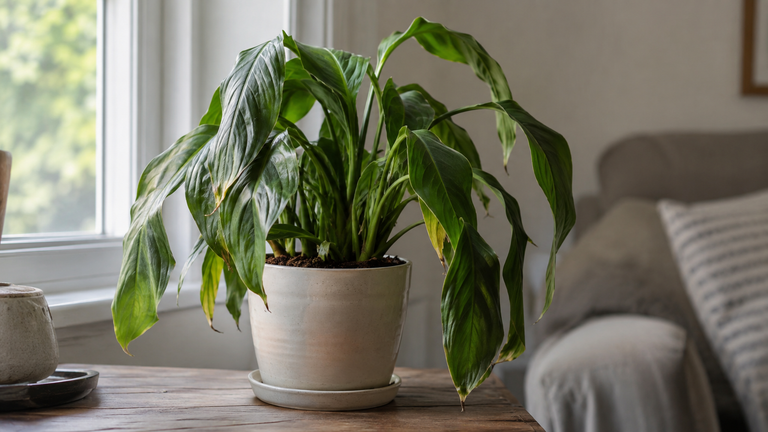
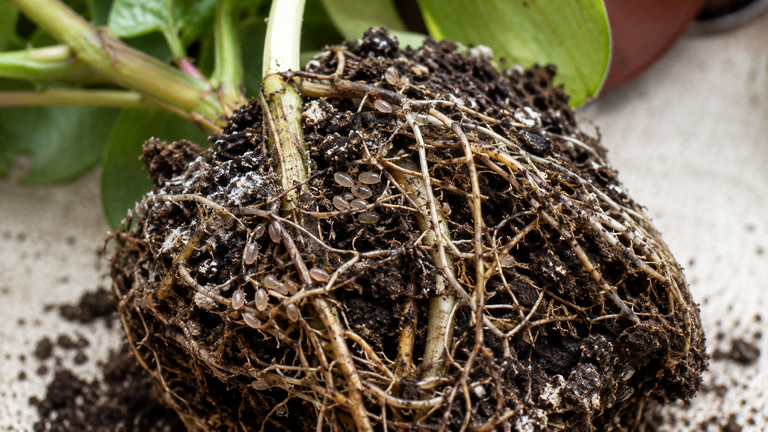
Overwatering remains one of the biggest causes of outdoor plant decline because excess moisture suffocates roots and encourages fungal disease. Many beginners assume wilting always means dryness even though plants frequently wilt from excessive moisture and root damage.
Poor sunlight placement also causes major problems. Shade plants burn in strong afternoon sunlight, while sun-loving plants become weak and leggy in dark garden corners. Overcrowding restricts airflow and increases fungal disease risks.
Common Beginner Gardening Mistakes
- Overwatering
- Poor drainage
- Wrong sunlight placement
- Overcrowding plants
- Ignoring climate conditions
- Using containers without drainage
Signs of Gardening Stress
- Yellow leaves
- Weak flowering
- Mushy stems
- Brown spots
- Wilted foliage
Decision Clarity
Correct sunlight, drainage, and watering habits usually solve more gardening problems than fertilizers or expensive treatments.
How Can Beginners Tell If an Outdoor Plant Is Struggling?
Outdoor plants usually show visible warning signs before severe decline occurs. Learning these symptoms helps beginners correct problems earlier and avoid permanent plant damage.
Yellow leaves often indicate overwatering, while crispy edges suggest dry soil or heat stress. Mushy stems commonly signal root rot caused by excess moisture and poor drainage. Leggy growth usually means insufficient sunlight, while brown spots may indicate fungal disease or environmental stress.
Plants also respond visibly to environmental imbalance. Drooping leaves during extreme heat may indicate temporary moisture loss, while persistent wilting despite wet soil usually points toward root problems.
Plant Symptom Guide
| Plant Symptom | Likely Cause |
|---|---|
| Yellow leaves | Overwatering |
| Crispy edges | Underwatering |
| Mushy stems | Root rot |
| Brown spots | Fungal stress |
| Leggy growth | Lack of sunlight |
Steps to Diagnose Plant Problems
- Check soil moisture
- Inspect sunlight exposure
- Look for drainage issues
- Examine leaves for disease
- Review recent weather changes
Decision Clarity
Inspect soil moisture, drainage, and sunlight exposure before applying treatments or fertilizers.
Which Outdoor Plants Are Usually Difficult for Beginners?
Some outdoor plants become frustrating for beginners because they require precise watering, pruning, humidity control, or disease management. These plants are not impossible to grow, but they usually demand more maintenance and environmental stability.
Roses remain challenging because they are highly vulnerable to fungal disease, humidity problems, pests, and pruning mistakes. Orchids require controlled humidity and specialized growing conditions that many outdoor gardens cannot provide consistently.
Tropical ornamental plants also struggle when temperatures fluctuate aggressively. Moisture-sensitive shrubs and delicate flowering species often decline when watering routines become inconsistent.
Difficult Outdoor Plants for Beginners
- Roses
- Orchids
- Tropical plants
- Moisture-sensitive shrubs
- Fiddle leaf figs outdoors
- Delicate hybrid flowers
Why These Plants Are Difficult
- Sensitive watering needs
- Disease vulnerability
- Precise humidity requirements
- Intensive pruning
- Weak climate adaptability
Decision Clarity
Master low-maintenance climate-adapted plants first before experimenting with sensitive ornamental species.
Final Thoughts on the Best Outdoor Plants for Beginners
The best outdoor plants for beginners are reliable, forgiving, and adaptable to common gardening conditions. Plants like lavender, sedum, hostas, ornamental grasses, marigolds, coneflowers, and salvia help beginners create attractive outdoor spaces while requiring relatively little maintenance.
Successful beginner gardening depends more on choosing climate-appropriate plants than on advanced gardening skills. Understanding sunlight exposure, drainage, watering balance, and seasonal care helps beginners achieve healthier gardens with fewer plant failures.
Low-maintenance outdoor plants also make gardening more enjoyable because they reduce stress while still providing color, pollinator support, texture, and year-round structure. Beginners who start with hardy drought-tolerant plants usually build gardening confidence much faster over time.
FAQ SECTION
What are the easiest outdoor plants for complete beginners?
Lavender, sedum, marigolds, hostas, and ornamental grasses tolerate common mistakes and require relatively little maintenance.
Which outdoor plants require the least maintenance?
Succulents, lavender, yarrow, lantana, and sedum require less watering, pruning, and fertilizing while surviving dry conditions well.
What outdoor plants survive heat and drought best?
Lavender, agave, yucca, lantana, and Russian sage tolerate strong sunlight and low moisture conditions extremely well.
Are perennials easier to grow than annuals?
Perennials are usually easier long-term because they return yearly and require less seasonal replanting than annual flowers.
Which outdoor plants grow best in full sun?
Lavender, salvia, coneflowers, zinnias, and ornamental grasses perform best with at least six hours of direct sunlight daily.
Which beginner outdoor plants grow well in shade?
Hostas, ferns, coleus, and hydrangeas tolerate lower sunlight conditions better than many flowering garden plants.
What is the biggest mistake beginners make with outdoor plants?
Overwatering is one of the biggest beginner gardening mistakes because excess moisture causes root rot and fungal disease problems.
Which outdoor plants are best for containers?
Petunias, rosemary, succulents, lavender, and ornamental grasses grow very well in outdoor containers and small spaces.
What outdoor plants attract butterflies and bees?
Lavender, salvia, coneflowers, bee balm, and lantana attract pollinators with nectar-rich flowers.
How can beginners tell if an outdoor plant is unhealthy?
Yellow leaves, mushy stems, brown spots, and leggy growth usually indicate watering, drainage, or sunlight problems.
Myra is the founder and lead writer of Plantsaholic. She shares practical, research-backed advice on indoor plants, outdoor gardening, flowers, herbs, succulents, and everyday plant care. Her goal is to help gardeners of all experience levels grow healthier plants through simple, easy-to-follow gardening guides.