Houseplant pests are one of the most common reasons indoor plants decline, even when watering, lighting, and soil care seem correct. Many plant owners assume yellow leaves or weak growth are caused by watering mistakes, but hidden pests are often the real cause. Indoor spaces create stable environments for pests because temperatures stay warm and natural predators are absent. Once pests enter a home, they can spread quickly from plant to plant.
The most common houseplant pests include spider mites, mealybugs, fungus gnats, aphids, scale insects, and thrips. Each pest attacks plants differently. Some suck sap, some damage roots, and others weaken leaves by feeding on plant tissue. Correct identification matters because the treatment for one pest may not work for another.
At plantsaholic, understanding pest behavior is part of building long-term plant health. Pest control is not only about removing bugs but correcting the environmental conditions that allowed them to appear.
This guide covers:
- The most common indoor plant pests
- How to identify each pest
- Best treatment methods
- Natural pest control options
- Prevention strategies
- Recovery tips after infestations
What Are the Most Common Houseplant Pests?
Houseplant pests are small insects or mites that feed on plant tissue, roots, stems, or sap. They weaken plants by stealing nutrients, reducing photosynthesis, and increasing stress. Most infestations start small and remain unnoticed until visible damage appears. The challenge with indoor plants is that pest populations can multiply rapidly in stable indoor temperatures.
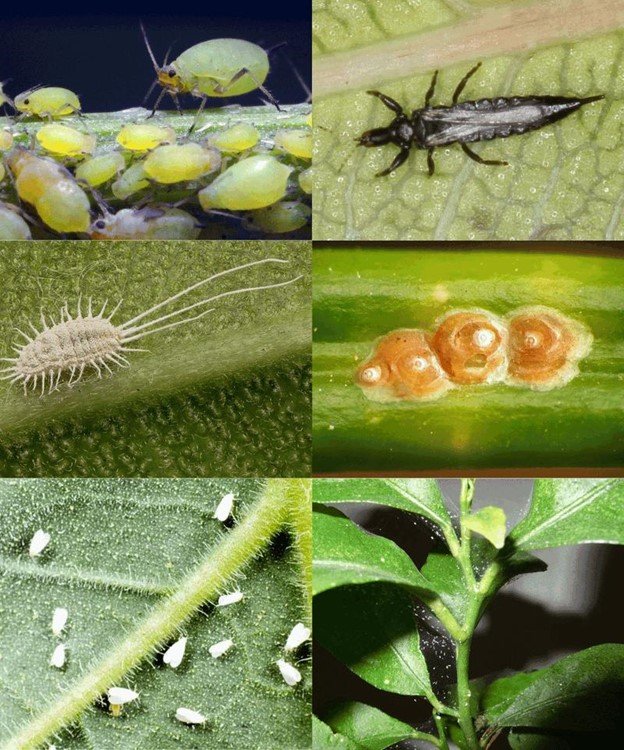
The most common houseplant pests include spider mites, mealybugs, fungus gnats, aphids, scale insects, thrips, and whiteflies. Each one creates different symptoms. Spider mites cause stippling and webbing. Mealybugs leave cotton-like residue. Fungus gnats live in moist soil. Aphids cluster on new growth. Scale insects create hard bumps on stems, while thrips cause silvery scarring.
These pests commonly attack indoor favorites like Monstera deliciosa, Pothos, Peace Lily, and Philodendron because these plants offer soft tissue and consistent moisture.
Common pest damage includes:
- Yellow leaves
- Drooping stems
- Sticky residue
- Leaf distortion
- Slow growth
- Root decline
Recognizing pest patterns early is critical. A weak plant is easier for pests to attack, but a healthy plant can also become infested through new plant introductions, contaminated soil, or open windows.
Understanding pest types is the first step in choosing the right treatment.
How Do You Identify Spider Mites on Houseplants?
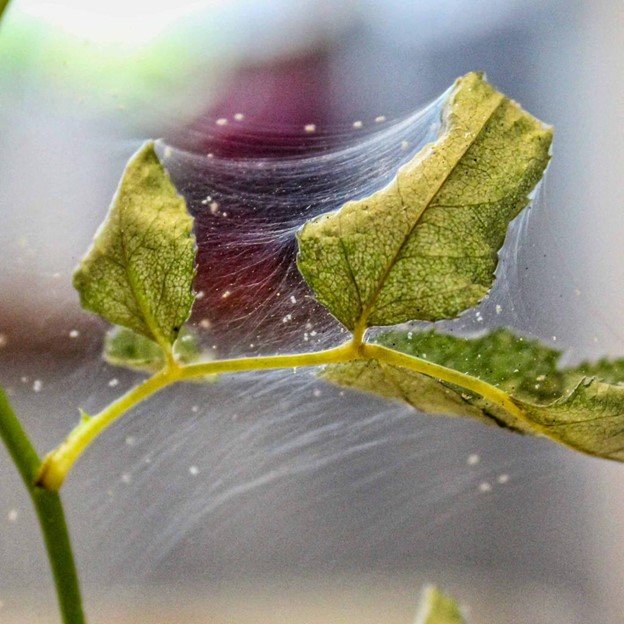
Spider mites are one of the most destructive indoor plant pests because they reproduce extremely fast and are difficult to see without close inspection. These microscopic pests feed by piercing leaf cells and sucking out plant fluids. Dry indoor air, especially during winter, makes conditions ideal for infestation.
The earliest sign of spider mites is small yellow or pale dots on leaves. These dots are feeding scars where chlorophyll has been removed. As the infestation grows, leaves develop bronzing, dryness, and curling. Fine webbing often appears under leaves or between stems.
Plants commonly attacked include:
- Alocasia
- Calathea
- Croton
Spider mite signs include:
- Tiny yellow spots
- Fine silk webbing
- Dry crispy leaves
- Leaf discoloration
- Tiny moving specks
Treatment steps:
- Isolate the plant immediately
- Wash leaves under water
- Spray neem oil thoroughly
- Apply insecticidal soap
- Increase humidity
Spider mites hatch quickly, so treatment must be repeated every 5–7 days. Missing one cycle allows them to rebuild their population.
Humidity control is one of the strongest prevention methods.
What Do Mealybugs Look Like on Indoor Plants?
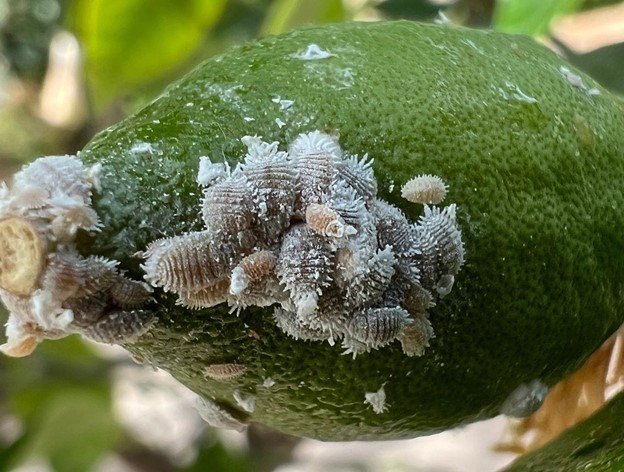
Mealybugs are soft-bodied pests covered in a white waxy coating that looks like cotton. They usually gather in leaf joints, stem nodes, and hidden crevices where they feed on plant sap. Their feeding weakens plant structure and slows growth.
The most obvious sign is white cottony clusters attached to stems or leaf bases. They also produce honeydew, a sticky substance that can attract mold growth. Leaves often yellow and fall prematurely during infestation.
Plants frequently affected:
- Hoya
- Succulent
- Jade plant
Signs of mealybugs:
- White fuzzy masses
- Sticky leaves
- Yellowing foliage
- Mold growth
- Weak stems
Treatment options:
- Remove bugs manually with alcohol
- Spray neem oil
- Use insecticidal soap
- Inspect roots for root mealybugs
Mealybugs hide deeply, making repeated inspection important. Root mealybugs are especially dangerous because they attack below the soil surface and remain hidden until the plant declines.
Quarantining infected plants prevents rapid spread.
Why Are Fungus Gnats in Houseplant Soil?
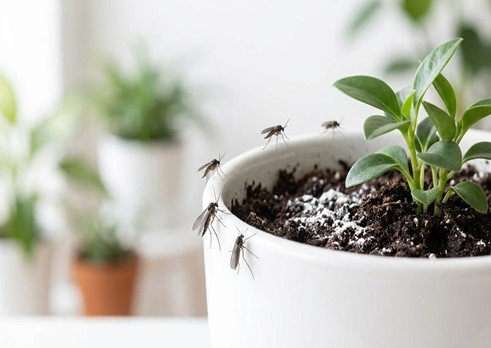
Fungus gnats are one of the most common signs of overwatering. Adult fungus gnats are small black flying insects often seen around soil or pots. While adults are mostly annoying, their larvae feed on roots and organic matter in wet soil.
Constant moisture creates the perfect breeding environment. Eggs hatch in damp conditions, and larvae feed near the root zone. Seedlings and small-rooted plants are especially vulnerable.
Common signs include:
- Small black flies near soil
- Soil staying wet too long
- Yellow leaves
- Weak root growth
- Slow plant recovery
Why fungus gnats appear:
- Overwatering
- Poor drainage
- Dense potting mix
- Organic matter breakdown
Treatment methods:
- Allow soil to dry
- Use sticky traps
- Apply hydrogen peroxide drench
- Add beneficial nematodes
Plants affected most:
- Snake Plant
- Pothos
- ZZ Plant
Improving watering habits solves most fungus gnat problems.
How Do Aphids Damage Houseplants?
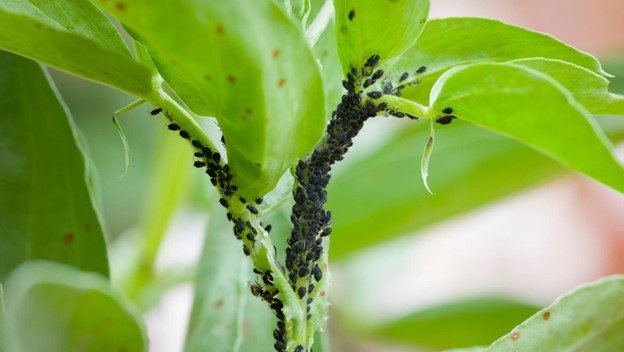
Aphids are small soft-bodied insects that attack fresh growth. They multiply extremely fast and often gather in visible clusters on stems, buds, and young leaves. Aphids feed by sucking sap, which weakens plant tissue and distorts new growth.
They come in different colors including green, black, yellow, and brown. Their feeding reduces plant energy and can create sticky honeydew.
Signs of aphids:
- Curled leaves
- Sticky leaf surfaces
- Visible clusters
- Weak buds
- Deformed new growth
Plants commonly affected:
- Hibiscus
- Rose
- Coleus
Treatment options:
- Blast off with water
- Spray insecticidal soap
- Apply neem oil
- Remove heavily infested shoots
Aphids are easier to treat than scale or thrips because they are exposed and vulnerable. However, ignoring them can cause fast colony growth.
Regular leaf checks help stop infestations early.
How Do Scale Insects Affect Indoor Plants?
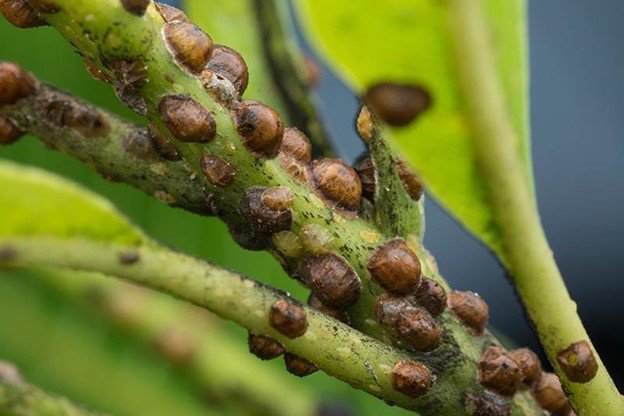
Scale insects are difficult pests because they attach themselves to stems and leaves under hard protective shells. Many plant owners mistake them for natural bumps or growths. They feed by sucking plant sap and slowly weaken the plant.
Scale insects often appear as brown, tan, or black raised bumps. Unlike aphids or mealybugs, they do not move much once attached.
Common symptoms:
- Yellow leaves
- Sticky residue
- Weak stems
- Leaf drop
- Slow growth
Plants often attacked:
- Ficus
- Citrus
- Rubber Plant
Treatment steps:
- Scrape off manually
- Use alcohol on visible pests
- Apply horticultural oil
- Repeat weekly
Scale requires patience because eggs may survive after treatment.
Ignoring scale often leads to long-term plant stress.
What Damage Do Thrips Cause on Houseplants?
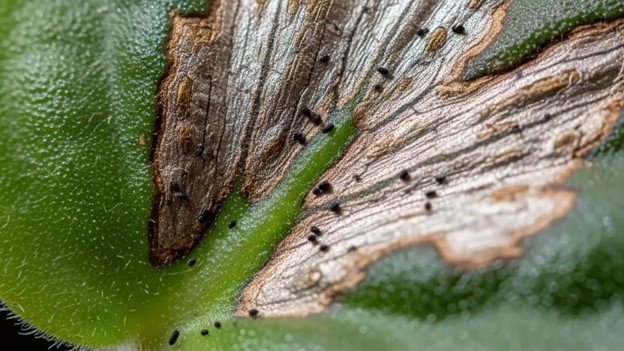
Thrips are thin, fast-moving insects that scrape plant surfaces and suck out fluids. Their feeding creates silvery scars, distorted leaves, and black droppings. Thrips are especially dangerous because they spread quickly and can move between plants.
They often hide inside leaf folds and flowers.
Signs of thrips:
- Silver leaf streaks
- Black dots
- Brown scars
- Distorted growth
- Leaf curling
Plants commonly affected:
- Monstera deliciosa
- Philodendron
- Peace Lily
Treatment:
- Isolate immediately
- Remove damaged leaves
- Use insecticidal soap
- Apply spinosad
Thrips are persistent and may need multiple treatment cycles.
Fast action is necessary to control spread.
What Is the Best Natural Treatment for Houseplant Pests?
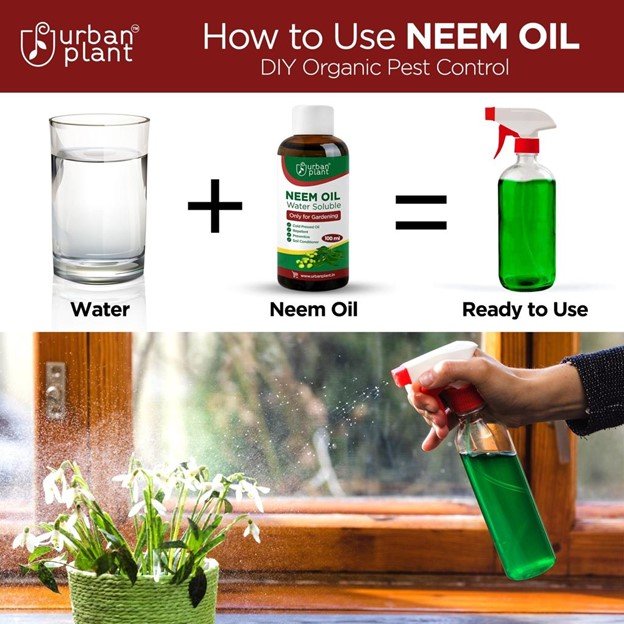
Natural pest treatments work well when infestations are caught early. They are safer for indoor environments and can be repeated regularly.
Popular natural treatments include neem oil, insecticidal soap, rubbing alcohol, sticky traps, and diluted hydrogen peroxide.
Best natural solutions:
Neem Oil
Best for:
- Spider mites
- Aphids
- Mealybugs
- Scale
Benefits:
- Organic
- Broad coverage
- Preventive use
Insecticidal Soap
Best for:
- Aphids
- Thrips
- Spider mites
Benefits:
- Fast contact kill
- Easy application
Alcohol Treatment
Best for:
- Mealybugs
- Scale
Benefits:
- Immediate spot treatment
Natural treatments work best when combined with environmental corrections.
How Do You Prevent Houseplant Pests?
Prevention is easier than treatment because pest populations are smaller or nonexistent. Most infestations begin when new plants are introduced or care conditions weaken plant immunity.
Strong prevention habits reduce risk significantly.
Best prevention methods:
- Quarantine new plants for 2–3 weeks
- Check leaves weekly
- Avoid overwatering
- Improve airflow
- Clean leaves regularly
- Remove dead plant matter
Environmental prevention:
- Keep humidity balanced
- Use proper drainage
- Avoid crowded plant setups
- Inspect nursery plants carefully
Healthy plants resist pests better because they maintain stronger tissue and better recovery.
Prevention is long-term pest management.
Houseplant Pest Treatment Comparison Table
Different pests need different treatments. Using the wrong treatment wastes time and allows infestation growth.
| Pest | Main Symptom | Best Treatment |
| Spider mites | Webbing | Neem oil + humidity |
| Mealybugs | Cotton clusters | Alcohol + neem |
| Fungus gnats | Flying soil insects | Dry soil + traps |
| Aphids | Leaf clusters | Soap spray |
| Scale | Brown bumps | Manual removal |
| Thrips | Silver scarring | Spinosad |
Quick treatment selection saves plant health.
Use this table for fast diagnosis and action.
Frequently Asked Questions
Can houseplants recover after pest infestations?
Yes. Early treatment helps plants recover fully.
How often should neem oil be applied?
Every 5–7 days until pests disappear.
Can I use dish soap for pests?
Special insecticidal soap is safer for plants.
Why do pests keep returning?
Eggs may survive treatment, or conditions remain favorable.
Should infected plants be isolated?
Yes. Isolation reduces spreading.
Are pests more common indoors?
Yes. Stable indoor environments support reproduction.
Myra is the founder and lead writer of Plantsaholic. She shares practical, research-backed advice on indoor plants, outdoor gardening, flowers, herbs, succulents, and everyday plant care. Her goal is to help gardeners of all experience levels grow healthier plants through simple, easy-to-follow gardening guides.