Dry soil, drooping or soft leaves, lighter pot weight, and slower growth are the most reliable signs your plant needs water.
Plants communicate water stress through a combination of soil condition and physical behavior, not just one visible symptom. When roots cannot access enough moisture, the plant reduces internal pressure, leading to drooping, curling, and slowed growth. The key is to detect early-stage stress—not wait until damage becomes visible. This is where many beginners fail: they react to severe symptoms instead of subtle early signals.
From a practical standpoint, your goal is to build a multi-signal confirmation system. One sign alone is unreliable. For example, drooping leaves could mean underwatering or overwatering. But when combined with dry soil and a lighter pot, the diagnosis becomes clear. This layered observation method increases accuracy and prevents both common watering mistakes.
Reliable signs to confirm before watering:
- Soil feels dry 1–2 inches deep
- Leaves droop slightly or feel soft
- Pot weight is noticeably lighter
- Soil pulls away from pot edges
- Growth slows or pauses
Deeper insight:
Plants prioritize survival over appearance. Early dehydration signals are subtle because the plant is conserving resources. Learning to recognize these early indicators gives you control over plant health and prevents long-term stress cycles.
Should You Water Your Plant Now or Wait? (Simple Decision Guide)
Water your plant only when soil is dry at the root level—not just when it looks dry.
Most plant problems come from hesitation or guesswork at this exact decision point. Beginners either water too early out of fear or wait too long hoping the plant “recovers.” The correct approach is a simple layered decision system that removes uncertainty. You should not rely on just one signal—use a combination of soil dryness, plant posture, and pot weight.
In real indoor setups, especially under AC or artificial lighting, plants dry unpredictably. A pothos in bright light may need water in 5 days, while the same plant in low light may need 12 days. That’s why decision logic must be dynamic, not fixed.
Use this decision framework every time:
- If soil is dry (1–2 inches deep) → water now
- If soil is slightly moist → wait 1–2 days
- If soil is wet → do NOT water
- If leaves droop but soil is wet → check for overwatering
- If pot feels light + soil dry → water deeply
Deeper insight:
Watering is not about timing—it’s about readiness. Plants don’t operate on schedules; they operate on environmental conditions. This decision framework eliminates overwatering risk and improves long-term plant stability.
How do you check soil moisture correctly?
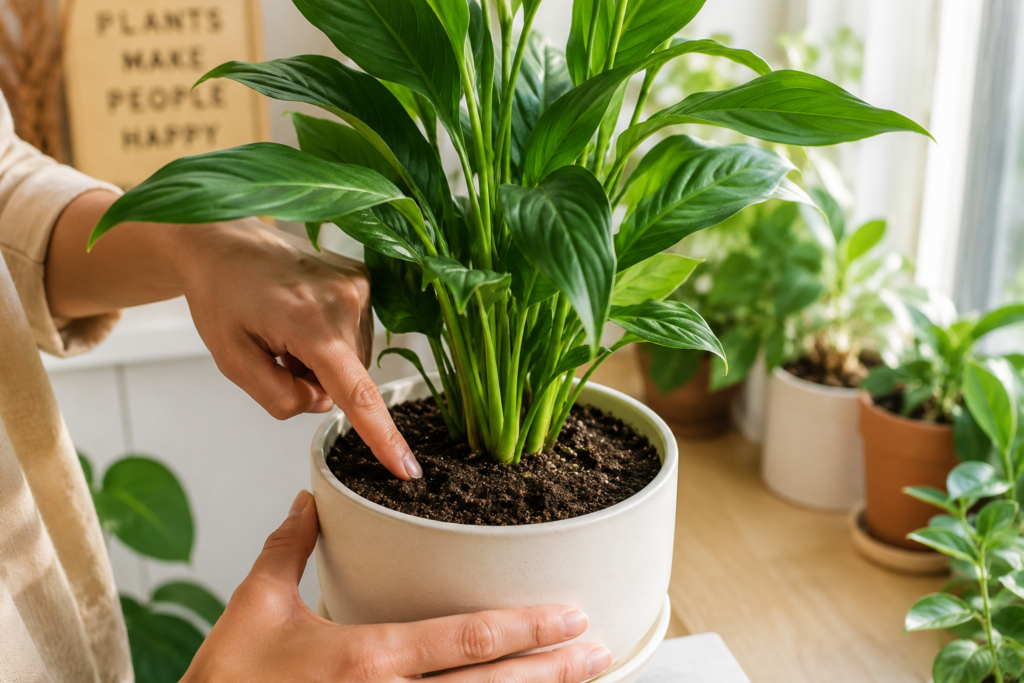
Insert your finger 1–2 inches into the soil. If it feels dry, water. If it feels moist, wait.
Soil moisture testing is the foundation of proper watering. Most watering mistakes come from relying on surface dryness or fixed schedules instead of checking the root zone. The top layer of soil dries quickly due to air exposure, but deeper layers may still contain enough moisture to sustain the plant. This is why surface-level checks often lead to overwatering.
The most effective approach is combining depth-based testing with consistency. When you check the same depth every time, you build a reliable watering pattern. Over time, this becomes intuitive, and you’ll need less effort to make accurate decisions.
Checking soil moisture helps you know when to water, but it doesn’t always tell you if you’ve already made a watering mistake—this detailed comparison explains how to identify overwatering vs underwatering.
Best methods to check soil moisture:
- Finger test (most reliable and immediate)
- Wooden stick/skewer test (visual confirmation)
- Moisture meter (high accuracy for beginners)
Real-world application:
In a typical indoor environment, a pothos plant may appear dry on top within 2 days but still retain moisture underneath for up to a week. Watering based only on surface dryness would slowly damage roots. This is why deeper soil testing is essential.
Decision clarity:
Always test below the surface. Watering decisions should be based on root-zone moisture, not visual guesswork.
How Dry Should Soil Be Before Watering?
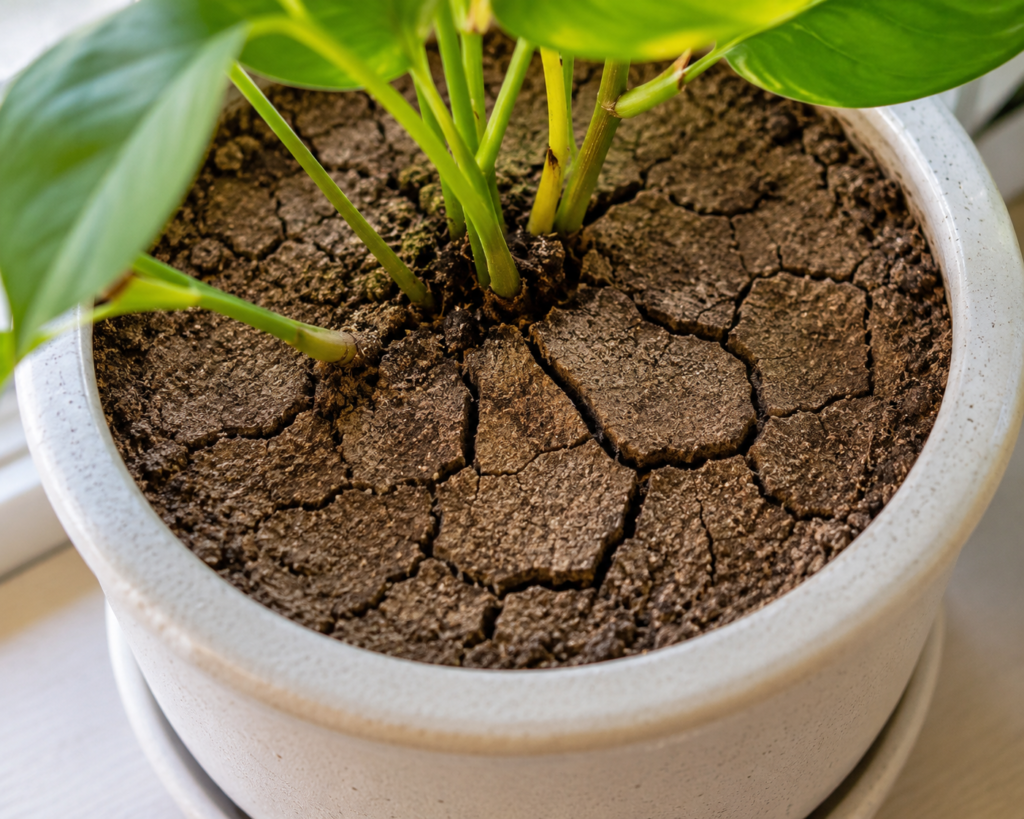
Most plants should be watered when the top 1–2 inches of soil are completely dry.
The concept of “dry soil” is often misunderstood. Soil should not be bone dry throughout the entire pot for most plants—only the upper root zone should dry before watering again. This allows roots to access oxygen while still maintaining deeper moisture levels. Over-drying the entire pot can stress roots and slow growth.
Different plants require different dryness levels before watering. Tropical plants prefer partial drying, while succulents require deeper drying. Understanding this difference is critical for preventing both root rot and dehydration.
Dryness levels by plant type:
- Tropical plants → top 1–2 inches dry
- Succulents → 80–100% soil dry
- Snake plant/ZZ plant → almost fully dry
- Ferns → slightly dry, not completely
Real-world clarity:
In an AC room, soil dries faster at the top but stays moist deeper. If you water too early, roots remain constantly wet. If you wait too long, roots shrink. The goal is balance—not extremes.
Decision clarity:
Water when the root zone begins drying—not when the entire pot is dry.
Why is pot weight one of the most accurate indicators?
A dry pot is significantly lighter than a watered pot, making weight a fast and reliable indicator.
Pot weight is one of the most underrated yet powerful techniques in plant care. Unlike visual signs, weight directly reflects the amount of water present in the soil. After watering, the pot becomes heavier due to absorbed moisture. As the plant uses water and evaporation occurs, the weight gradually decreases.
The advantage of this method is speed. Once you become familiar with your plant’s “wet vs dry” weight, you can assess watering needs instantly without touching the soil. This is especially useful for managing multiple plants or maintaining consistency in care routines.
How to use the weight method effectively:
- Lift the pot immediately after watering (baseline weight)
- Lift again after a few days
- Compare the difference to determine dryness
Best use cases:
- Medium to large plants
- Growers with multiple pots
- Situations where soil testing is difficult
Limitations:
- Small pots show less noticeable difference
- Decorative heavy pots may reduce sensitivity
Deeper insight:
This method works because water has measurable mass. As moisture decreases, the internal structure of the soil becomes more air-filled, reducing overall weight. Over time, your brain builds a reference system, making this one of the fastest decision tools.
Do leaves always droop when a plant needs water?
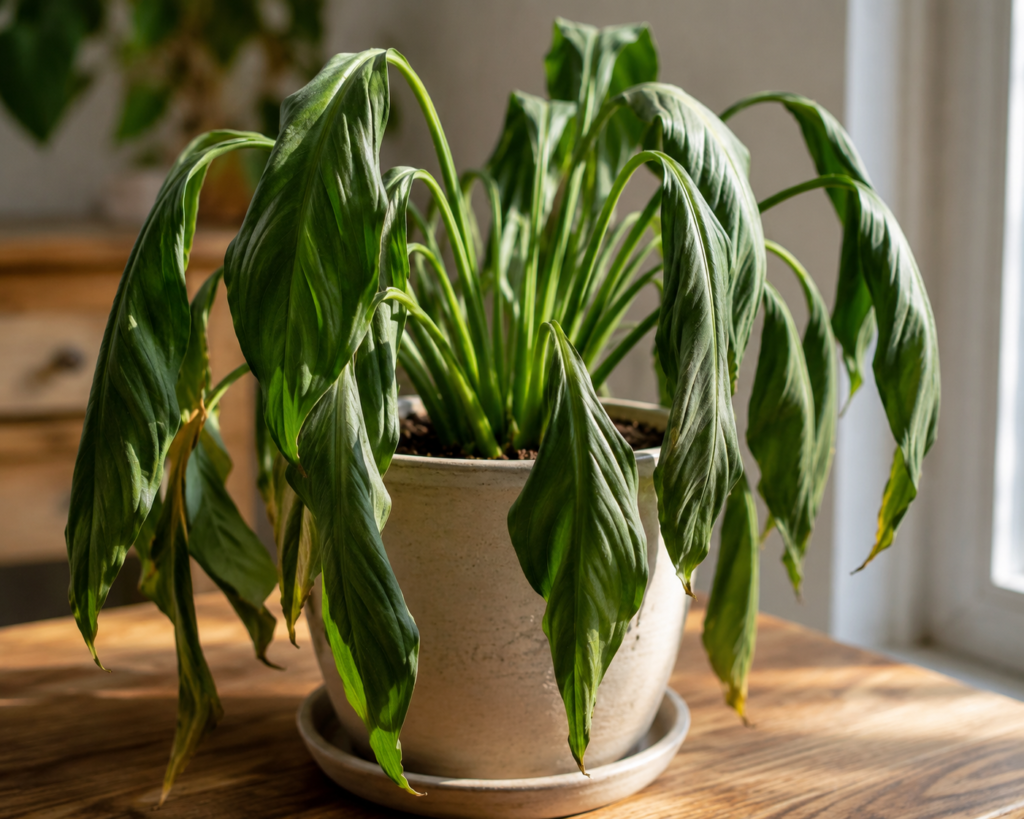
No. Drooping is common but not universal—and it can also indicate overwatering.
Leaf drooping is caused by a loss of internal water pressure, but this condition can occur in both underwatered and overwatered plants. This is why relying on leaf appearance alone is one of the biggest mistakes beginners make. Proper diagnosis requires combining leaf behavior with soil condition.
When a plant is underwatered, leaves become soft, flexible, and slightly curled. In contrast, overwatered plants often show drooping along with yellowing and mushy stems. Understanding this difference is essential for accurate care.
How to interpret leaf behavior:
- Dry soil + drooping = underwatering
- Wet soil + drooping = overwatering
- Yellowing leaves = excess water
- Wrinkling (succulents) = dehydration
Plant-specific variations:
- Succulents wrinkle instead of droop
- Snake plants soften slowly
- Ferns develop crispy edges
Deeper insight:
Plants respond to water imbalance by reducing structural support in leaves. This is a protective mechanism, not just a symptom. Learning to interpret these signals helps you respond before irreversible damage occurs.
Underwatering vs Overwatering: Quick Comparison Guide
Underwatering shows dry soil and soft drooping leaves, while overwatering shows wet soil and yellowing, weak leaves.
This is one of the most important distinctions in plant care. Many people misinterpret drooping as a sign of thirst and end up overwatering already stressed plants. The only reliable way to differentiate is by combining soil condition with plant symptoms.
Understanding this difference saves plants from the most common fatal mistake—watering an already overwatered plant. Once roots are damaged by excess moisture, adding more water accelerates decline.
Key comparison:
| Condition | Soil | Leaves | Action |
| Underwatering | Dry | Droopy, soft | Water immediately |
| Overwatering | Wet | Yellow, weak | Stop watering |
| Balanced | Slightly moist | Firm | Maintain routine |
Additional signals:
- Underwatered plants recover quickly after watering
- Overwatered plants recover slowly
- Root smell (musty) indicates overwatering
Decision clarity:
Never water based on leaf drooping alone—always confirm with soil.
How does plant type affect watering signals?
Different plants show thirst differently depending on their water storage and structure.
Plant type plays a critical role in how watering signals appear. Tropical plants, succulents, and hardy species all have different internal water management systems. Understanding these differences allows you to interpret signals accurately and avoid overgeneralization.
Tropical plants rely on consistent moisture and respond quickly to dehydration. Succulents store water internally and show delayed signs. Hardy plants tolerate drought but still require periodic watering.
Plant behavior by category:
- Tropical plants → fast drooping, need consistent moisture
- Succulents → wrinkling, need infrequent watering
- Hardy plants → slow response, drought-tolerant
- Ferns → crisp edges, humidity-sensitive
Real-world example:
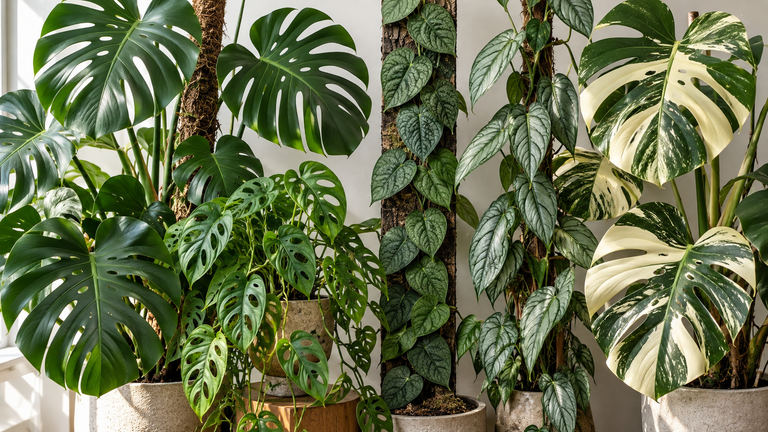
A monstera may droop within days of dryness, while a snake plant can remain stable for weeks before showing stress. Treating both the same leads to incorrect watering.
Decision clarity:
Always adjust watering based on plant type. There is no universal watering rule.
How Do Environment and Pot Type Affect Watering Needs?
Light, airflow, pot size, and pot material directly affect how quickly soil dries.
Plant care does not happen in isolation—environment plays a major role. Two identical plants can have completely different watering needs depending on their surroundings. Air conditioning, sunlight exposure, and even pot material can significantly change drying speed.
For example, terracotta pots dry faster because they allow moisture to escape through their walls, while plastic pots retain water longer. Similarly, plants placed near windows dry faster than those in shaded corners.
Environmental factors affecting watering:
- High light → faster drying
- AC airflow → increased evaporation
- Low humidity → quicker moisture loss
- Large pots → retain moisture longer
- Small pots → dry quickly
Pot material impact:
- Terracotta → fast drying
- Plastic → slow drying
- Ceramic (glazed) → moderate
Real-world insight:
A plant in a small terracotta pot near a window may need water twice as often as the same plant in a large plastic pot in low light.
Decision clarity:
Always adjust watering based on environment—not just plant type.
When should you NOT water your plant?
Do not water if the soil is still moist—even if the plant looks weak.
Overwatering is more dangerous than underwatering because it damages roots directly. Roots need oxygen to function, and excess water blocks airflow, leading to suffocation and rot. Many plant deaths occur not from neglect but from excessive care.
The challenge is that overwatering symptoms often look similar to underwatering. This creates confusion and leads to repeated mistakes. The solution is simple: always confirm soil dryness before watering.
Avoid watering when:
- Soil feels damp below the surface
- Pot feels heavy
- Leaves are yellowing
- Drainage is poor
Deeper insight:
Water is not just hydration—it affects oxygen balance in soil. Too much water removes air pockets, creating conditions where roots cannot breathe. This is why controlled watering is more important than frequent watering.
What is the best watering schedule for houseplants?
There is no universal schedule. Most plants need water every 7–14 days, but conditions vary.
Schedules fail because they ignore environmental variables. Indoor conditions change constantly, affecting how quickly soil dries and how much water plants consume. A fixed schedule may work temporarily but eventually leads to imbalance.
The correct approach is observation-based watering. Instead of asking “how often,” ask “is the plant ready for water?” This shift improves long-term plant health.
Factors affecting watering frequency:
- Light intensity
- Temperature
- Humidity
- Pot size
- Soil type
- Plant species
Deeper insight:
Watering is dynamic, not static. Plants adapt to their environment, and your watering routine must adapt as well.
Morning vs Evening: When Is the Best Time to Water Plants?
Morning is the best time to water plants because it allows proper absorption and reduces risk of fungal issues.
Timing matters more than most people think. Watering in the morning aligns with the plant’s natural cycle. Plants absorb water during the day when light is available, and evaporation helps maintain proper soil balance. Evening watering, on the other hand, can leave soil wet overnight, increasing the risk of root rot and fungal growth.
In controlled indoor environments, timing is slightly more flexible, but morning watering still offers the safest and most consistent results. Especially in humid conditions or poorly ventilated rooms, night watering can trap moisture in the soil for too long.
Best watering timing practices:
- Morning (ideal) → supports active growth
- Afternoon → acceptable in dry environments
- Night → avoid if possible
Situational exceptions:
- Extremely hot climates → early morning required
- Fast-drying soil → afternoon may work
- Low-light rooms → less strict timing needed
Deeper insight:
Watering is not just about hydration—it’s about moisture balance over time. Morning watering ensures that excess moisture evaporates naturally, reducing long-term soil saturation risks.
How do seasons change watering needs?
Plants need more water in summer and less in winter due to growth cycles.
Seasonal changes affect plant metabolism. During active growth periods, plants absorb more water. During dormancy or slower growth phases, water demand decreases significantly.
Ignoring seasonal changes is a common mistake that leads to overwatering in winter and underwatering in summer.
Seasonal adjustments:
- Summer → frequent watering
- Winter → reduced watering
- Spring → gradual increase
- Autumn → gradual decrease
Decision clarity:
Adjust watering based on growth activity, not just temperature.
What are the dangers of watering too early or too late?
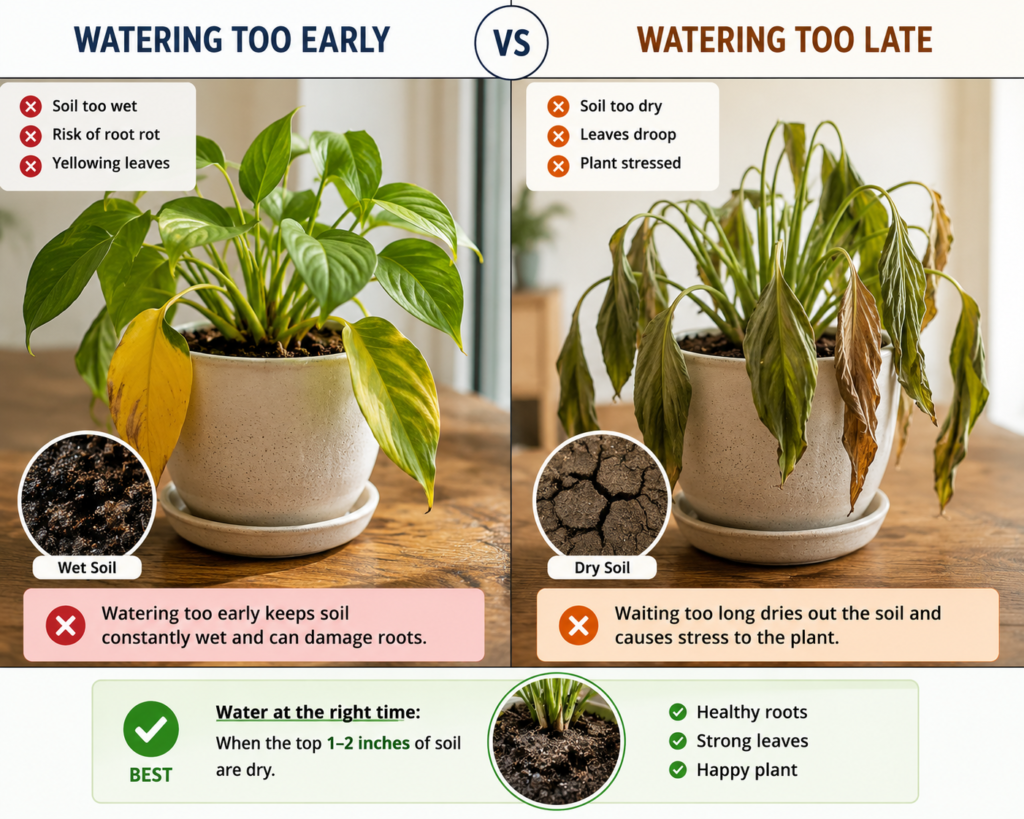
Watering too early causes root rot; watering too late causes dehydration stress.
Timing is critical. Watering too early keeps soil constantly wet, while watering too late stresses the plant and slows growth. The goal is to water at the optimal moment—when soil is dry but before severe stress appears.
Risks of incorrect timing:
- Early watering → root rot, fungal issues
- Late watering → leaf drop, stunted growth
Deeper insight:
Balanced watering supports both hydration and oxygen flow. This balance is the foundation of healthy root systems.
What Happens Inside Roots When Plants Need Water?
When plants lack water, roots shrink and reduce nutrient uptake, while excess water suffocates roots.
Watering decisions directly affect root health. Roots are responsible for absorbing water, nutrients, and oxygen. When soil is too dry, roots shrink and lose efficiency. When soil is too wet, roots cannot access oxygen and begin to rot.
This internal root behavior explains why both underwatering and overwatering can lead to similar visible symptoms. The difference lies in what is happening below the surface.
Root-level effects:
- Dry soil → roots shrink and slow growth
- Wet soil → roots suffocate and rot
- Balanced moisture → healthy root expansion
Long-term impact:
- Repeated dryness → weak root system
- Constant moisture → root decay
- Balanced cycles → strong plant growth
Deeper insight:
Healthy plants depend more on root conditions than leaf appearance. If roots are stable, the plant thrives. If roots fail, no amount of watering can fix the plant.
Decision clarity:
Watering is not about leaves—it’s about maintaining a healthy root environment.
How to water your plant properly once it needs water?
Water deeply until excess drains out of the bottom.
Proper watering ensures the entire root system receives moisture. Shallow watering leads to weak roots and uneven hydration.
Correct method:
- Water evenly across soil
- Continue until drainage occurs
- Remove excess water
Why deep watering matters:
- Encourages strong root growth
- Prevents salt buildup
- Maintains soil balance
Decision clarity:
Water less often but more thoroughly.
Quick Watering Checklist
- Check soil moisture
- Lift pot for weight
- Observe leaf condition
- Confirm dryness below surface
- Water deeply
Mini Case Study: Real-World Insight
A ZZ plant in a low-light office was watered weekly. It began showing yellow leaves and drooping stems.
Problem: Overwatering
Fix: Watered only when soil fully dried (~2–3 weeks)
Result: Plant recovered and resumed growth
Lesson: Watering must match environment—not routine.
FAQ SECTION
How do I know if my plant needs water without touching the soil?
Lift the pot—if it feels light, it likely needs water. You may also notice slight drooping or dull leaves. For accuracy, confirm with a soil check.
How dry should soil be before watering indoor plants?
The top 1–2 inches should be dry for most plants. Succulents need deeper dryness, while tropical plants prefer slight moisture below the surface.
What happens if I water my plant too early?
Watering too early keeps soil constantly wet, leading to root rot. Roots need oxygen, and excess water suffocates them over time.
Should I water my plant as soon as it looks droopy?
Not immediately. Check the soil first. If it’s dry, water it. If it’s wet, the drooping may be due to overwatering.
How can I tell the difference between overwatering and underwatering?
Dry soil with drooping leaves means underwatering. Wet soil with yellowing leaves means overwatering. Always rely on soil condition.
Is it better to water plants in the morning or at night?
Morning is best. It allows proper absorption and reduces the risk of fungal growth caused by overnight moisture.
Does pot material affect how often I should water?
Yes. Terracotta dries faster, while plastic retains moisture longer. Adjust watering based on pot type.
Can I follow a fixed watering schedule for all plants?
No. Watering depends on light, temperature, and plant type. Always check soil instead of following a schedule.
How do I know if my plant has been overwatered?
Look for yellow leaves, soft stems, and consistently wet soil. These are common signs of excess watering.
Do indoor conditions like AC affect watering needs?
Yes. AC dries the air and soil faster, increasing watering frequency.
What is the fastest way to tell if my plant needs water?
Lift the pot. If it feels light, the soil is likely dry and needs watering.
Why are leaves drooping after watering?
This may indicate overwatering or root damage. Always check soil moisture before watering again.
How often should I water plants in summer?
Usually every 5–10 days, depending on light, heat, and humidity levels.
How often should I water plants in winter?
Every 10–20 days, as plant growth slows and water needs decrease.
Do bigger plants need more frequent watering?
Not always. Larger pots retain moisture longer, so they usually need less frequent watering than smaller plants.
Myra is the founder and lead writer of Plantsaholic. She shares practical, research-backed advice on indoor plants, outdoor gardening, flowers, herbs, succulents, and everyday plant care. Her goal is to help gardeners of all experience levels grow healthier plants through simple, easy-to-follow gardening guides.