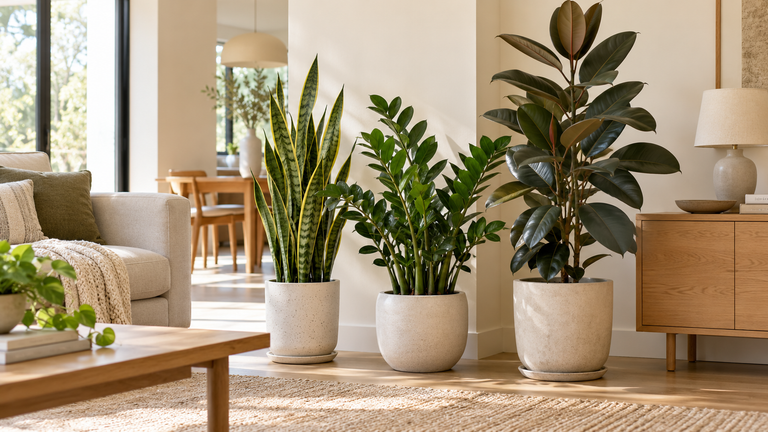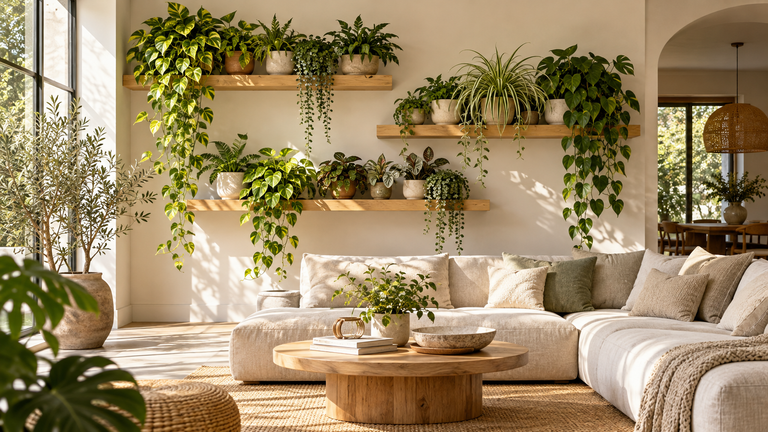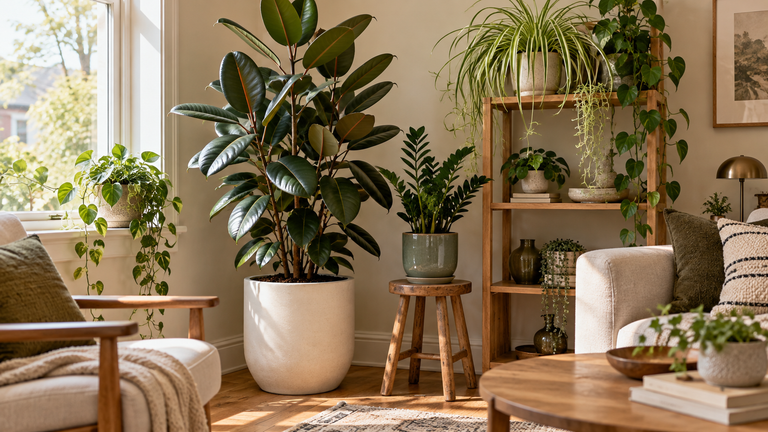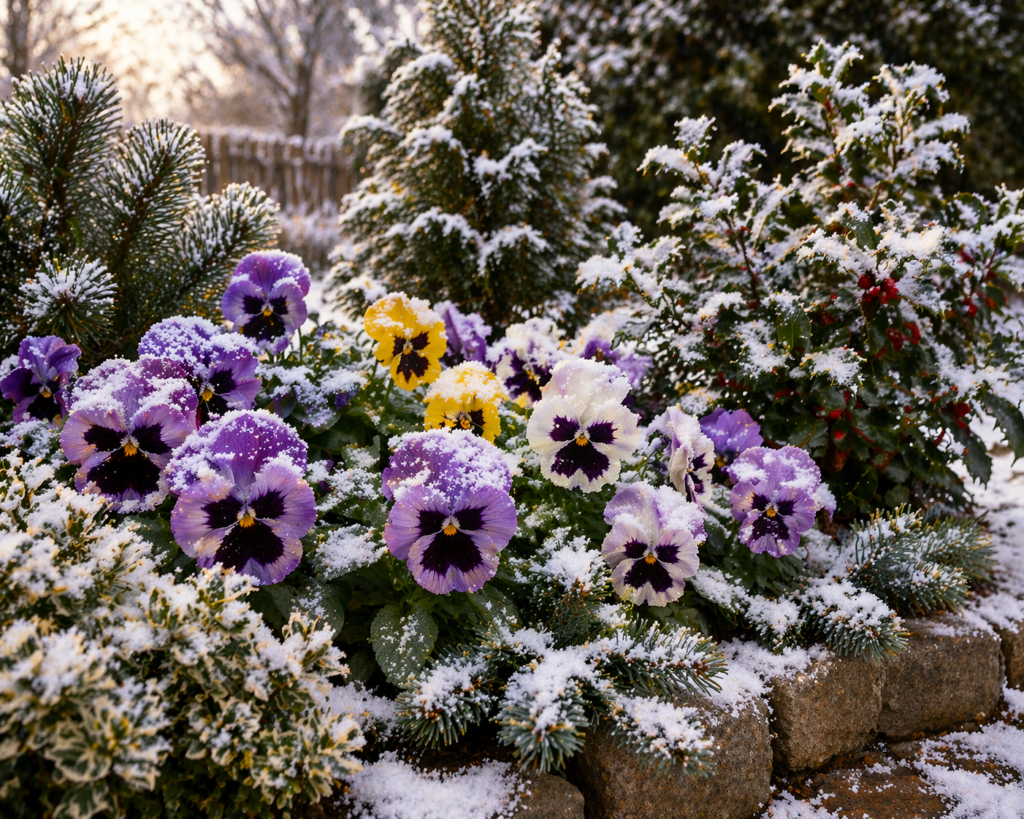
Winter plants are cold-tolerant species that survive or thrive in low temperatures, such as Pansy, Cyclamen, and Hellebore. These plants are adapted to reduced light, slower growth cycles, and colder climates, requiring controlled watering, sufficient light, and protection from extreme frost.
Winter doesn’t mean the end of plant growth. Many species are naturally adapted to colder environments and can continue to grow, flower, or maintain structure when most plants go dormant. With the right selection and care, winter can become an active growing season rather than a pause.
Winter plants are not just about survival. They add color, texture, and life when outdoor landscapes and indoor spaces often feel dull.
What Are Winter Plants?
Winter plants are species that can tolerate, survive, or actively grow in cold weather conditions. These plants are adapted to low temperatures, reduced sunlight, and slower metabolic activity. Some winter plants continue to bloom, while others remain evergreen, maintaining foliage and structure throughout the season.
These plants are widely used in gardens, balconies, and indoor environments to maintain visual appeal during colder months. Their resilience allows them to function effectively even when environmental conditions are less than ideal.
Key characteristics of winter plants:
- Ability to tolerate cold temperatures
- Adaptation to shorter daylight hours
- Slower growth rates
- Resistance to frost or freezing conditions
- Seasonal resilience and stability
Winter plants are designed to operate efficiently in low-energy environments.
Why Some Plants Thrive in Winter
Plants that thrive in winter possess unique biological adaptations that allow them to function in cold environments. One of the key adaptations is the ability to produce compounds that protect cells from freezing damage. These compounds act like natural antifreeze, preventing ice crystals from forming inside plant tissues.
In addition, winter plants reduce their metabolic activity to conserve energy. Instead of focusing on rapid growth, they maintain stability and survival. This allows them to endure conditions that would harm or kill less adapted plants.
Adaptation mechanisms:
- Cold-resistant cell structures
- Reduced water loss
- Efficient use of limited light
- Slower metabolic processes
- Controlled dormancy cycles
These adaptations enable plants to survive and remain functional during winter.
Best Winter Plants
Winter plants come in a variety of forms, from flowering species to evergreen foliage. Choosing the right plants depends on your environment, climate, and aesthetic preferences.
These plants are valued for their ability to provide color and structure during the colder months, making them essential for year-round gardening.
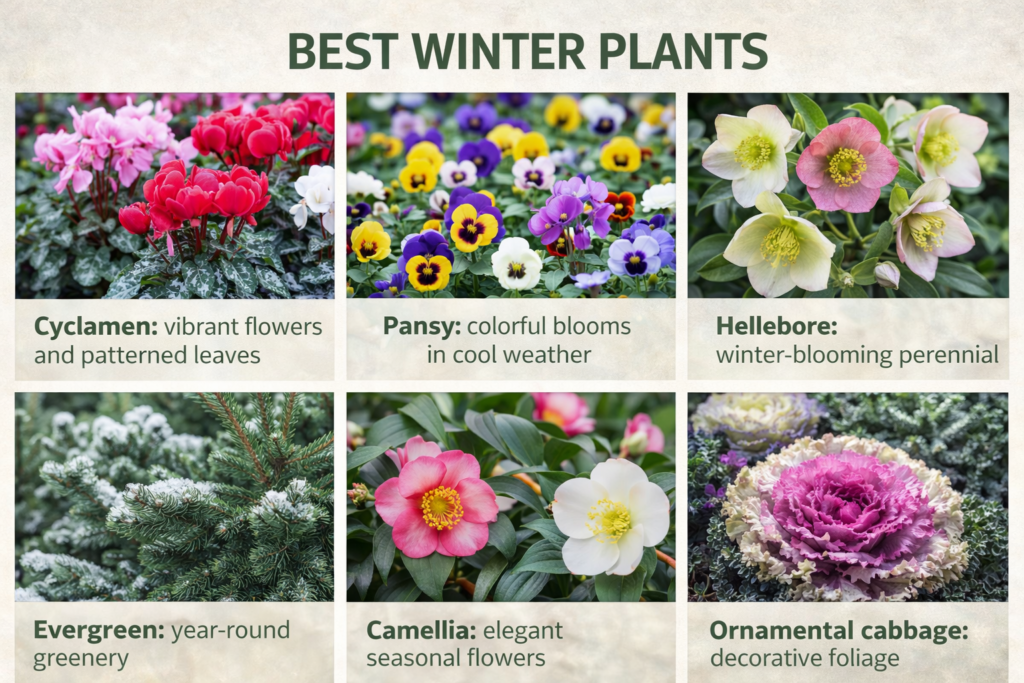
Top winter plants:
- Cyclamen: vibrant flowers and patterned leaves
- Pansy: colorful blooms in cool weather
- Hellebore: winter-blooming perennial
- Evergreen: year-round greenery
- Camellia: elegant seasonal flowers
- Ornamental cabbage: decorative foliage
Each plant offers a different combination of color, structure, and resilience.
Types of Winter Plants (Important for Selection)
Winter plants can be categorized based on how they behave during cold weather. Some continue to grow and flower, while others focus on maintaining structure or entering dormancy.
Understanding these categories helps you select plants that match your climate and desired outcome.
Types of winter plants:
- Flowering winter plants (Pansy, Cyclamen)
- Evergreen plants (maintain foliage)
- Dormant plants (pause growth)
- Frost-resistant perennials
- Cold-hardy annuals
Choosing the right type ensures better performance in winter conditions.
Light Requirements for Winter Plants
Light is one of the most limiting factors during winter due to shorter days and lower sunlight intensity. Even cold-tolerant plants require sufficient light to maintain their health and structure.
Indoor plants often need to be placed closer to windows or supplemented with artificial lighting. Outdoor plants should be positioned in areas that receive maximum sunlight during the day.
Lighting guidelines:
- Maximize available daylight exposure
- Use south-facing windows indoors
- Avoid shaded areas
- Rotate plants for even growth
- Use grow lights if natural light is insufficient
Light availability directly affects plant health and performance in winter.
Watering and Soil Needs
Watering winter plants requires a different approach compared to warmer seasons. Since plant growth slows down, water usage decreases, and soil retains moisture for longer periods.
Overwatering is one of the most common mistakes during winter. It can lead to root rot and other issues if not managed properly.
Watering and soil tips:
- Water less frequently than in summer
- Check soil moisture before watering
- Use well-draining soil
- Avoid waterlogging
- Adjust watering based on temperature
Reduced growth means lower water demand.
How to Protect Plants from Frost
Frost can damage even cold-tolerant plants if conditions become extreme. Protecting plants from frost helps maintain their health and prevents long-term damage.
Simple measures like covering plants or moving them indoors can significantly reduce exposure to freezing temperatures. Mulching also helps insulate roots and maintain soil temperature.
Frost protection methods:
- Cover plants with protective sheets
- Move potted plants indoors
- Apply mulch around roots
- Avoid watering before freezing temperatures
- Provide wind protection
Protection ensures survival during extreme cold conditions.
Common Problems and Fixes
Winter plants can face several challenges due to environmental changes. Most issues are related to light, water, or temperature fluctuations.
Identifying these problems early helps prevent long-term damage and keeps plants healthy.
Common problems:
- Frost damage from extreme cold
- Yellowing leaves from overwatering
- Slow growth due to low light
- Root rot from poor drainage
- Leaf drop from environmental stress
Fixes:
- Adjust watering routine
- Improve light conditions
- Protect plants from frost
- Use proper soil mix
- Maintain stable environment
Most issues can be solved by restoring balance in care conditions.
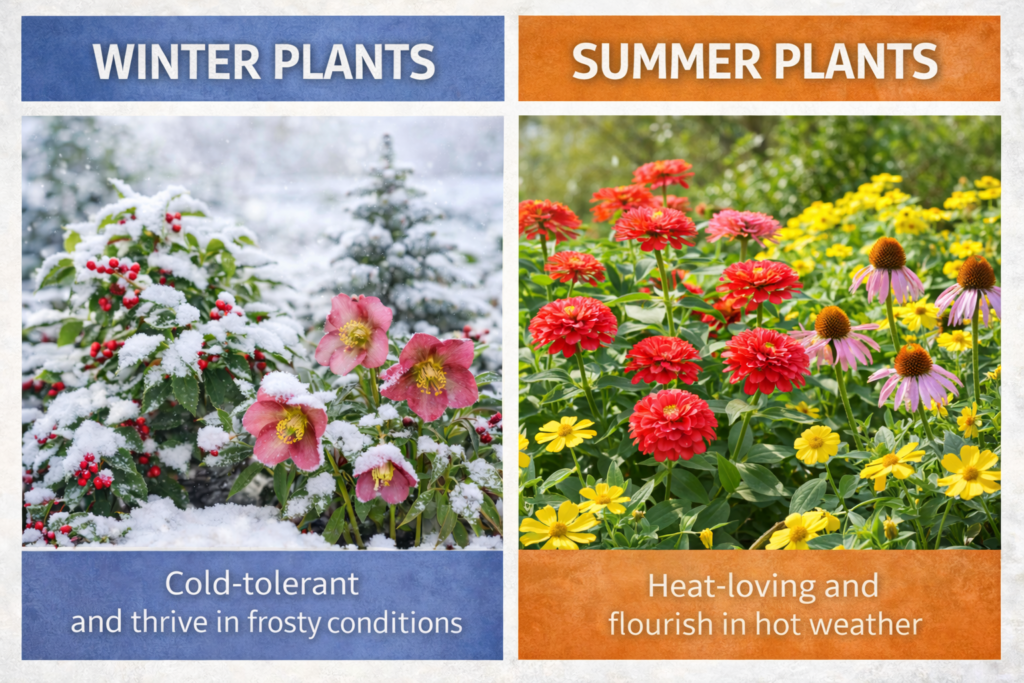
Winter Plants vs Summer Plants
Winter plants differ significantly from summer plants in how they grow and respond to environmental conditions. While summer plants thrive in warmth and strong light, winter plants are adapted to cooler, lower-energy environments.
This difference affects everything from growth rate to watering needs and overall care approach.
Comparison insights:
- Winter plants tolerate cold temperatures
- Summer plants require warmth
- Winter growth is slower
- Summer growth is faster
- Water needs are lower in winter
Understanding these differences helps adjust care strategies effectively.
Are Winter Plants Beginner-Friendly?
Many winter plants are suitable for beginners because they are naturally resilient and adapted to challenging conditions. However, understanding seasonal care adjustments is essential for success.
Starting with hardy plants allows beginners to learn without facing major challenges. As experience grows, more complex plants can be introduced.
Beginner tips:
- Start with easy-care species
- Focus on proper lighting
- Maintain consistent watering
- Avoid overcomplicating care
- Observe plant behavior regularly
Experience helps improve long-term success with winter plants.
Cold Hardiness Zones Explained (How to Choose Plants)
Cold hardiness zones are a system used to classify regions based on their average minimum winter temperatures. Understanding these zones helps you select winter plants that can survive in your specific climate. While the USDA zone system is commonly used, the core idea applies globally, temperature tolerance determines plant survival.
Each plant has a minimum temperature threshold. If temperatures drop below that level, the plant may suffer damage or die. Choosing plants that match or exceed your local winter conditions ensures better survival and performance.
How to use hardiness zones:
- Identify your region’s lowest winter temperature
- Select plants rated for equal or colder conditions
- Avoid plants outside your temperature range
- Consider microclimates (balcony, indoor, garden)
- Use local climate data for accuracy
Matching plants to climate is the first step to winter success.
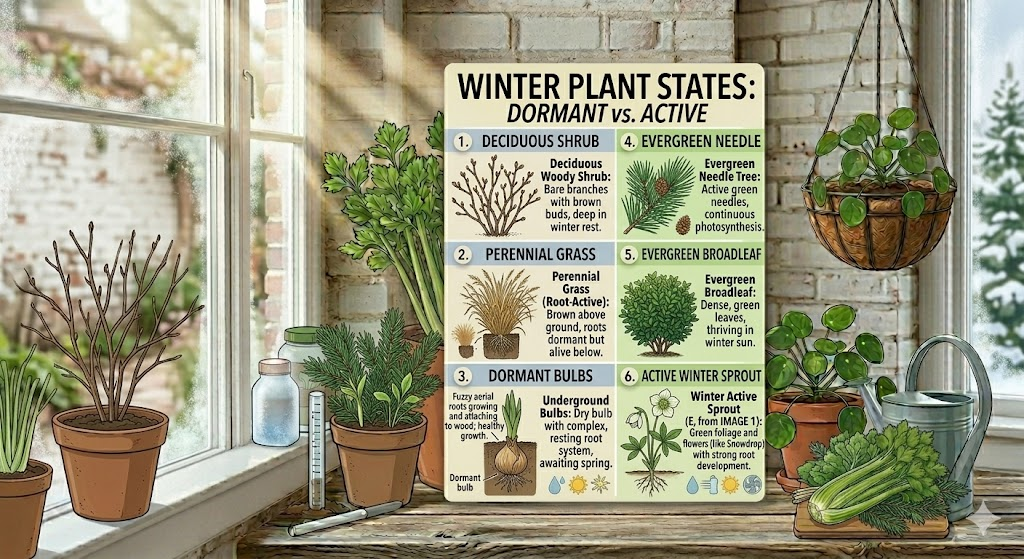
Dormant vs Active Winter Plants (How to Identify)
Not all winter plants behave the same. Some continue growing and flowering, while others enter dormancy, a resting phase where growth slows or stops. Understanding this difference prevents unnecessary concern and improper care.
Dormant plants may lose leaves or appear inactive, but they are conserving energy for future growth. Active winter plants, on the other hand, continue to produce flowers or maintain foliage throughout the season.
How to identify plant behavior:
- Dormant plants show little or no growth
- Active plants continue producing leaves or flowers
- Leaf drop can indicate dormancy, not death
- Growth resumes in warmer conditions
- Care requirements differ based on state
Knowing the plant’s state helps you adjust care correctly.
How to Keep Plants Growing in Winter
While many plants slow down in winter, it is possible to maintain growth with the right adjustments. The key is to compensate for reduced natural light and lower temperatures.
Providing additional light and maintaining stable indoor conditions can help plants continue growing. However, growth will still be slower compared to warmer seasons due to natural biological limitations.
Ways to support winter growth:
- Increase light exposure using grow lights
- Maintain stable indoor temperatures
- Avoid sudden environmental changes
- Provide moderate humidity
- Rotate plants for even growth
Growth in winter is possible with controlled conditions.
Indoor Winter Plant Care (Heating + Dry Air Issues)
Indoor environments during winter can be challenging for plants. Heating systems reduce humidity and create dry air, which can stress plants and affect their health.
In addition, temperature fluctuations near windows can expose plants to cold drafts or sudden changes. Managing these factors is essential for maintaining plant stability indoors.
Indoor care strategies:
- Increase humidity using trays or humidifiers
- Keep plants away from heating vents
- Avoid placing plants directly against cold windows
- Maintain consistent temperature
- Group plants to create a microclimate
Indoor winter care focuses on reducing environmental stress.
Why Roots Are More Vulnerable Than Leaves
Roots are more sensitive to cold than leaves because they are directly exposed to soil temperature. While leaves can tolerate some frost, roots can be damaged quickly if the soil freezes.
This is especially important for potted plants, where soil temperature changes more rapidly than in the ground. Protecting roots is critical for plant survival during winter.
Root protection insights:
- Soil freezes faster than air
- Roots lack protective structures
- Potted plants are more vulnerable
- Mulching helps insulate roots
- Moving pots indoors prevents freezing
Root health determines overall plant survival.
Should You Fertilize Winter Plants?
Fertilization during winter depends on the plant’s growth stage. Active plants may benefit from light feeding, while dormant plants should not be fertilized because they are not actively using nutrients.
Over-fertilizing during winter can lead to salt buildup in the soil and damage roots. It is generally safer to reduce or pause feeding until the growing season resumes.
Fertilization guidelines:
- Feed only actively growing plants
- Use diluted fertilizer
- Reduce feeding frequency
- Avoid fertilizing dormant plants
- Resume normal feeding in spring
Fertilization should match the plant’s growth activity.
Choosing Winter Plants by Purpose (Flowering, Evergreen, Edible)
Winter plants can be selected based on their purpose, whether you want color, structure, or functionality. This approach helps create a balanced and effective plant setup.
Flowering plants add color, evergreen plants provide structure, and edible plants offer practical benefits. Combining these types creates a more dynamic winter environment.
Selection by purpose:
- Flowering plants: add seasonal color
- Evergreen plants: maintain structure
- Edible plants: provide winter harvest
- Decorative plants: enhance aesthetics
- Mixed setups: balance function and design
Purpose-driven selection improves overall plant performance.
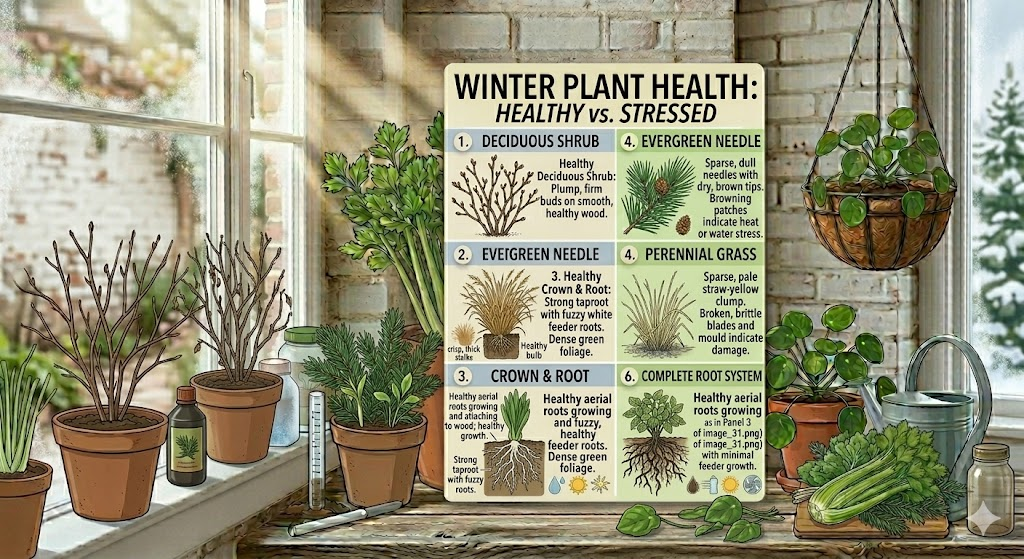
Healthy vs Stressed Winter Plants (Visual Signs)
Recognizing the difference between healthy and stressed plants is essential for proper care. Winter conditions can mask problems, making it important to observe subtle changes.
Healthy plants maintain stable color and structure, while stressed plants show signs like yellowing, drooping, or leaf loss. Early detection allows for quick correction.
Visual indicators:
- Healthy plants: stable color and structure
- Stressed plants: yellowing or drooping
- Leaf loss may indicate stress or dormancy
- Slow growth is normal in winter
- Sudden changes signal environmental issues
Visual observation is the fastest way to diagnose plant health.
Expert Insight: Survival Over Growth
Winter plants prioritize survival rather than rapid growth. Their biological systems are designed to maintain stability until environmental conditions improve.
This means growth may appear slow, but it is part of a natural cycle. Providing consistent conditions helps plants remain healthy and ready for active growth in warmer seasons.
Key insight:
- Stable conditions support survival
- Stress reduces performance
- Growth resumes when conditions improve
Winter is a maintenance phase, not a growth phase.
Final Thoughts
Winter plants demonstrate that gardening does not have to stop during cold weather. With the right selection and care, plants can continue to provide beauty and structure throughout the season.
They require adjustments in care, but their resilience and visual impact make them a valuable addition to any plant collection.
FAQ Section
What are winter plants?
Plants that can survive or grow in cold temperatures.
Do winter plants need sunlight?
Yes, they need as much light as possible.
How often should I water winter plants?
Less frequently than in warmer months.
Can plants survive frost?
Some can, but protection is recommended.
What is the best winter plant?
Pansy is one of the most popular choices.
Myra is the founder and lead writer of Plantsaholic. She shares practical, research-backed advice on indoor plants, outdoor gardening, flowers, herbs, succulents, and everyday plant care. Her goal is to help gardeners of all experience levels grow healthier plants through simple, easy-to-follow gardening guides.