Modern life leaves little room for complicated plant care. Long workdays, travel, family responsibilities, and packed schedules make daily watering and constant monitoring unrealistic. That is why low-maintenance indoor plants have become one of the smartest choices for modern homes.
Unlike demanding houseplants, easy-care indoor plants survive missed watering, adapt to changing indoor light, and recover from minor neglect. They improve room aesthetics, reduce visual stress, and create a healthier indoor atmosphere without demanding constant attention.
The biggest mistake people make when buying houseplants is choosing based only on appearance. A plant may look beautiful in a store, but if it needs frequent watering, high humidity, or exact lighting, it quickly becomes stressful. Busy people need plants that fit real life.
This guide explains what makes a plant low maintenance, which species perform best, how to choose the right one, and how to build a simple indoor plant system that fits your lifestyle.
What Makes an Indoor Plant Low Maintenance?
A low-maintenance indoor plant is not simply a plant that needs less water. True low-maintenance plants are defined by flexibility. They tolerate inconsistency better than sensitive plants, which makes them far more practical for busy people. A plant that survives imperfect watering, changing light, and indoor temperature shifts is more useful than a beautiful plant that demands constant precision.
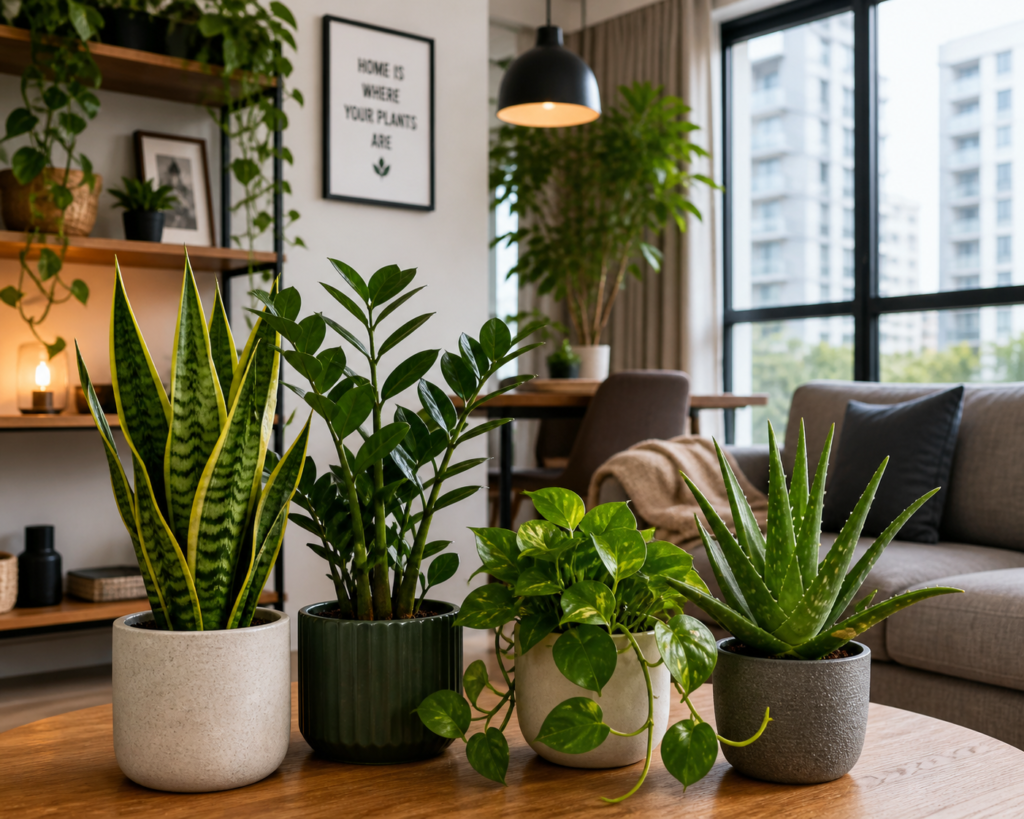
The strongest low-maintenance plants usually have survival traits like thick leaves, strong roots, slow growth, or underground moisture storage. These natural adaptations allow them to manage stress indoors. That is why plants like Snake Plant, ZZ Plant, and Aloe Vera consistently rank among the easiest houseplants.
Low-maintenance does not mean zero maintenance. Every plant still needs light, water, and occasional observation. The difference is flexibility. Easy-care plants tolerate mistakes better, which lowers stress and improves long-term success.
Key low-maintenance traits:
- drought tolerance
- slow growth
- low fertilizer needs
- flexible light tolerance
- pest resistance
- strong root systems
- moisture retention
A busy office worker who forgets watering for ten days may lose a peace lily but will rarely lose a snake plant. That difference defines practical plant ownership.
Decision clarity: If your schedule is unpredictable, prioritize resilience over appearance.
Quick Comparison: Best Low Maintenance Indoor Plants
Choosing the right indoor plant becomes easier when the core care needs are compared side by side. Many easy-care plants sound similar, but they perform differently. Some handle low light better, while others grow faster or tolerate neglect longer.
| Plant | Light | Water | Growth | Best For |
|---|---|---|---|---|
| Snake Plant | Low–medium | Very low | Slow | Beginners |
| ZZ Plant | Low | Very low | Slow | Offices |
| Pothos | Low–medium | Moderate | Fast | Decorative growth |
| Spider Plant | Medium | Moderate | Fast | Budget buyers |
| Aloe Vera | Bright indirect | Low | Slow | Kitchens |
Best by category:
- best for neglect → Snake Plant
- best for low light → ZZ Plant
- best for fast growth → Pothos
- best budget → Spider Plant
How to Use This Comparison Table
This table helps match plant behavior to your lifestyle faster. If forgetting to water is your biggest issue, focus on low-water plants first. If your room has weak light, prioritize low-light tolerance over fast growth.
Buying based on your biggest weakness creates better long-term results. The goal is not choosing the prettiest plant first. It is choosing the plant most likely to survive.
Snake plant remains the safest overall starting point.
Why Are Low Maintenance Indoor Plants Better for Busy Lifestyles?
Busy lifestyles create inconsistent routines. Most people do not fail at plant care because they lack interest. They fail because life interrupts consistency. Work runs late, travel happens, and plant care gets delayed. Low-maintenance plants absorb those interruptions without major damage.
Instead of forcing your schedule to match the plant, the plant adapts to your schedule. That is the main advantage. A plant system should reduce stress, not create it.
Low-maintenance plants also fit changing lifestyles. A person may be home often one month and traveling the next. Flexible plants adapt better than strict-care tropical plants.
Why they work better:
- survive missed watering
- recover faster
- need less repotting
- lower maintenance pressure
- lower replacement costs
They also improve room atmosphere. Even one healthy plant can soften a room visually and make it feel calmer.
Long-term benefit:
Keeping easy plants alive builds confidence and improves future plant-care success.
Which Low Maintenance Indoor Plants Are Best for Busy People?
Not all low-maintenance plants are equally practical. Some survive drought better, some adapt to low light better, and some recover faster after neglect. The best plant depends on your routine.
Top-performing low-maintenance indoor plants:
- Snake Plant
- ZZ Plant
- Pothos
- Spider Plant
- Chinese Evergreen
- Cast Iron Plant
- Aloe Vera
- Jade Plant
What makes them strong:
- flexible care
- broad adaptability
- durable roots
- strong recovery
- low watering needs
Why These Plants Perform Better Than Trendy Houseplants
Many trending houseplants look attractive online but struggle in average homes. They often need stronger humidity, more sunlight, or stricter watering schedules.
The plants listed here perform better because they adapt more easily. Adaptability is the strongest survival advantage for busy plant owners.
If this is your first plant, start with one strong performer instead of several.
Which Indoor Plant Is Best Overall for Beginners?
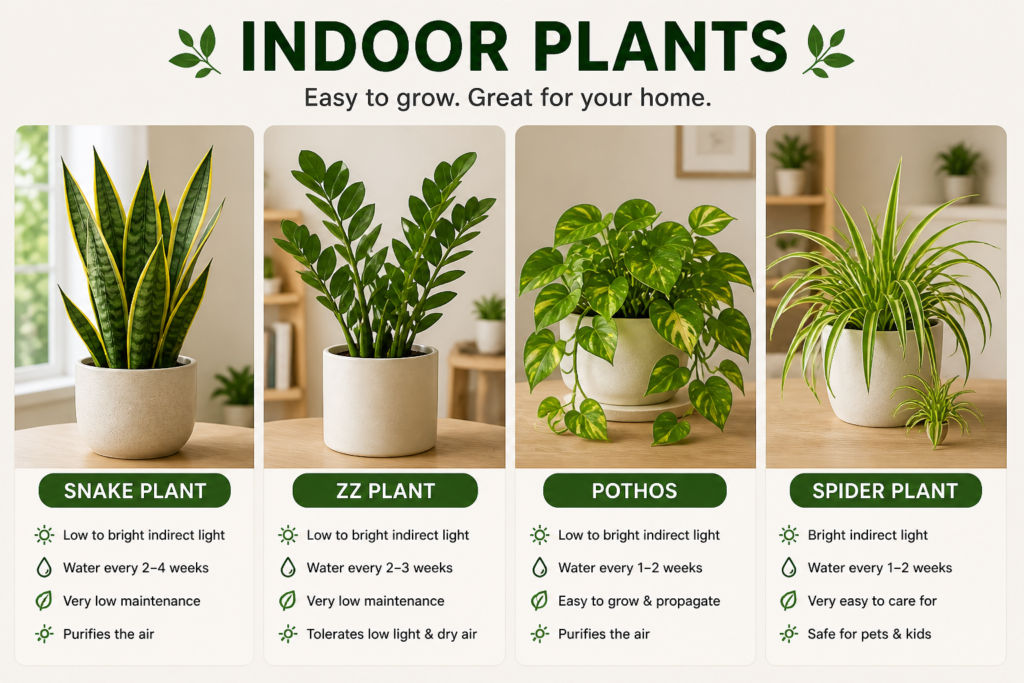
Beginners need forgiveness more than anything else. A beginner-friendly plant must survive common mistakes like overwatering, underwatering, poor placement, and delayed repotting.
Snake plant consistently ranks as the best beginner plant because it removes complexity. It tolerates low water, low light, and inconsistent care while maintaining a clean appearance.
Best beginner plants:
- Snake Plant
- ZZ Plant
- Pothos
- Spider Plant
Why they work:
- forgiving watering needs
- adaptable to light changes
- easy troubleshooting
- affordable replacement
A beginner who starts with snake plant usually succeeds faster than someone starting with sensitive tropical plants.
Choose survival first. Experience grows from success.
Which Indoor Plants Need the Least Water?
Watering is the biggest source of indoor plant failure. Most people overwater, not underwater. Roots need oxygen, and too much water removes that oxygen.
Low-water plants reduce watering frequency and lower failure risk.
Best low-water indoor plants:
- Snake Plant
- ZZ Plant
- Aloe Vera
- Jade Plant
- Cast Iron Plant
Average watering intervals:
- snake plant: every 2–4 weeks
- zz plant: every 2–3 weeks
- aloe vera: every 2–3 weeks
- jade plant: every 2–3 weeks
Why Water Storage Matters
Plants like snake plant, aloe vera, and jade plant store water inside leaves or stems. This internal reserve allows them to survive missed watering much better than moisture-dependent plants.
This built-in storage system is one of the strongest low-maintenance traits.
If watering consistency is difficult, choose water-storing plants.
Which Low Maintenance Indoor Plants Survive Best in Low Light?
Low light is one of the biggest indoor plant challenges. A room that feels bright to people may still be low light for plants.
Plants need light for energy. Without enough light, growth weakens and survival becomes harder.
Best low-light performers:
- ZZ Plant
- Snake Plant
- Cast Iron Plant
- Chinese Evergreen
Best for:
- apartments
- offices
- bedrooms
- hallways
Warning signs of low-light stress:
- weak stems
- stretching
- pale leaves
- leaf drop
Choosing the right low-light plant prevents avoidable stress and improves long-term survival.
Are Low Maintenance Indoor Plants Good for Air Purification?
Indoor plants support healthier spaces, but they are not replacements for air filters.
Their real value comes from oxygen exchange, humidity balance, and visual comfort.
Best air-support plants:
- Snake Plant
- Peace Lily
- Spider Plant
- Pothos
Benefits:
- oxygen support
- humidity balance
- visual comfort
- reduced dryness
Even a single plant can improve the feel of a room.
If air-support is your goal, choose plants that combine easy care with practical benefits.
Which Indoor Plants Are Best for Frequent Travelers?
Travel changes plant care. If you leave often, plant survival depends on independence.
Travel-friendly plants should tolerate delayed watering and stable indoor conditions.
Best travel-friendly plants:
- Snake Plant
- ZZ Plant
- Aloe Vera
- Jade Plant
Travel checklist:
- water before leaving
- check drainage
- avoid harsh sunlight
- group plants together
Plants with built-in water storage survive travel better.
If you travel often, prioritize drought-tolerant plants first.
Which Indoor Plants Are Best for Apartments?
Apartments create unique growing conditions. Limited space and fewer windows change plant behavior.
The best apartment plants are compact, adaptable, and manageable.
Best apartment plants:
- Snake Plant
- Pothos
- ZZ Plant
- Parlor Palm
Best apartment placements:
- shelves
- corners
- side tables
- near windows
Vertical plants save floor space. Trailing plants add movement without clutter.
For apartments, structure matters as much as care simplicity.
Which Indoor Plants Are Best for Offices?
Office environments are harder on plants because of artificial light, dry air, and inconsistent watering.
Office plants must tolerate stress while maintaining a clean appearance.
Best office plants:
- ZZ Plant
- Snake Plant
- Pothos
- Spider Plant
Why they work:
- low-light tolerance
- low watering needs
- durable foliage
- stable growth
Office care tips:
- rotate monthly
- wipe leaves
- avoid AC blasts
- check soil
For office spaces, durability matters more than fast growth.
Which Indoor Plants Are Best for People Who Forget Watering?
Forgetting to water is common. The best solution is not trying harder. It is choosing plants that forgive forgetfulness.
Best choices:
- Snake Plant
- ZZ Plant
- Jade Plant
- Aloe Vera
Why they work:
- store moisture
- use water slowly
- tolerate drought
- recover well
Simple watering rule:
Check soil first.
If dry, water.
If moist, wait.
Build your plant collection around plants that match your habits.
How Do You Choose the Right Low Maintenance Indoor Plant?
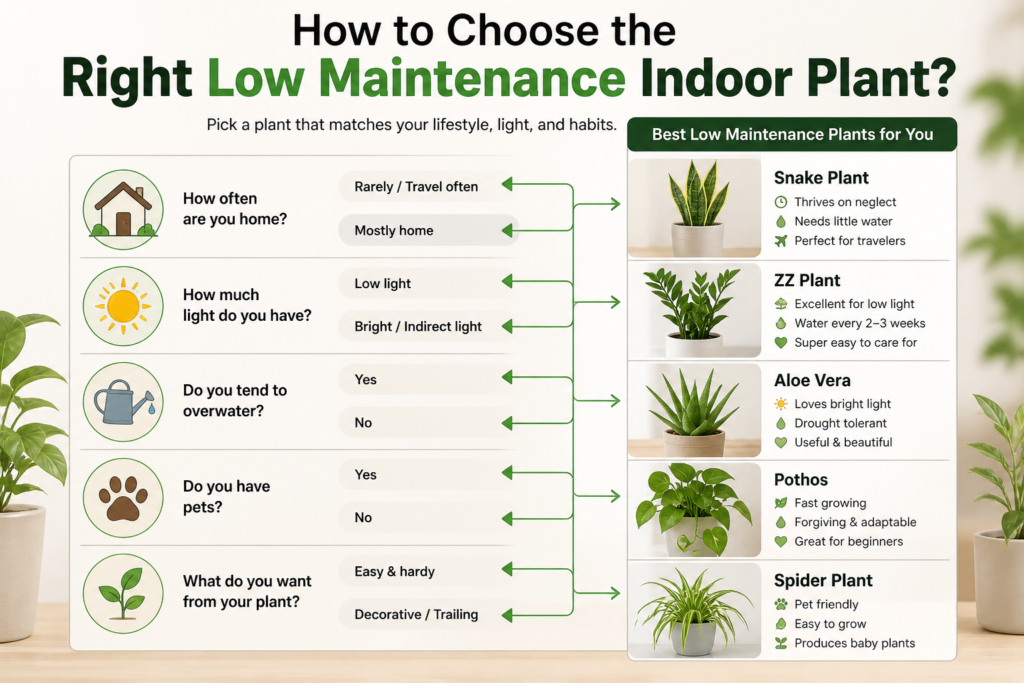
Choosing the right plant is about compatibility.
Questions to Ask Before Buying an Indoor Plant:
- how often am I home?
- do I travel?
- how much light do I have?
- do I overwater?
- do I have pets?
Choosing honestly matters. Many plant failures happen because buyers overestimate their time or light conditions.
A realistic decision at the beginning creates stronger long-term results.
Match Your Lifestyle to the Right Plant:
- traveler → Snake Plant
- low-light room → ZZ Plant
- decorative growth → Pothos
- pet owner → Spider Plant
The best plant is the one that fits your real life.
Which Low Maintenance Indoor Plants Are Safe for Pets?
Pet safety matters because some indoor plants can cause digestive issues if chewed.
Safer options:
- Spider Plant
- Parlor Palm
- Calathea
Use caution:
- Snake Plant
- Pothos
- Peace Lily
Pet-safe plants reduce stress and allow easier placement.
If your pets interact with plants, safer options should come first.
How Fast Do Low Maintenance Indoor Plants Grow?
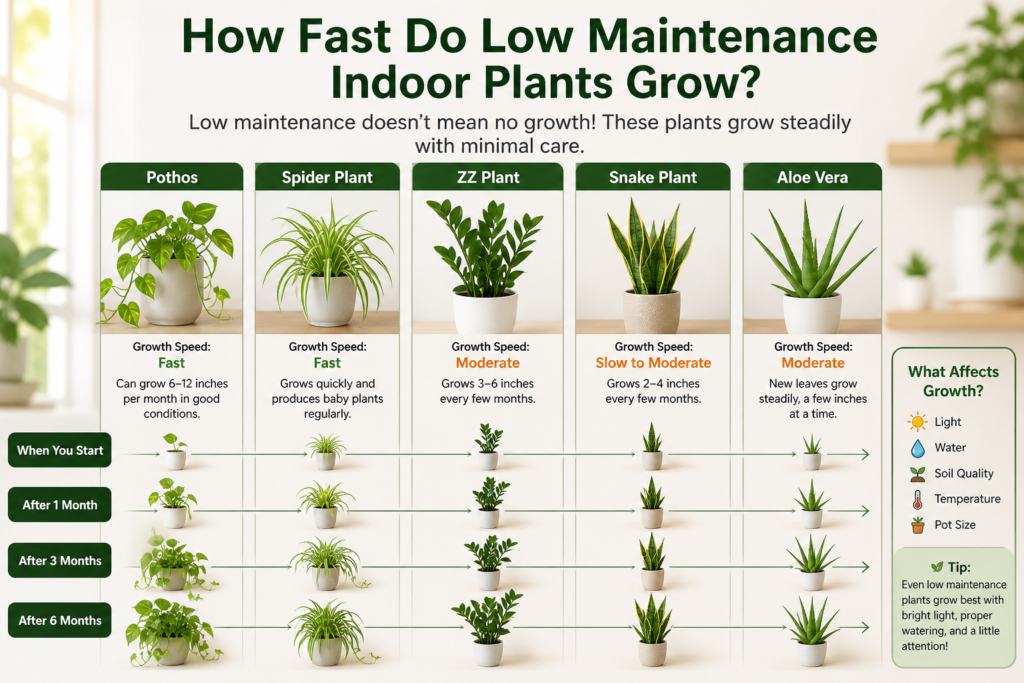
Growth speed changes expectations.
Some people want visible progress quickly. Others prefer slower growth because it reduces pruning.
Slow growers:
- Snake Plant
- ZZ Plant
- Cast Iron Plant
Fast growers:
- Pothos
- Spider Plant
Fast growers create motivation.
Slow growers reduce maintenance.
Choose based on your expectations and routine.
How Often Should You Water Low Maintenance Indoor Plants?
Watering depends on environment, season, and plant type.
General watering guide:
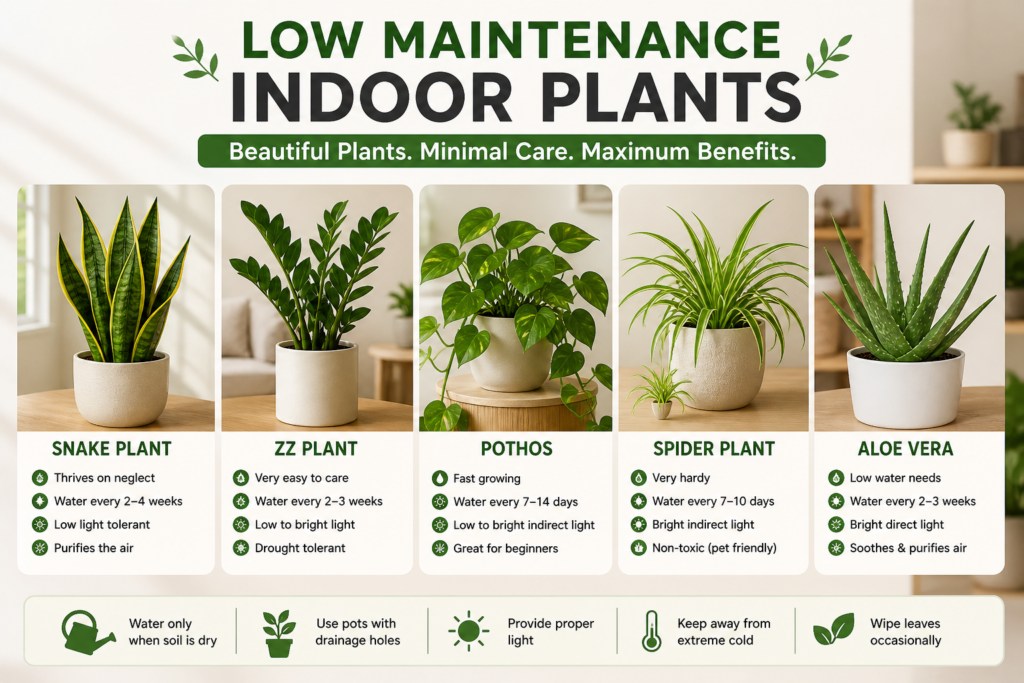
- Snake plant: every 2–4 weeks
- ZZ plant: every 2–3 weeks
- Pothos: every 7–14 days
- Spider plant: every 7–10 days
- Aloe vera: every 2–3 weeks
Humidity, temperature, and pot material affect drying speed. Terracotta dries faster than plastic, and warmer rooms increase water use.
Best watering practices:
- check soil first
- water deeply
- allow drainage
- reduce watering in winter
Signs of thirst:
- dry soil
- drooping
- wrinkled leaves
Never water by calendar alone.
The Finger Test Method
The finger test is one of the easiest watering tools. Insert your finger two inches into the soil. If it feels dry, water deeply. If it feels moist, wait.
This simple method prevents overwatering better than fixed schedules.
How Does Plant Care Change in Winter and Summer?
Plant care changes by season.
Winter slows growth.
Summer speeds it up.
Winter care:
- reduce watering
- avoid heavy fertilizer
- protect from cold drafts
- maximize light
Summer care:
- water more often if needed
- check heat stress
- monitor faster growth
Using the same routine year-round creates problems.
Seasonal adjustments improve plant health.
What Is the Best Soil for Low Maintenance Indoor Plants?
Soil controls root health.
Low-maintenance plants usually need well-draining soil to prevent root rot.
Best indoor soil mix:
- potting soil
- perlite
- bark chips
Benefits:
- better drainage
- better airflow
- healthier roots
Why Drainage Is More Important Than Rich Soil
Many beginners focus on nutrients but ignore drainage. Roots need airflow as much as nutrients.
Heavy soil traps water and creates root stress. A simple draining mix usually performs better.
Succulent mix:
- cactus mix
- coarse sand
- perlite
Best for:
- Aloe Vera
- Jade Plant
Good soil prevents many watering problems.
What Pots Are Best for Low Maintenance Indoor Plants?
Pot choice changes moisture behavior.
Best pots:
- terracotta
- ceramic with drainage
- nursery plastic
Terracotta works best for drought-tolerant plants because it dries faster.
Pot Material Changes Watering Frequency
Terracotta absorbs moisture and reduces overwatering risk. Plastic holds moisture longer, which may help moderate-water plants.
Pot choice directly changes how often you water.
Important pot features:
- drainage holes
- stable base
- correct size
Avoid oversized pots.
Drainage should always come first.
What Are the Most Common Mistakes with Low Maintenance Plants?
Low-maintenance plants are forgiving, but mistakes still matter.
Common mistakes:
- overwatering
- poor drainage
- too little light
- overfertilizing
- moving plants too often
Most plant problems come from care patterns.
Prevention:
- check soil first
- match light conditions
- use proper pots
- inspect regularly
Fixing the pattern usually fixes the plant.
How Do You Save a Struggling Indoor Plant?
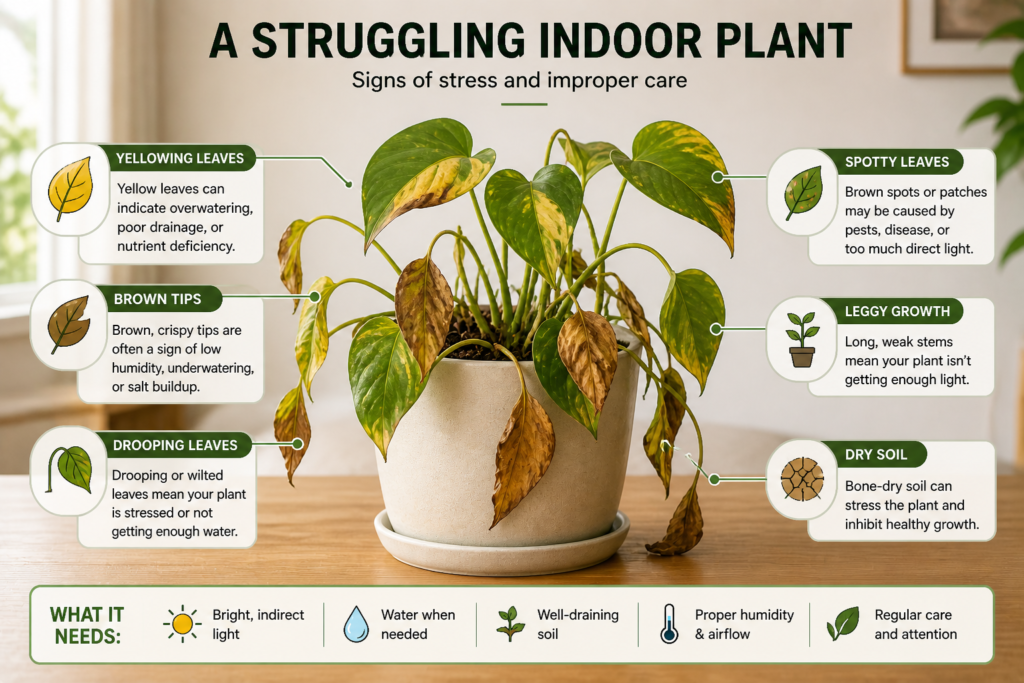
A struggling plant can recover if the problem is fixed early.
Recovery checklist:
- inspect roots
- remove dead leaves
- improve drainage
- check light
- reduce watering
Signs of root problems:
- bad smell
- mushy roots
- yellow leaves
Signs of light problems:
- stretching
- pale growth
- weak stems
Plant recovery starts with diagnosis.
Fix the cause first.
How Do You Keep Indoor Plants Alive with a Busy Schedule?
Busy people need systems.
Simple systems reduce mistakes.
Best systems:
- watering reminders
- grouped watering zones
- visible placement
- weekly observation
Plant groups:
Low-water zone:
- Snake Plant
- ZZ Plant
- Aloe Vera
Moderate-water zone:
- Pothos
- Spider Plant
Grouping plants by similar needs simplifies care.
Create a Weekly Plant Check Routine
A weekly five-minute plant check prevents most problems early. Check leaf color, soil dryness, and overall posture.
Small observation is easier than emergency recovery.
Consistency matters more than intensity.
Which Indoor Plants Work Best in Different Rooms?
Different rooms create different plant conditions.
Best room matches:
Bedroom:
- Snake Plant
Bathroom:
- Peace Lily
Kitchen:
- Aloe Vera
Office:
- ZZ Plant
Living room:
- Pothos
Matching plant behavior to room conditions improves long-term success.
Where Should You Buy Low Maintenance Indoor Plants?
Plant quality matters.
A healthy plant adapts faster and survives better.
Best buying sources:
- local nurseries
- garden centers
- trusted online sellers
Benefits of nurseries:
- healthier plants
- fresher stock
- better advice
Benefits of online stores:
- wider variety
- easy delivery
Starting with quality improves long-term success.
How Do You Choose a Healthy Indoor Plant Before Buying?
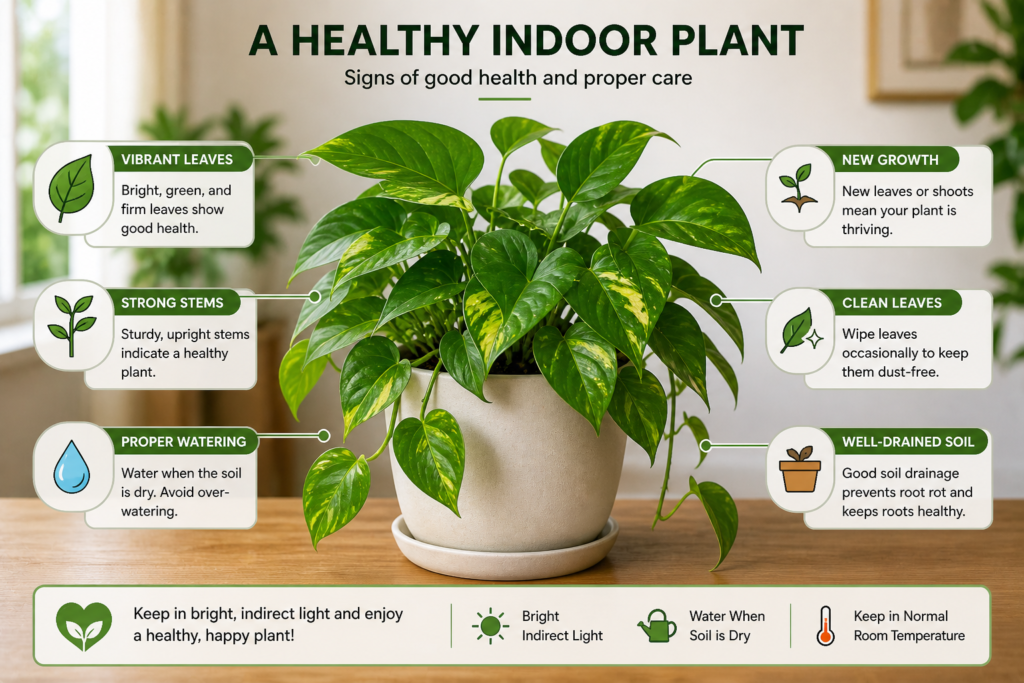
Inspect carefully before buying.
Check leaves:
Healthy leaves should be:
- firm
- evenly colored
- pest-free
Avoid:
- yellow leaves
- mushy spots
- dark patches
Check soil:
- lightly moist
- not soaked
- no bad smell
Check roots:
Healthy roots should be:
- firm
- light colored
Check for Common Indoor Plant Pests
Inspect for:
- fungus gnats
- spider mites
- mealybugs
Warning signs:
- sticky leaves
- webbing
- white spots
- small flying insects
Healthy plants resist pests better.
Buy health, not size.
How Much Do Low Maintenance Indoor Plants Cost?
Plant cost usually reflects size, age, and rarity.
Typical price ranges:
- starter plants: $8–15
- medium plants: $15–35
- large plants: $40–100
Best Plants by Budget
Under $10:
- Spider Plant
- Pothos
$10–20:
- Snake Plant
- Aloe Vera
$20+:
- ZZ Plant
- Parlor Palm
Budget strategy:
- start small
- learn first
- expand later
Affordable plants reduce pressure and improve learning.
Can You Propagate Low Maintenance Indoor Plants?
Propagation multiplies plants for free.
Easy propagation plants:
- Pothos
- Spider Plant
- Snake Plant
Methods:
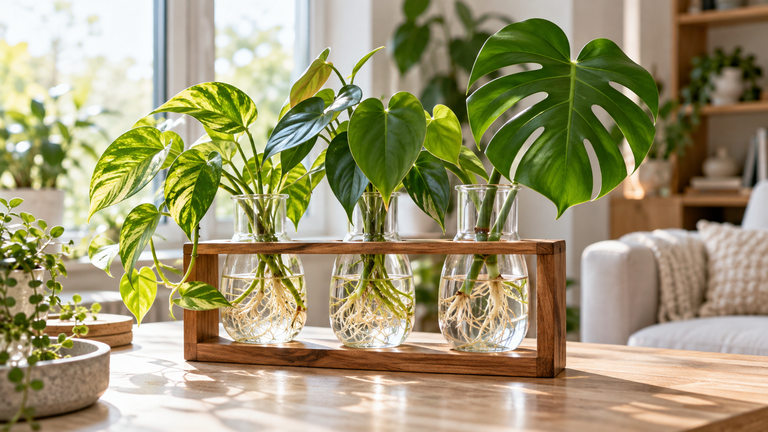
- pothos → stem cuttings
- spider plant → baby plantlets
- snake plant → division
Benefits:
- free plants
- backup plants
- easy expansion
Pothos is one of the easiest beginner plants to propagate.
Mini Case Study: Which Plant Performs Best in Real Busy Conditions?
test conditions:
- irregular watering
- apartment lighting
- AC environment
- weekly observation
Plants:
- Snake Plant
- Pothos
- Peace Lily
Results:
Snake Plant performed best under neglect.
Pothos grew fastest but needed more water.
Peace Lily looked attractive but required more consistency.
Best survival:
Snake Plant
Best growth:
Pothos
Best softness:
Peace Lily
If survival matters most, snake plant wins.
Are Low Maintenance Indoor Plants Worth It?
Yes.
Low-maintenance indoor plants provide strong value with low effort.
Benefits:
- better room aesthetics
- lower stress
- easier care
- beginner confidence
- lower replacement costs
Long-Term Value Matters
A low-maintenance plant that survives for five years creates more value than a difficult plant replaced every six months.
Lower replacement cost and lower care pressure make easy-care plants the smarter long-term investment.
A plant that survives long term creates more value than one that dies quickly.
That makes low-maintenance plants practical and cost-effective.
Final Verdict: Which Low Maintenance Indoor Plant Is Best Overall?
After comparing water needs, light tolerance, durability, cost, and beginner-friendliness, one plant performs best across the widest range of conditions.
Best overall choice:
Snake Plant
It ranks highest not because it grows fastest or looks the most decorative. It ranks highest because it solves the most beginner problems with the least maintenance pressure.
Why Snake Plant Ranks Highest
- survives neglect
- handles low light
- tolerates dry air
- needs little water
- fits beginners
Best category winners:
Best overall → Snake Plant
Best low light → ZZ Plant
Best fast grower → Pothos
Best budget → Spider Plant
Best succulent → Aloe Vera
If you are buying your first plant, snake plant is the safest first decision.
FAQ SECTION
What is the easiest indoor plant to keep alive?
Snake Plant is one of the easiest because it tolerates low light, missed watering, and dry indoor air.
Which indoor plant needs the least water?
Snake Plant and ZZ Plant are among the lowest-water indoor plants because they store moisture.
Which low-maintenance indoor plant grows the fastest?
Pothos grows quickly and adapts easily indoors.
Which indoor plant is best for low-light rooms?
ZZ Plant is one of the strongest low-light indoor plants.
Are low-maintenance indoor plants safe for pets?
Some are safer, like Spider Plant and Parlor Palm. Others should stay out of reach.
Which indoor plant is best for office desks?
ZZ Plant works extremely well in office environments.
Can low-maintenance plants survive while traveling?
Yes. Snake Plant and ZZ Plant handle short travel periods very well.
How often should low-maintenance plants be repotted?
Most need repotting every 1–3 years depending on root growth
Myra is the founder and lead writer of Plantsaholic. She shares practical, research-backed advice on indoor plants, outdoor gardening, flowers, herbs, succulents, and everyday plant care. Her goal is to help gardeners of all experience levels grow healthier plants through simple, easy-to-follow gardening guides.