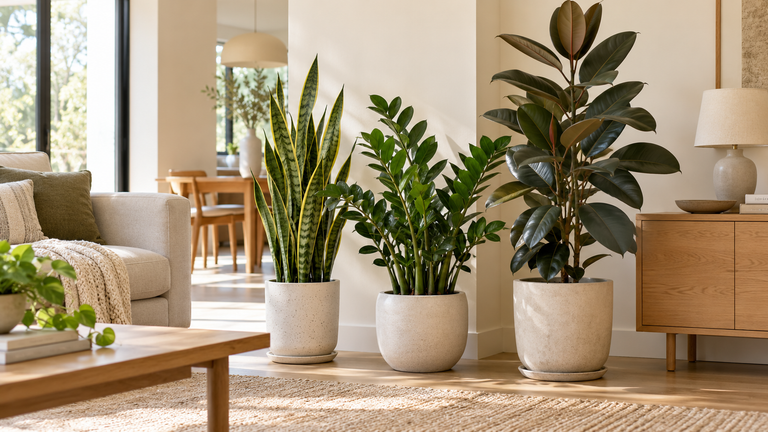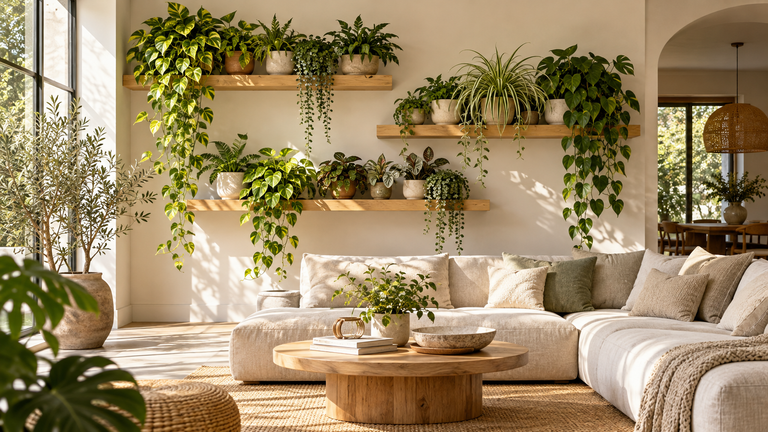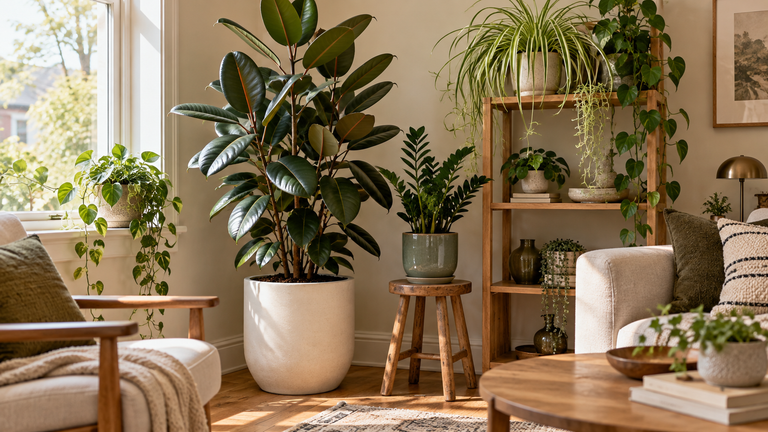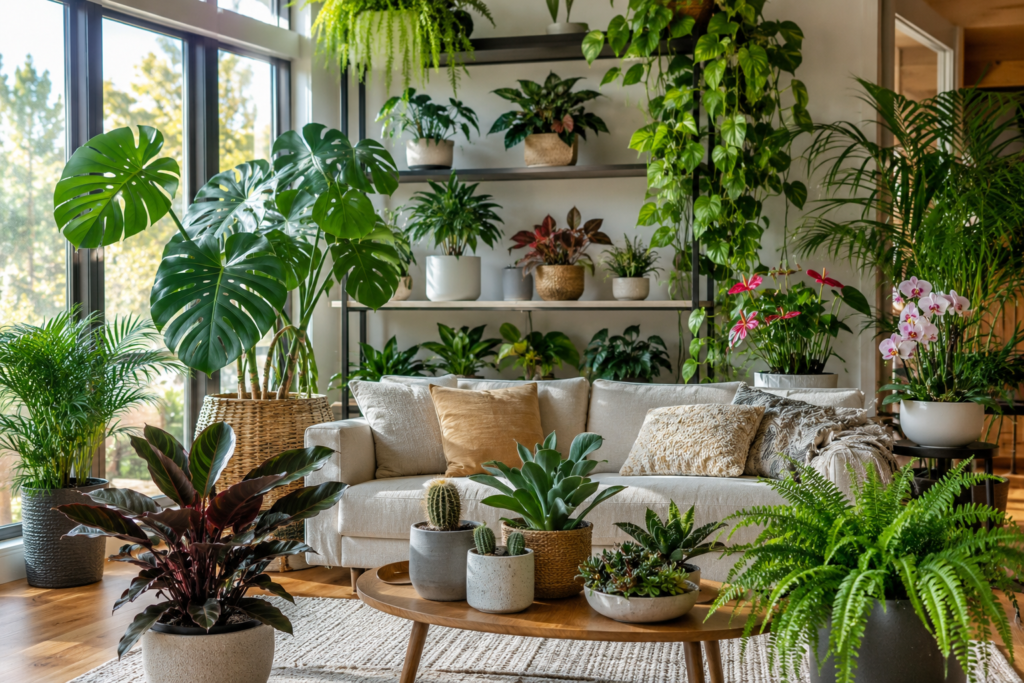
Why Understanding Indoor Plant Categories Prevents Costly Mistakes
Indoor plants are usually grouped by their growth behavior, environmental adaptation, visual purpose, and maintenance requirements. Understanding these indoor plant categories helps plant owners create healthier, visually captivating indoor environments instead of selecting plants only for surface-level decorative appeal.
A lush tropical foliage plant behaves very differently from a rugged desert cactus, while a humidity-loving fern responds differently than a drought-resistant succulent. Each indoor plant category has distinct lighting, watering, humidity, and growth preferences that directly influence long-term resilience, foliage quality, and indoor vitality.
The Most Popular Indoor Plant Categories for Every Room
- foliage indoor plants
- flowering indoor plants
- succulent plants
- cactus plants
- tropical indoor plants
- indoor vines and climbers
- indoor palms
- indoor ferns
- air plants
- edible herbs
- pet-safe plants
- rare collector plants
The main indoor plant groups include foliage plants, flowering plants, succulents, cactus plants, tropical plants, indoor vines, ferns, palms, herbs, air plants, low-light plants, and rare collector plants. Understanding these differences helps prevent frustrating indoor plant problems like root rot, faded foliage, weak growth, and environmental stress.
Real-World Indoor Plant Insight
Many thriving indoor plant collections combine multiple plant categories together instead of focusing on a single type alone. A layered indoor setup may include towering palms for dramatic structure, cascading vines for natural movement, sculptural succulents near radiant windows, and resilient low-light foliage plants for shadowed corners.
Smart Indoor Plant Selection Tips
If you are a beginner, evaluate your room lighting, humidity, airflow, and watering habits first. Environmental compatibility matters far more than temporary plant trends, rarity, or social media hype when choosing the right indoor plant type.
How Are Indoor Plants Classified and Why Does It Matter Indoors?
Why Indoor Plant Classification Matters
Indoor plants are classified based on their growth behavior, environmental adaptation, physical structure, and care requirements. This powerful classification system helps plant owners understand why certain plants flourish in dry soil while others demand steady humidity, why some tolerate dim indoor corners while others crave radiant sunlight, and why some grow upright while others elegantly trail or climb.
Most indoor plants belong to multiple categories at the same time. For example, pothos is both a resilient foliage plant and a fast-growing vining plant, while a peace lily functions as both a flowering plant and a low-light-tolerant tropical species. Understanding these overlapping classifications helps plant owners build smarter, more stable, and environmentally aligned care routines instead of treating all houseplants identically.
Common Ways Indoor Plants Are Classified
- growth habit
- light tolerance
- watering needs
- humidity preference
- leaf structure
- root behavior
- climate adaptation
- decorative purpose
- toxicity level
- maintenance difficulty
Real-World Insight
Many frustrating indoor gardening failures happen because people classify plants visually instead of biologically. A sculptural cactus and a tropical succulent may both appear compact and stylish, but their lighting, drainage, and watering needs can differ dramatically and lead to hidden long-term stress.
Decision Clarity
Understanding indoor plant classification helps you choose species based on environmental compatibility, long-term vitality, and realistic maintenance expectations instead of temporary trends or surface-level visual appeal alone.
Why Foliage Indoor Plants Dominate Modern Interior Styling
Foliage indoor plants are grown mainly for their lush leaves instead of flowers. These plants provide year-round greenery and lasting visual impact. Many foliage plants originate from tropical forests, which explains why they often prefer filtered light and stable indoor temperatures instead of intense direct sunlight.
Foliage plants vary widely in shape, color, texture, and growth style. Some develop oversized split leaves, while others stay compact with patterned foliage or trailing stems. Large plants like Monstera deliciosa create bold statement displays, while peperomias and calatheas work beautifully on desks and shelves.
Popular foliage indoor plants include:
- pothos
- philodendron
- monstera
- calathea
- aglaonema
- dieffenbachia
- dracaena
- rubber plant
- peperomia
- syngonium
Many foliage plants are more resilient than flowering plants because they tolerate occasional watering mistakes and adapt well to average indoor humidity. However, poor lighting may still cause stretched growth, faded variegation, and smaller leaves over time.
Real-world insight:
Many homeowners place foliage plants in dark decorative corners because they look visually appealing there. However, weak light slowly reduces plant energy and long-term vitality.
Decision clarity:
Choose foliage indoor plants if you want long-lasting greenery, easier maintenance, and flexible interior styling without relying on flowers for decorative impact.
The Most Beautiful Flowering Indoor Plants for Vibrant Indoor Color
Why Flowering Indoor Plants Are Popular
Flowering indoor plants are grown mainly for their vibrant blooms, striking colors, and dramatic decorative impact. Unlike foliage plants that emphasize leaf texture and structure, flowering plants introduce vivid seasonal beauty and eye-catching visual energy into indoor spaces. Some produce continuous blooms, while others flower in spectacular cycles throughout the year.
Stunning Flowering Indoor Plants That Add Instant Color
- peace lily
- orchid
- African violet
- anthurium
- kalanchoe
- Christmas cactus
Flowering plants usually thrive best under brighter light, balanced watering, and strategic feeding during active growth periods. Bloom performance varies by species and indoor conditions.
Decision Clarity
Choose flowering indoor plants if you want bold indoor color, elegant decorative focal points, and visually captivating blooms that instantly energize indoor spaces.
Why Succulent Indoor Plants Are Perfect for Busy Plant Owners
Why Succulent Indoor Plants Are Popular
Succulent indoor plants store water inside their leaves, stems, or roots, making them highly drought-tolerant and low maintenance. Their compact size and wide variety of shapes, textures, and colors make them popular for desks, shelves, and sunny windows.
Stylish Succulent Indoor Plants for Bright Indoor Spaces
- echeveria
- jade plant
- haworthia
- aloe vera
- burro’s tail
- string of pearls
Succulents generally require bright light, fast-draining soil, and infrequent watering. Overwatering is the most common care problem indoors.
| Plant Type | Light Need | Water Need | Humidity Need |
|---|---|---|---|
| Succulents | High | Low | Low |
| Ferns | Medium | High | High |
| Tropical Plants | Medium-Bright | Moderate | High |
| Cactus Plants | Very High | Very Low | Low |
Decision Clarity
Choose succulents if you want compact, drought-tolerant plants with simple care needs.
Why Indoor Cactus Plants Thrive in Bright, Low-Maintenance Homes
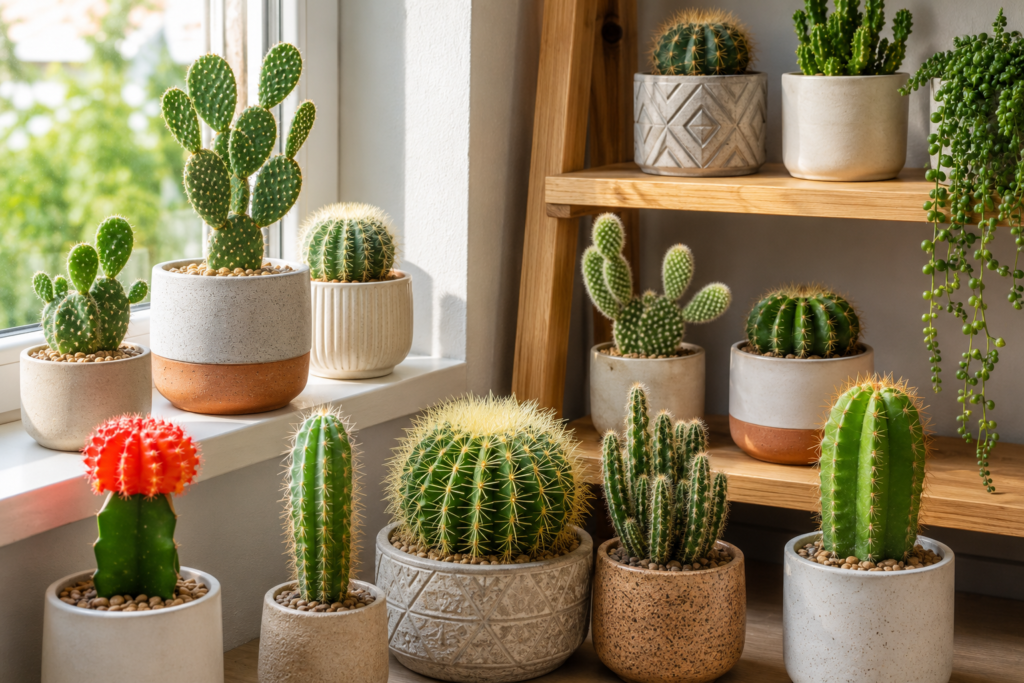
Why Indoor Cactus Plants Are Popular
These plants are highly popular because they require little watering and adapt well to bright indoor spaces. Indoor cactus plants are known for thick stems, spines, and exceptional drought tolerance. These plants require minimal watering and adapt extremely well to bright indoor spaces. Some indoor cacti also produce colorful flowers under proper conditions.
Popular Indoor Cactus Plants
- barrel cactus
- bunny ear cactus
- moon cactus
- Christmas cactus
- star cactus
- old lady cactus
Most cacti need bright direct light, porous soil, and minimal watering. Excess moisture and poor drainage commonly cause root damage indoors.
Decision Clarity
Choose indoor cacti if you want highly low-maintenance plants for bright sunny areas.
Why Indoor Ferns Create Lush, Relaxing Indoor Environments
Why Indoor Ferns Are Popular
Indoor ferns are foliage plants valued for their soft textured fronds and dense green appearance. They are commonly used to create lush indoor styling and softer natural greenery in homes and offices.
Popular Indoor Ferns
- Boston fern
- maidenhair fern
- bird’s nest fern
- staghorn fern
- rabbit’s foot fern
Ferns generally prefer indirect light, regular moisture, and moderate humidity. Dry air and inconsistent watering may cause browning or crispy foliage.
Decision Clarity
Choose indoor ferns if you want fuller greenery with softer leaf textures and tropical visual appeal.
Why Indoor Palms Add Dramatic Height and Tropical Elegance
Why Indoor Palms Are Popular
Indoor palms are popular for their upright growth, arching fronds, and tropical appearance. They are often used to add height and structure to indoor spaces without creating visual heaviness.
Elegant Indoor Palm Varieties for Tropical Indoor Styling
- areca palm
- parlor palm
- kentia palm
- bamboo palm
- majesty palm
Most indoor palms grow slowly and adapt well to containers. Proper watering and adequate light help maintain healthy green foliage indoors.
Decision Clarity
Choose indoor palms if you want taller indoor greenery with elegant upright growth.
Why Air Plants Are One of the Most Creative Indoor Plant Choices
Why Air Plants Are Different From Traditional Houseplants
Air plants are unique indoor plants that absorb moisture and nutrients mainly through their leaves instead of soil-based roots. Their unusual growth habit makes them popular for decorative displays, wall mounts, and terrariums.
Popular Air Plants
- tillandsia ionantha
- xerographica
- bulbosa
- capitata
- stricta
Air plants need bright indirect light, regular misting or soaking, and good airflow. They are compact and work well in small indoor spaces.
Decision Clarity
Choose air plants if you want soil-free indoor plants with creative display options.
The Best Indoor Herb Plants for Fresh, Functional Greenery
Why Indoor Herbs Are Popular
Indoor herb plants are edible plants commonly grown for cooking, fragrance, and compact indoor greenery. They are especially popular in kitchens and sunny windows because they combine practical use with decorative value.
Popular Indoor Herbs
- basil
- mint
- parsley
- rosemary
- thyme
- oregano
Most herbs need bright light, regular harvesting, and well-draining soil for steady growth indoors. Frequent trimming also helps maintain fuller growth.
Decision Clarity
Choose indoor herbs if you want fresh edible plants that also function as decorative greenery.
The Safest Indoor Plants for Homes With Cats and Dogs
Why Pet-Safe Indoor Plants Matter
Pet-safe indoor plants are houseplants considered less toxic to cats and dogs than many common indoor species. These plants are useful for households where pets may interact closely with indoor greenery.
Popular Pet-Safe Indoor Plants
- spider plant
- areca palm
- calathea
- peperomia
- parlor palm
- Boston fern
Even safer plants should still be placed carefully because excessive chewing may damage foliage or cause mild irritation. Checking plant toxicity before purchase is always recommended.
Decision Clarity
Choose pet-safe indoor plants if you want safer greenery for homes with pets.
The Best Beginner-Friendly Indoor Plants That Almost Anyone Can Grow
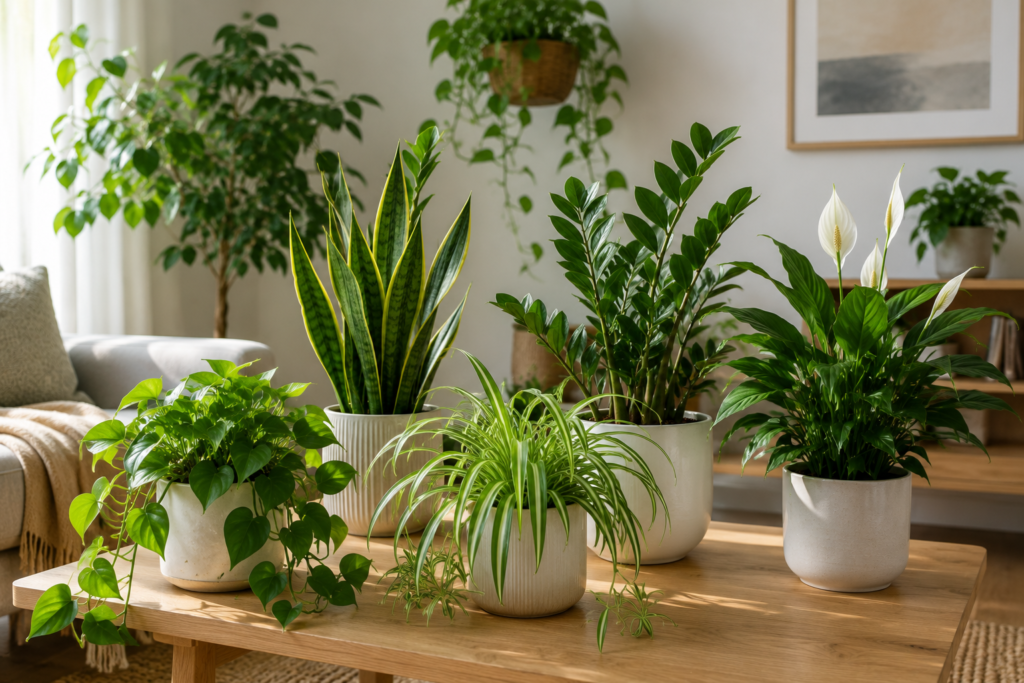
Why Beginner-Friendly Indoor Plants Are Easier to Grow
Beginner-friendly indoor plants are species that tolerate common care mistakes such as inconsistent watering, fluctuating humidity, or occasional low-light exposure. These plants are usually adaptable, resilient, and slower to decline under imperfect indoor conditions. Easy plants help beginners gain confidence faster.
The best beginner plants grow well in average indoor environments without requiring specialized humidity control or advanced watering schedules. Many also recover relatively quickly from stress compared to delicate tropical plants or humidity-sensitive species.
The Most Reliable Indoor Plants for New Plant Owners
- pothos
- snake plant
- ZZ plant
- spider plant
- philodendron
- peace lily
- cast iron plant
- dracaena
- heartleaf philodendron
These plants are beginner-friendly because they adapt to a wide range of indoor conditions and usually provide visible signs before severe decline occurs. They also propagate easily, making them ideal for learning basic plant care skills.
The Most Common Beginner Indoor Plant Mistakes to Avoid
- overwatering
- weak light
- oversized pots
- no drainage
- changing placement constantly
What Makes Indoor Plants Beginner-Friendly?
- adaptable lighting tolerance
- forgiving watering behavior
- moderate humidity needs
- slower stress response
- easier propagation
- stable indoor growth
Real-World Insight
Many beginners kill plants by caring too much rather than too little. Overwatering is often a bigger problem than underwatering for common beginner houseplants.
Decision Clarity
Choose beginner-friendly indoor plants if you want reliable growth, lower maintenance stress, and easier long-term indoor plant success.
Which Indoor Plant Types Are Harder to Care For?
Why Some Indoor Plants Are More Difficult
Some indoor plants are considered advanced or difficult because they require very stable environmental conditions, higher humidity, precise watering, or stronger lighting consistency. These plants often react quickly to stress and may develop leaf damage, root issues, or slowed growth when indoor conditions fluctuate.
Many rare tropical plants, humidity-sensitive species, and delicate foliage plants fall into this category.
Indoor Plants That Are Harder to Care For
- calatheas
- maidenhair ferns
- alocasias
- some orchids
- crotons
- sensitive begonias
- certain rare anthuriums
Common Challenges With Sensitive Indoor Plants
- dry indoor air
- inconsistent watering
- mineral-heavy tap water
- sudden temperature changes
- weak lighting
- poor airflow
Advanced plant owners often use humidifiers, grow lights, humidity cabinets, and specialized soil mixes to stabilize environmental conditions for sensitive plants.
Real-World Insight
Many “difficult” plants actually become easier once their environmental patterns are understood correctly. Humidity and lighting consistency matter more than complicated care routines.
Decision Clarity
Choose advanced indoor plants only if you are comfortable monitoring humidity, lighting, and watering more carefully over time.
What Are Rare and Unusual Indoor Plants?
Why Rare Indoor Plants Are Popular
Rare indoor plants are usually collected for unique foliage, unusual growth habits, limited availability, or strong variegation patterns. These plants are popular among collectors and specialty plant enthusiasts.
Rare plants often become desirable because of visual uniqueness rather than practicality. Some display unusual textures or dramatic variegation.
Popular Rare Indoor Plants
- variegated monstera
- philodendron pink princess
- anthurium clarinervium
- rare hoya varieties
- uncommon alocasias
Rare plants sometimes require more controlled conditions because variegated tissue often contains less chlorophyll, reducing photosynthetic efficiency.
Advanced Care for Rare Indoor Plants
- humidity cabinets
- grow lights
- specialized soil blends
- controlled temperatures
- pest prevention routines
Real-World Insight
Rare plant popularity changes over time. Some once-expensive plants become widely available after commercial tissue culture production increases supply.
Decision Clarity
Choose rare indoor plants if you enjoy collecting unusual species and are comfortable providing more specialized care.
What Problems Are Common With Different Types of Indoor Plants?
- root rot
- edema
- fungal gnats
- leaf scorch
- chlorosis
- transplant shock
Why Different Indoor Plants Develop Different Problems
Different indoor plant categories experience different stress patterns because their natural adaptations vary. Understanding these common problems helps plant owners predict issues before severe damage appears. Many indoor plant problems are environmental rather than disease-related, meaning conditions usually matter more than treatment products.
Succulents and cactus plants often struggle with overwatering, while tropical plants commonly react to dry air or inconsistent moisture. Ferns usually decline from low humidity, and flowering plants may stop blooming when light levels become too weak. Identifying these category-based patterns helps simplify troubleshooting indoors.
Common Problems by Indoor Plant Type
| Plant Type | Common Problem |
| Succulents | overwatering |
| Cactus plants | weak light |
| Ferns | dry air |
| Tropical plants | low humidity |
| Flowering plants | bloom drop |
| Palms | brown leaf tips |
| Vining plants | leggy growth |
| Low-light plants | slow growth |
| Rare plants | environmental instability |
Environmental stress often appears gradually. Yellow leaves, crispy edges, soft stems, and weak growth usually indicate care imbalance rather than sudden disease outbreaks.
Real-World Insight
Most indoor plant issues begin with improper light and watering combinations. Low light slows moisture use, which increases the risk of root stress in overly wet soil.
Decision Clarity
Learning category-based problems helps you prevent indoor plant decline instead of reacting only after visible damage appears.
How Do Different Indoor Plant Types Behave During Seasons?
Why Seasonal Changes Affect Indoor Plants
Indoor plants respond to seasonal changes even when kept inside climate-controlled homes. During winter, shorter daylight hours and cooler temperatures often slow plant growth significantly. Many plants use less water during winter.
Seasonal behavior varies by plant category. Tropical foliage plants may continue growing slowly year-round, while some succulents and flowering plants enter semi-dormant phases. Understanding seasonal shifts helps prevent overwatering and unnecessary fertilization during slower growth periods.
Common Seasonal Changes in Indoor Plants
- slower winter growth
- reduced water use
- weaker light exposure
- temporary dormancy
- lower nutrient demand
- humidity fluctuations indoors
Winter heating systems also dry indoor air dramatically, increasing stress for humidity-loving tropical plants and ferns.
Real-World Insight
Many indoor plants that “suddenly decline” during winter are actually reacting to reduced daylight combined with unchanged watering routines.
Decision Clarity
Adjust watering, fertilizing, and plant placement seasonally because indoor plant needs change throughout the year even inside stable homes.
How Should You Choose the Right Type of Indoor Plant?
Why Indoor Plant Selection Matters
The best indoor plant is not always the most beautiful plant. It is the plant that matches your environment, lighting, schedule, and maintenance ability.
What Should You Evaluate Before Choosing an Indoor Plant?
- window direction
- available sunlight
- humidity levels
- room temperature
- watering habits
- pet safety needs
- available space
A low-light office plant differs completely from a bright-window succulent setup. Matching plants to environmental conditions reduces stress, disease risk, and long-term decline.
Best Indoor Plants for Different Room Conditions
- bright windows → succulents, cactus, herbs
- humid bathrooms → ferns, pothos, calatheas
- offices → snake plant, ZZ plant
- living rooms → palms, monsteras, rubber plants
- shelves → vines and trailing plants
Real-World Insight
Plant success usually depends more on environmental consistency than perfection. Stable conditions are often healthier than constant changes in watering, lighting, or placement.
Best Indoor Plant Types for Bedrooms
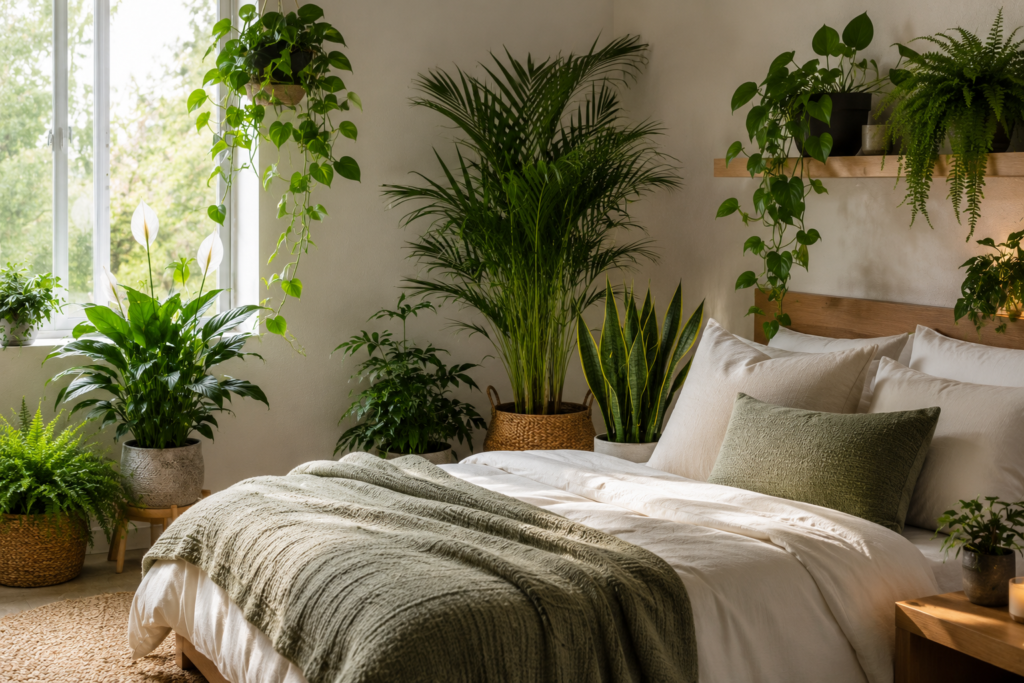
Why Some Indoor Plants Work Well in Bedrooms
Bedroom plants should tolerate moderate light, stable indoor temperatures, and lower-maintenance care routines. Compact foliage plants like snake plant, pothos, ZZ plant, peace lily, philodendron, spider plant, peperomia, and small palms work especially well because they stay visually calming without requiring constant care. Bedrooms with air conditioning may dry foliage faster, especially near vents.
Best Low-Maintenance Bedroom Plants
- snake plant
- pothos
- ZZ plant
- peace lily
- spider plant
Decision clarity: Choose bedroom plants that handle indirect light, simple care, and smaller relaxing spaces comfortably.
Best Indoor Plant Types for Bathrooms
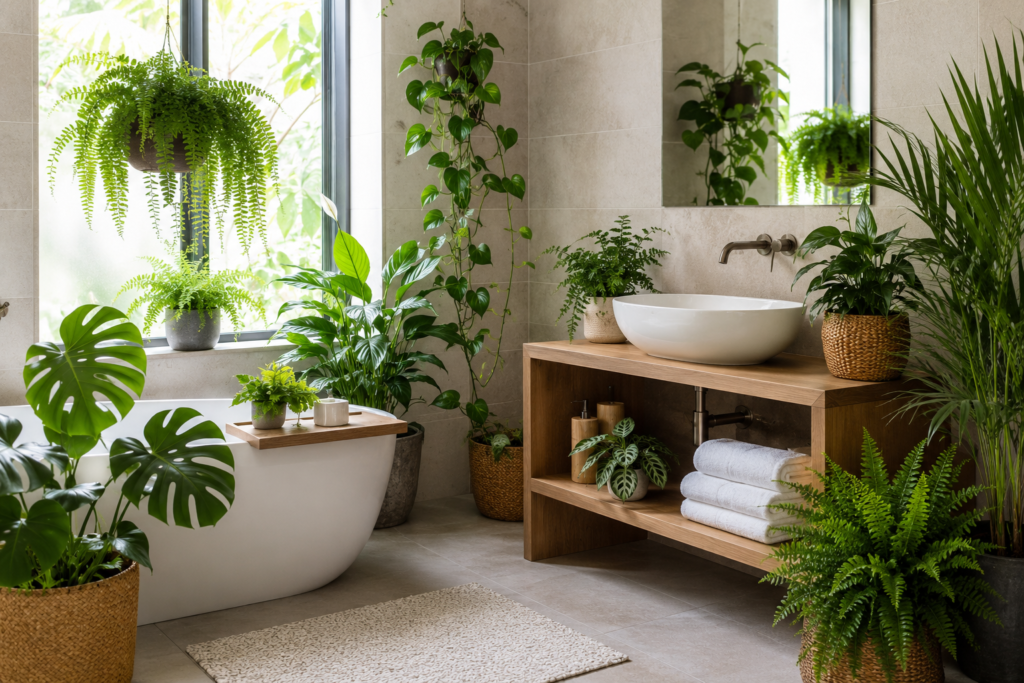
Why Bathrooms Can Be Good for Indoor Plants
Bathrooms are often ideal for humidity-loving plants because showers naturally increase moisture levels in the air. Plants like Boston fern, calathea, pothos, peace lily, philodendron, spider plant, and bamboo palm usually perform well in bathrooms with moderate indirect light, though windowless bathrooms may still require grow lights for healthy long-term growth.
Best Humidity-Loving Bathroom Plants
- Boston fern
- calathea
- pothos
- peace lily
- bamboo palm
Decision clarity: Choose bathroom plants that enjoy higher humidity and can adapt to filtered or moderate indoor light.
Best Indoor Plant Types for Offices
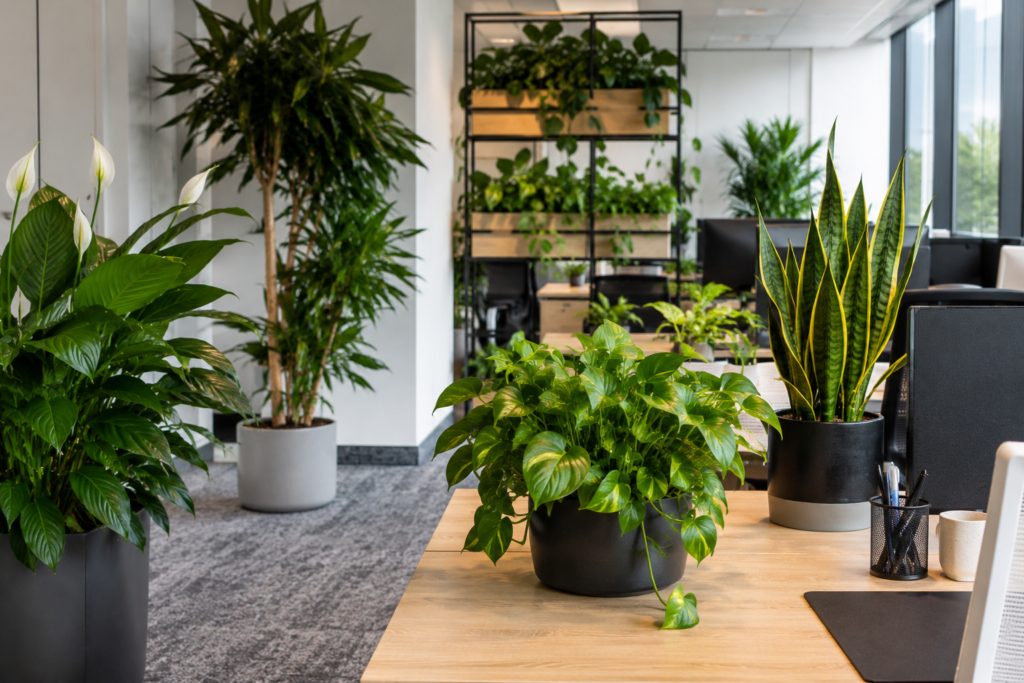
Why Some Indoor Plants Grow Well in Offices
Office plants should tolerate artificial lighting, lower humidity, and occasional neglect because workspaces often have inconsistent environmental conditions. Durable foliage plants like ZZ plant, snake plant, pothos, aglaonema, cast iron plant, dracaena, peace lily, and small philodendrons adapt well to desks and shelves while handling irregular watering schedules.
Best Low-Maintenance Office Plants
- ZZ plant
- snake plant
- pothos
- aglaonema
- dracaena
Decision clarity: Choose office plants that survive low light, dry air, and inconsistent watering without demanding frequent care.
Best Indoor Plant Types for Kitchens
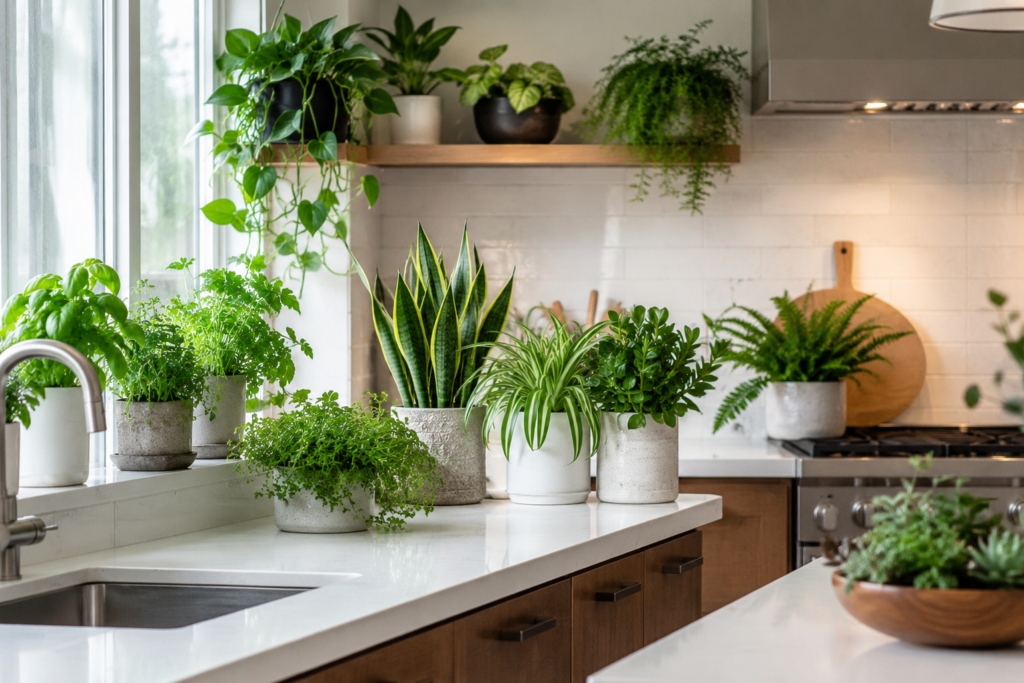
Why Kitchens Can Be Good for Indoor Plants
Kitchens can support many indoor plants because they often provide bright light, moderate humidity, and active airflow. Herbs like basil, mint, parsley, rosemary, and thyme grow especially well near sunny windows, while pothos, peperomia, spider plants, and small succulents suit indirect-light kitchens. Leaves near cooking areas may occasionally need cleaning because grease buildup can reduce light absorption.
Best Herbs for Kitchens
- basil
- mint
- rosemary
- parsley
- thyme
Best Decorative Indoor Plants for Kitchens
- pothos
- spider plant
- peperomia
- small succulents
Decision clarity: Choose kitchen plants based on available sunlight, airflow, and whether you want decorative foliage or edible herbs.
How Indoor Plants Dramatically Transform Interior Design and Atmosphere
Indoor plants influence mood, texture, depth, and visual balance throughout a room. Different plant categories create completely different emotional atmospheres indoors
Large foliage plants and indoor palms add height and dramatic structure, while trailing vines create softness and flow across shelves and hanging displays. Succulents and cactus plants support clean minimalist styling, while ferns and tropical foliage plants create lush, relaxing indoor environments.
How Different Indoor Plant Types Influence Interior Styling
- palms add height and structure
- vines create movement and layering
- succulents support minimalist styling
- ferns create softer tropical textures
- flowering plants add vibrant color accents
- large foliage plants create statement focal points
Real-World Insight
Many professionally styled interiors combine multiple indoor plant categories together instead of using only one type. This creates richer texture and stronger visual balance indoors.
Decision Clarity
Choose indoor plant types based not only on care needs but also on the mood and visual atmosphere you want to create inside your space.
Faqs section
What are the main types of indoor plants?
Indoor plant types include foliage plants, flowering plants, succulents, cactus plants, tropical plants, ferns, palms, vines, herbs, air plants, and low-light houseplants.
Which indoor plants are easiest for beginners?
Pothos, snake plant, ZZ plant, spider plant, and philodendron are beginner-friendly indoor plants because they tolerate common watering and lighting mistakes well.
What indoor plants survive best in low light?
Snake plants, ZZ plants, pothos, aglaonema, cast iron plants, and peace lilies tolerate low-light indoor conditions better than most houseplants.
What types of indoor plants need the least water?
Succulents, cactus plants, snake plants, ZZ plants, and haworthias need less frequent watering because they store water efficiently.
What indoor plants grow best in bathrooms?
Ferns, pothos, peace lilies, calatheas, philodendrons, and some orchids grow well in bathrooms because they benefit from higher humidity.
Which indoor plants stay small?
Peperomia, fittonia, pilea, haworthia, mini snake plants, and small succulents stay compact indoors and work well for shelves and desks.
Which indoor plants grow large indoors?
Monstera deliciosa, fiddle leaf fig, bird of paradise, rubber plant, indoor palms, and large philodendrons can grow several feet tall indoors.
What indoor plants are safest for pets?
Spider plants, calatheas, peperomias, prayer plants, Boston ferns, and some palms are commonly considered safer indoor plants for homes with pets.
Are succulents good indoor plants?
Succulents grow well indoors when they receive strong bright light, fast-draining soil, and careful watering. Most problems come from low light and overwatering.
What is the difference between tropical plants and succulents?
Tropical plants usually prefer humidity and moderate moisture, while succulents prefer drier soil, stronger light, and faster drainage.
Why do indoor plants get yellow leaves?
Indoor plants commonly develop yellow leaves because of overwatering, poor drainage, weak lighting, root stress, or seasonal environmental changes.
Can indoor plants survive without natural sunlight?
Most indoor plants still need light for photosynthesis. In rooms without natural sunlight, grow lights are often necessary for healthy long-term growth.
What indoor plants are best for hanging baskets?
Pothos, string of pearls, string of hearts, ivy, hoya, spider plant, and heartleaf philodendron are popular hanging basket plants because of their trailing growth habits.
How do I choose the right indoor plant?
Choose indoor plants based on your available light, humidity, watering habits, room size, and pet safety needs. Matching plant biology to your environment improves long-term success.
Myra is the founder and lead writer of Plantsaholic. She shares practical, research-backed advice on indoor plants, outdoor gardening, flowers, herbs, succulents, and everyday plant care. Her goal is to help gardeners of all experience levels grow healthier plants through simple, easy-to-follow gardening guides.