Indoor plants make homes, offices, bedrooms, bathrooms, and apartments feel fresher and more natural. But many indoor spaces do not receive strong sunlight. Some rooms have small windows, shaded corners, closed curtains, or only artificial light.
Many houseplants naturally grow under tree canopies where sunlight is filtered and weak. These plants do not need direct sun to survive. They can grow with indirect daylight, reflected light, or artificial grow lights. The important point is this: without sunlight does not mean without light. No plant can survive forever in complete darkness.
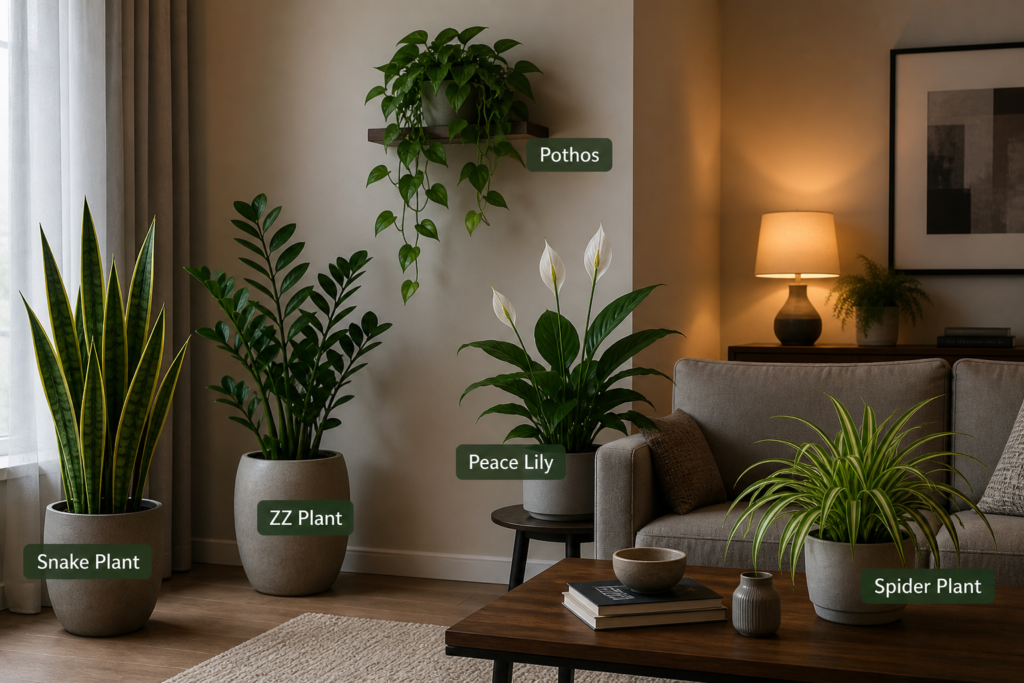
The best indoor plants that thrive without direct sunlight include:
- Snake Plant
- ZZ Plant
- Pothos
- Peace Lily
- Spider Plant
- Cast Iron Plant
- Chinese Evergreen
These plants are reliable choices for low-light homes, offices, bathrooms, bedrooms, and darker corners.
Which Indoor Plants Actually Thrive Without Sunlight?
Not every plant sold as “low light” truly performs well in low light. Some only survive for a short time, while others stay healthy for years. A thriving plant keeps strong leaves, steady roots, and stable growth. A surviving plant may stay alive but slowly weaken.
The best low-light plants usually come from shaded forest floors. In nature, they grow under taller trees where sunlight is soft and filtered. This helps them adapt to indoor rooms with weaker light.
Top Indoor Plants That Thrive in Low Light:
Snake Plant
Snake Plant is one of the most durable indoor plants. Its thick upright leaves store water, making it excellent for beginners and forgetful plant owners.
Best for:
- bedrooms
- offices
- apartments
- hallways
Why it works:
- needs little water
- handles low light
- tolerates neglect
ZZ Plant
ZZ Plant is one of the strongest plants for very dark rooms. It stores water in underground rhizomes, helping it survive irregular care.
Best for:
- dark corners
- offices
- low-maintenance homes
Why it works:
- excellent shade tolerance
- drought resistant
- very easy care
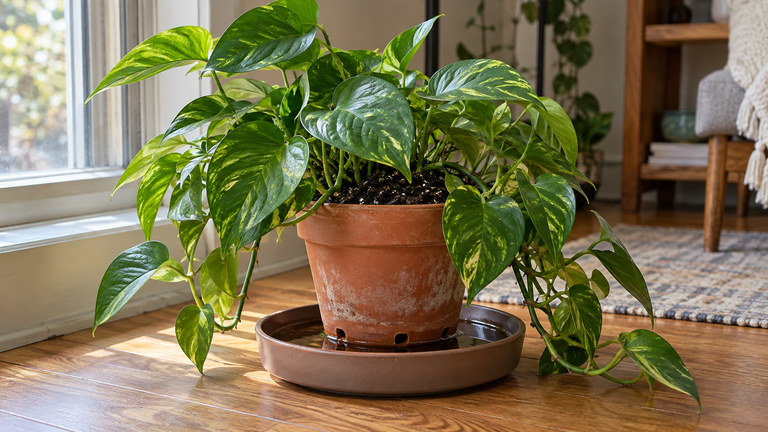
Pothos
Pothos is a flexible trailing plant that grows well in low or indirect light.
Best for:
- shelves
- bathrooms
- hanging baskets
Why it works:
- grows quickly
- adapts easily
- looks decorative
If your room is very dark, choose ZZ Plant. If you want the best all-around plant, choose Snake Plant.
Why Can Some Plants Survive Without Direct Sunlight?
All plants need light, but not all plants need direct sun. Some plants evolved in open, sunny places and need bright light. Others evolved under shade and can use weaker light more efficiently.
Low-light plants survive indoors because they have special adaptations. Many have broader leaves to capture more light. Some grow slowly, which means they need less energy. Others store water in leaves, roots, or rhizomes.
Key Survival Traits of Low-Light Plants
Large Leaves
Plants like Peace Lily and Pothos use broad leaves to collect weak light.
Benefits:
- better light capture
- stronger leaf growth
- improved indoor performance
Slow Growth RATE
Plants like Snake Plant grow slowly, so they need less light and water.
Benefits:
- lower maintenance
- less frequent watering
- stable size
INTERNAL Water Storage
ZZ Plant stores water in its rhizomes.
Benefits:
- survives missed watering
- handles dry rooms
- tolerates neglect
Important clarification About Low-Light Plants
Low-light plants still need:
- indirect daylight
- reflected light
- artificial light
They cannot survive long-term in:
- dark closets
- sealed rooms
- windowless rooms with no lights
The goal is not total darkness. The goal is usable light.
What Is the Difference Between Low Light and No Light?
Low light and no light are very different. Low light still gives plants usable brightness. No light gives them nothing.
Low light can come from shaded windows, north-facing rooms, filtered curtains, reflected daylight, or nearby artificial lighting. A hallway with daylight spill or a corner near a window may still support strong low-light plants.
No light means the space has no usable brightness. This includes closed cabinets, sealed closets, dark storage rooms, and windowless bathrooms where lights stay off most of the day.
Examples of low light:
- shaded corners
- north-facing windows
- hallways with daylight
- rooms with indirect brightness
Examples of no light:
- dark closets
- closed cabinets
- windowless rooms without lighting
Quick Light Test for Beginners test:
If you can read in the room during the day without turning on a light, many low-light plants can survive there. If you cannot, add artificial lighting.
Can Any Indoor Plant Survive in Complete Darkness?
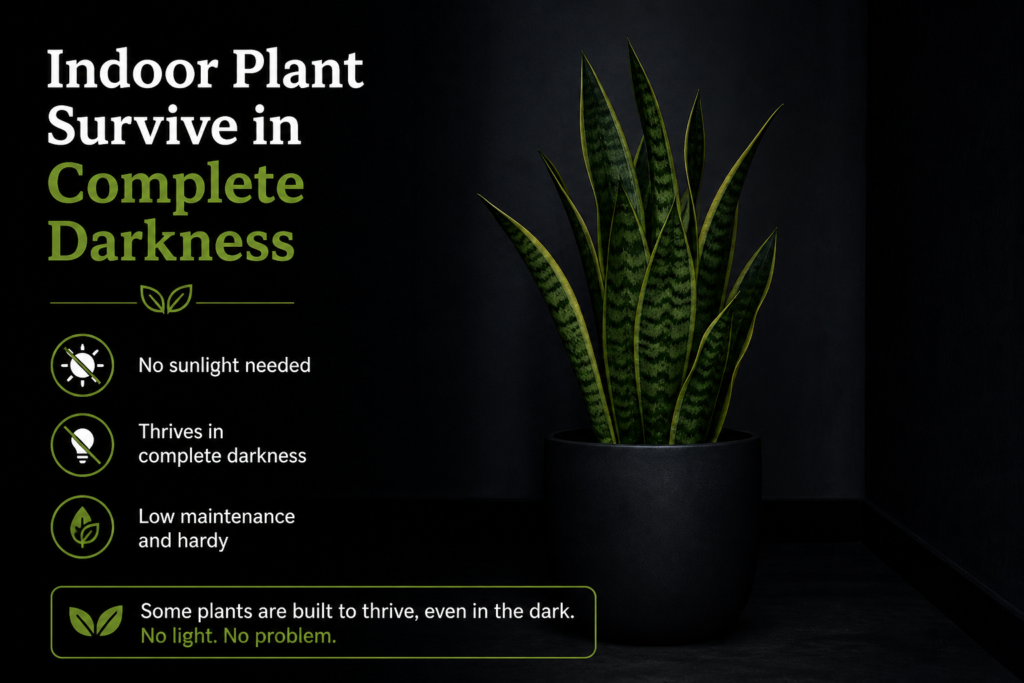
No indoor plant can survive permanently in complete darkness. Plants need light for Photosynthesis, which allows them to produce energy. Without light, energy production stops.
Some plants can stay alive for a while in darkness because they store water and nutrients. ZZ Plant, Snake Plant, and Cast Iron Plant may look fine for weeks or even months in very dark places. But this is temporary. Eventually, stored energy runs out.
Signs of decline include:
- yellow leaves
- weak stems
- no new growth
- root stress
- leaf drop
Plants that last longest in very dark spaces:
- ZZ Plant
- Snake Plant
- Cast Iron Plant
Decision clarity: Darkness vs Low Light
No direct sunlight: possible
No usable light: not sustainable
Best solution for Dark Rooms
If your room has no natural light, use a full-spectrum LED grow light. This provides the energy plants need and prevents slow decline caused by complete darkness.
Which Plant Performs Best in Extremely Low Light?
The best plant for extremely low light is ZZ Plant. It performs better than most houseplants in dark rooms because it stores water and nutrients in underground rhizomes. These reserves help it survive low light and irregular watering.
ZZ Plant also has waxy leaves that reduce moisture loss. This makes it useful for offices, apartments, hallways, and corners where other plants struggle.
Why ZZ Plant wins:
- excellent shade tolerance
- strong drought resistance
- low maintenance
- internal water storage
Second-Best Option: Snake Plant
Snake Plant also performs very well in low light. It grows upright, saves space, and looks clean in bedrooms or offices.
Third-best:
Third-Best Option: Cast Iron PlantCast
Cast Iron Plant is very durable but grows slowly.
Low-Light Performance Comparison
| Plant | Light Tolerance | Water Tolerance | Maintenance |
|---|---|---|---|
| ZZ Plant | Excellent | Excellent | Very low |
| Snake Plant | Excellent | Excellent | Very low |
| Cast Iron Plant | Very Good | Good | Low |
| Pothos | Good | Moderate | Medium |
For darkest rooms, choose ZZ Plant. For better style and durability together, choose Snake Plant.
Snake Plant vs ZZ Plant: Which One Should You Choose?
Snake Plant and ZZ Plant are both excellent low-light plants, but they are not the same. Snake Plant grows upright and narrow. ZZ Plant grows wider and handles very dark rooms slightly better.
Snake Plant is better if you want a clean, vertical plant for bedrooms, corners, and small apartments. ZZ Plant is better if your room is darker and you want maximum survival with little effort.
Choose Snake Plant if:
- space is tight
- you want upright growth
- you like structured design
- you want easy care
Choose ZZ Plant if:
- the room is darker
- you forget watering
- survival matters most
- you want very low maintenance
Snake Plant vs ZZ Plant Comparison:
Water tolerance: ZZ Plant wins
Light tolerance: ZZ Plant wins
Space efficiency: Snake Plant wins
Visual structure: Snake Plant wins
Pet safety: Neither is ideal because both can be toxic if chewed.
Best room match:
Bedroom: Snake Plant
Office: ZZ Plant
Hallway: ZZ Plant
Apartment corner: Snake Plant
Which Indoor Plants Grow Best in Bathrooms?
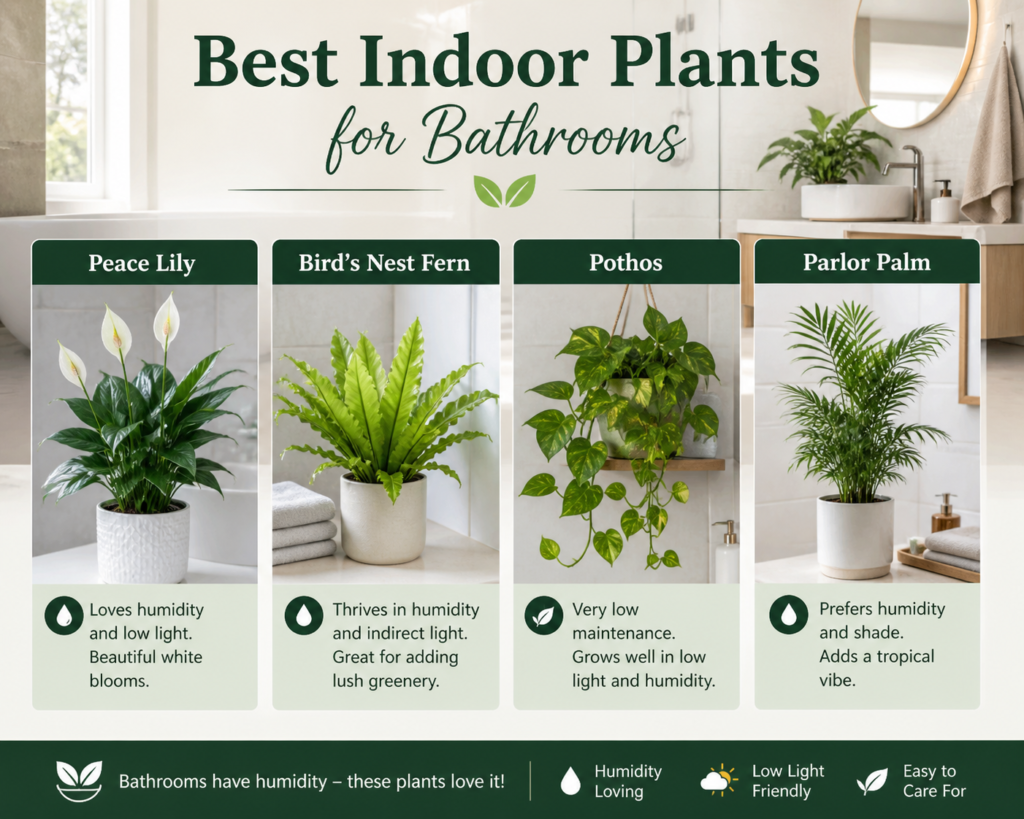
Bathrooms often have humidity, warmth, and low light. This makes them good for tropical shade plants, but not for dry-climate plants like cactus or succulents.
The best bathroom plants enjoy moisture in the air while tolerating weaker light.
Best Indoor Plants for Bathrooms
Peace Lily
Peace Lily is one of the best bathroom plants because it likes humidity and handles low light well.
Best for:
- shelves
- sink counters
- humid corners
Benefits:
- lush green leaves
- flowering potential
- good humidity tolerance
Bird’s Nest Fern
Bird’s Nest Fern loves warm, humid air.
Best for:
- shower-adjacent spaces
- humid bathrooms
- bright indirect bathroom light
Pothos
Pothos works well in bathrooms because it adapts easily and looks attractive in hanging baskets.
Best for:
- shelves
- trailing displays
- hanging planters
Parlor Palm
Parlor Palm is a good pet-safe option for larger bathrooms.
Avoid in bathrooms:
- cactus
- succulents
- dry-climate plants
Best bathroom picks:
Best flower: Peace Lily
Best hanging plant: Pothos
Best humidity lover: Bird’s Nest Fern
Which Low-Light Plants Help Clean Indoor Air?
Indoor plants can support better indoor air quality, but they should not replace ventilation or air purifiers. Their main value is improving the room atmosphere while adding natural beauty.
Some low-light plants are especially popular because they combine easy care with air-supporting benefits.
Snake Plant
Best for:
- bedrooms
- offices
Why it helps:
- low maintenance
- strong indoor adaptability
- compact shape
Peace Lily
Best for:
- humid rooms
- decorative spaces
Why it helps:
- broad foliage
- attractive flowers
- strong visual appeal
Spider Plant
Best for:
- pet-safe homes
- hanging baskets
Why it helps:
- pet-safe
- easy to grow
- beginner-friendly
Decision guide:
Best bedroom air plant: Snake Plant
Best decorative air plant: Peace Lily
Best pet-safe air plant: Spider Plant
Which Low-Light Plant Is Best for Bedrooms?
The best low-light bedroom plant is Snake Plant. Bedrooms often have lower light, limited space, and inconsistent care. Snake Plant handles all three.
Its upright shape makes it ideal for corners, side tables, and narrow spaces. It does not spread aggressively and needs very little water.
Why Snake Plant works best:
- saves space
- tolerates low light
- needs little water
- looks clean and structured
Other good bedroom plants:
Peace Lily
Best for softer, decorative bedrooms.
Pothos
Best for shelves or hanging baskets.
ZZ Plant
Best for bedrooms where low maintenance is the main priority.
Bedroom decision guide:
Small room: Snake Plant
Soft decorative look: Peace Lily
Hanging shelf: Pothos
Lowest effort: ZZ Plant
Which Indoor Plants Are Safest for Pets?
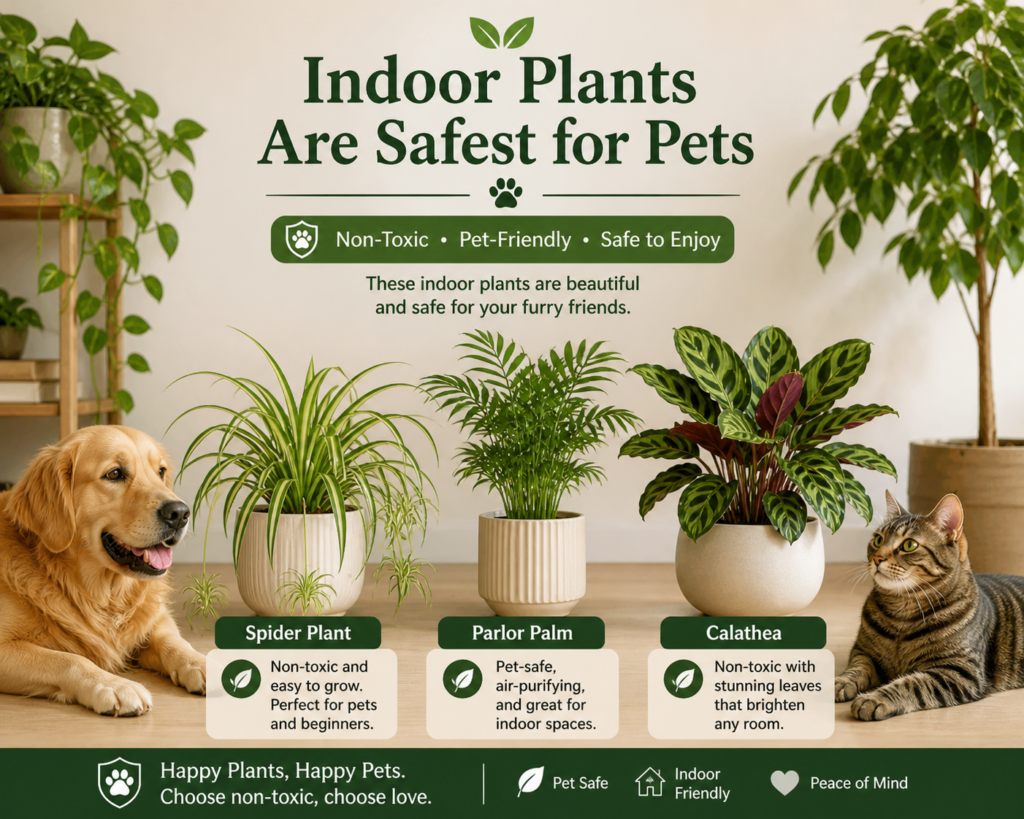
Pet safety matters because many popular indoor plants are toxic to cats and dogs. Even beginner-friendly plants like Pothos, ZZ Plant, Snake Plant, and Peace Lily can cause irritation or digestive problems if chewed.
The best pet-safe low-light plants are Spider Plant, Parlor Palm, and Calathea.
Spider Plant
Spider Plant is one of the safest and easiest choices for homes with pets.
Why it works:
- non-toxic
- beginner-friendly
- low-light adaptable
- easy to propagate
Parlor Palm
Parlor Palm is pet-safe and gives a soft tropical look.
Calathea
Calathea is pet-safe and decorative, but it needs more consistent moisture.
Avoid if pets chew plants:
- ZZ Plant
- Pothos
- Peace Lily
- Snake Plant
Pet-safe decision guide:
Cat owner: Spider Plant
Dog owner: Parlor Palm
Decorative foliage: Calathea
What Should You Check Before Buying a Low-Light Plant?
Buying a healthy plant improves your success before you bring it home. Many plant problems begin because people buy stressed plants with pests, root problems, or poor soil.
Start with the leaves. Healthy leaves should look firm, clean, and evenly colored. Avoid plants with many yellow leaves, black spots, sticky residue, or torn foliage.
Next, check the roots if possible. Healthy roots are usually white, cream, or light tan and feel firm.
Buying checklist:
Choose plants with:
- healthy leaves
- clean stems
- firm roots
- no visible pests
- drainage holes
- stable pot size
Check under leaves for:
- webs
- small insects
- white patches
- sticky residue
Avoid:
- soggy soil
- bad smell
- damaged stems
- overcrowded roots
How Often Should Low-Light Plants Be Watered?
Low-light plants need less water because they grow more slowly. Less light means less evaporation, lower energy use, and slower water consumption. This is why overwatering is the most common mistake.
Do not water by calendar alone. Check the soil first. If the top layer is dry, water. If the soil is still moist, wait.
Watering guide:
Snake Plant
Water every 2–4 weeks.
ZZ Plant
Water every 2–3 weeks.
Pothos
Water every 7–10 days.
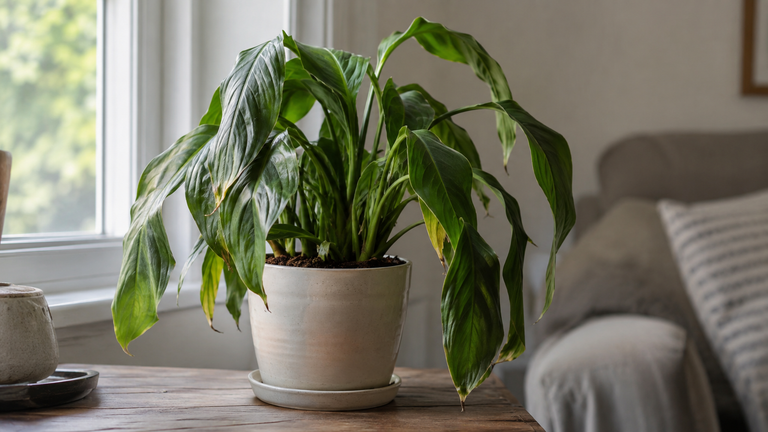
Signs of thirst:
- drooping leaves
- dry soil
Peace Lily
Water about weekly.
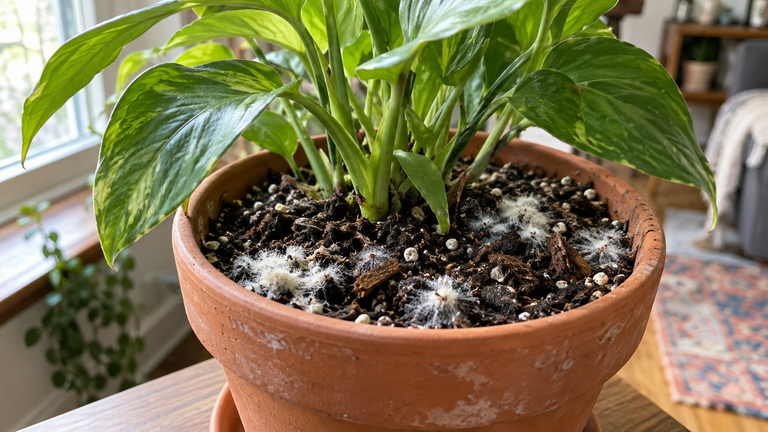
Signs of overwatering:
- yellow leaves
- soft stems
- soggy soil
- fungus smell
Watering rules:
- use drainage holes
- empty trays
- reduce watering in winter
- avoid oversized pots
If unsure, wait.
What Do Yellow Leaves Mean on Low-Light Plants?
Yellow leaves can mean several things, but the most common cause in low-light plants is overwatering. Because these plants use less water, wet soil can stay wet too long and stress the roots.
Other causes include natural aging, pests, poor drainage, nutrient imbalance, or sudden light changes.
Signs of overwatering:
- soft yellow leaves
- wet soil
- drooping stems
- bad smell
Signs of underwatering:
- dry crispy edges
- curled leaves
- dry soil
Pest signs:
- webbing
- sticky residue
- spots
- small insects
Plant-specific notes:
Peace Lily: sensitive to watering changes
Pothos: can yellow from both overwatering and underwatering
Always diagnose before treating.
Can Artificial Light Replace Sunlight?
Yes, artificial light can replace sunlight for many low-light indoor plants if it is consistent and strong enough. This is useful for offices, basements, apartments, and windowless bathrooms.
The best option is a full-spectrum LED grow light. It gives plants usable light without too much heat.
Benefits:
- energy efficient
- low heat
- long lifespan
- plant-friendly spectrum
Best setup:
Distance: 12–24 inches above foliage
Duration: 12–14 hours daily
Best plants under artificial light:
- Pothos
- ZZ Plant
- Snake Plant
- Philodendron
Artificial light only needs to provide consistent usable energy.
How Far Can Low-Light Plants Be From Windows?
Distance from windows matters because light strength drops quickly as you move away from the source. Even low-light plants need usable brightness.
Most low-light plants do best within 1–6 feet of a window. Strong plants like ZZ Plant, Snake Plant, and Cast Iron Plant can survive farther away, but growth usually slows.
Distance guide:
1–3 feet: best for most low-light plants
3–6 feet: acceptable for strong shade plants
6+ feet: riskier without grow lights
Best plants far from windows:
- ZZ Plant
- Snake Plant
- Cast Iron Plant
Plants that prefer being closer:
- Peace Lily
- Pothos
- Spider Plant
What Common Mistakes Kill Low-Light Plants?
Low-light plants are easy, but they are not impossible to kill. Most failures happen because of overwatering, poor drainage, wrong placement, or ignoring early stress signs.
The biggest mistake is overwatering. Low light slows plant activity, so soil stays wet longer. Wet soil blocks oxygen around roots and can lead to root rot.
Common mistakes:
- watering too often
- using pots without drainage
- placing plants in total darkness
- ignoring pests
- letting dust cover leaves
Signs of trouble:
- yellow leaves
- mushy stems
- black roots
- foul soil smell
- slow growth
Prevention tips:
- check soil before watering
- use airy potting mix
- wipe leaves every few weeks
- inspect for pests
- avoid dark closets and cabinets
How Does Winter Affect Low-Light Indoor Plants?
Winter changes indoor plant care because light levels drop, days become shorter, and indoor heating dries the air. Even low-light plants slow down during winter.
Slower growth means plants need less water. Many owners continue watering at summer levels, which causes root stress.
Winter care tips:
- reduce watering
- move plants closer to windows
- wipe dust from leaves
- rotate plants for even light
Plants affected most:
- Peace Lily
- Calathea
- Ferns
Winter Watering Example:
Snake Plant may need watering every 3–4 weeks in winter.
Which Indoor Plant Is Best for Beginners?
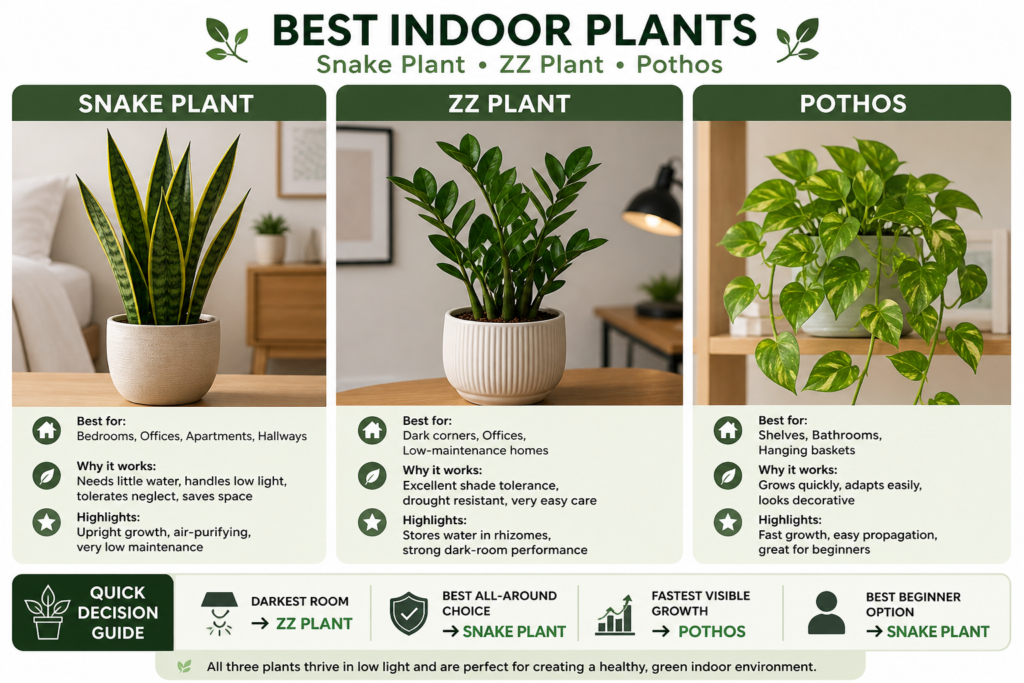
The best beginner plant is Snake Plant. It tolerates missed watering, low light, dry indoor air, and irregular care better than most houseplants.
Why Snake Plant is ideal:
- drought resistant
- low-light tolerant
- space efficient
- simple care
Second-best:
ZZ Plant
Best for very dark rooms.
Third-best:
Pothos
Best for people who want fast visible growth.
Beginner decision guide:
Forgetful: Snake Plant
Very dark room: ZZ Plant
Fast growth: Pothos
Pet-safe: Spider Plant
Which Low-Light Plants Grow the Slowest?
Slow-growing plants are best for people who want low maintenance. They need less pruning, less repotting, and less adjustment.
The slowest low-light plant among popular choices is Snake Plant.
Other slow growers include:
- Cast Iron Plant
- ZZ Plant
Benefits:
- fewer repots
- less pruning
- stable shape
- easier care
Fastest grower:
Pothos
When Should You Repot Low-Light Indoor Plants?
Low-light plants do not need frequent repotting because they usually grow slowly. Repot only when the roots show signs of crowding.
Signs it is time to repot:
- roots through drainage holes
- water drains too fast
- slowed growth
- roots circling the pot
General timing:
Snake Plant: every 2–3 years
ZZ Plant: every 2–3 years
Pothos: every 1–2 years
Best season: spring
Repotting tips:
- increase pot size gradually
- refresh soil
- inspect roots
- avoid oversized pots
Mini Case Study: Which Plant Performs Best in Real Apartment Conditions?
Three common low-light plants were compared:
- Snake Plant
- ZZ Plant
- Pothos
Conditions:
- indirect light only
- air conditioning daily
- average humidity
- no grow lights
Results:
ZZ Plant showed the strongest survival performance.
Snake Plant remained balanced and stable.
Pothos grew fastest but needed more watering.
Final results:
Best survival: ZZ Plant
Best balance: Snake Plant
Fastest growth: Pothos
How Do You Choose the Right Indoor Plant for Your Space?
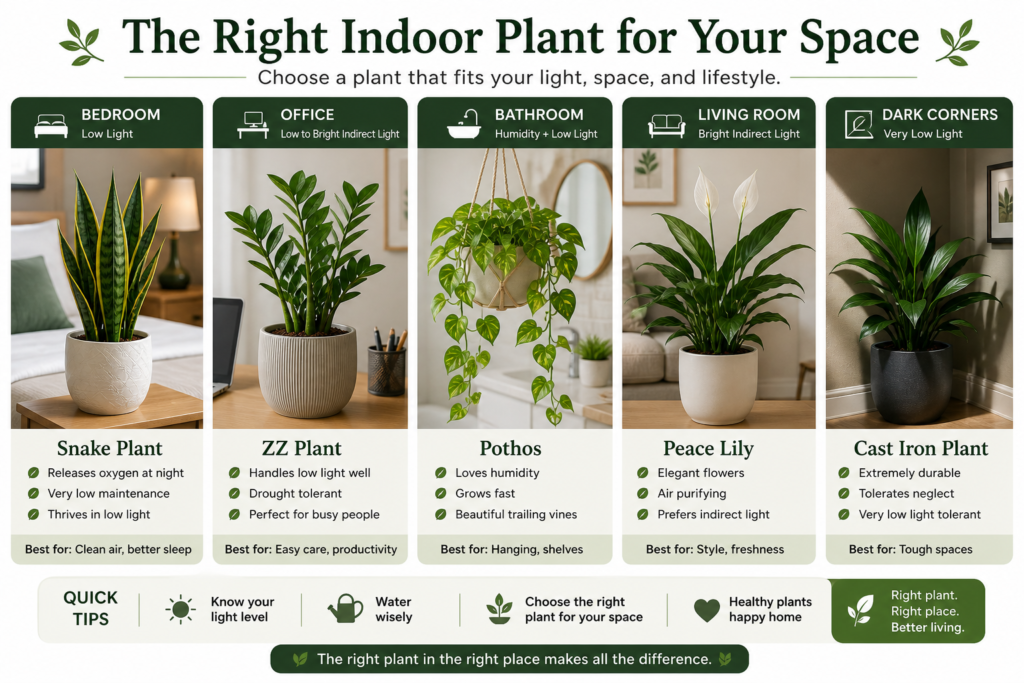
The best plant is the one your room and habits can support.
Start with your light:
Very low light:
ZZ Plant
Low indirect light:
Snake Plant
Moderate indirect light:
Pothos
Then care habits:
Forgetful watering: Snake Plant or ZZ Plant
Regular watering: Peace Lily or Pothos
Pet household: Spider Plant, Parlor Palm, or Calathea
Room-by-room:
Bedroom: Snake Plant
Bathroom: Peace Lily
Office: ZZ Plant
Living room: Pothos
Dark hallway: ZZ Plant
Final best choices:
Best all-around: Snake Plant
Best darkest room: ZZ Plant
Best decorative growth: Pothos
Best pet-safe: Spider Plant
Best flowering: Peace Lily
FAQ sECTION
Can indoor plants survive in rooms with no windows?
Yes, but only with artificial lighting support. Complete darkness is not sustainable for any plant.
Which plant survives the darkest indoor space?
ZZ Plant performs best in extremely low-light spaces.
Which plant is easiest for beginners?
Snake Plant is the easiest beginner-friendly low-light plant.
Which low-light plant grows fastest?
Pothos grows faster than most low-light houseplants.
Are low-light plants good for offices?
Yes. Snake Plant and ZZ Plant perform very well in office conditions.
Which low-light plant is safest for cats?
Spider Plant is one of the safest low-light options.
Can LED lights replace sunlight?
Yes. Full-spectrum LED grow lights can support indoor plants.
What kills low-light plants fastest?
Overwatering is the most common cause of failure.
How often should low-light plants be watered?
Most need less water than bright-light plants. Check soil before watering.
What is the best overall low-light plant?
Snake Plant is the best all-around option for most homes.
Myra is the founder and lead writer of Plantsaholic. She shares practical, research-backed advice on indoor plants, outdoor gardening, flowers, herbs, succulents, and everyday plant care. Her goal is to help gardeners of all experience levels grow healthier plants through simple, easy-to-follow gardening guides.