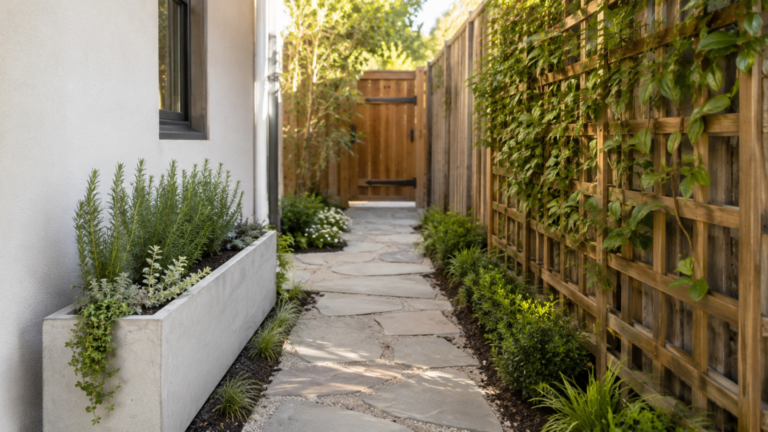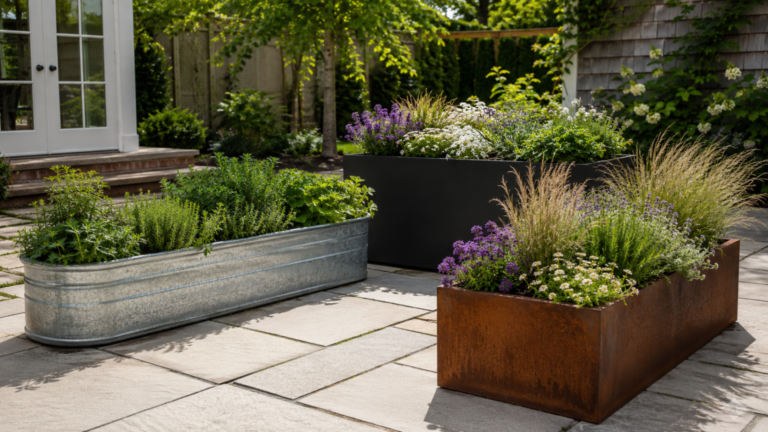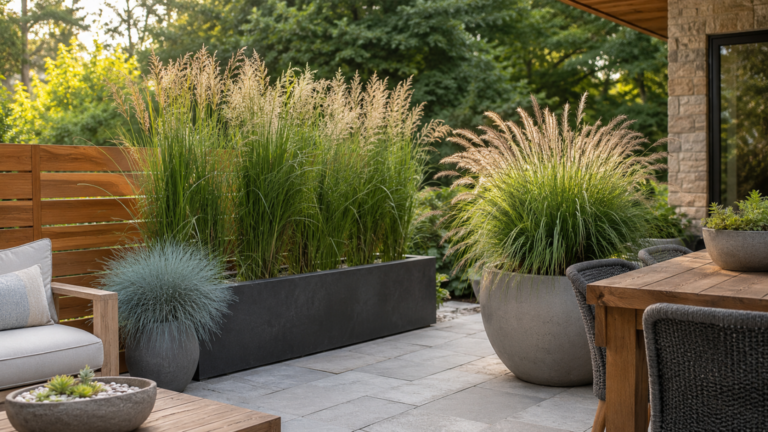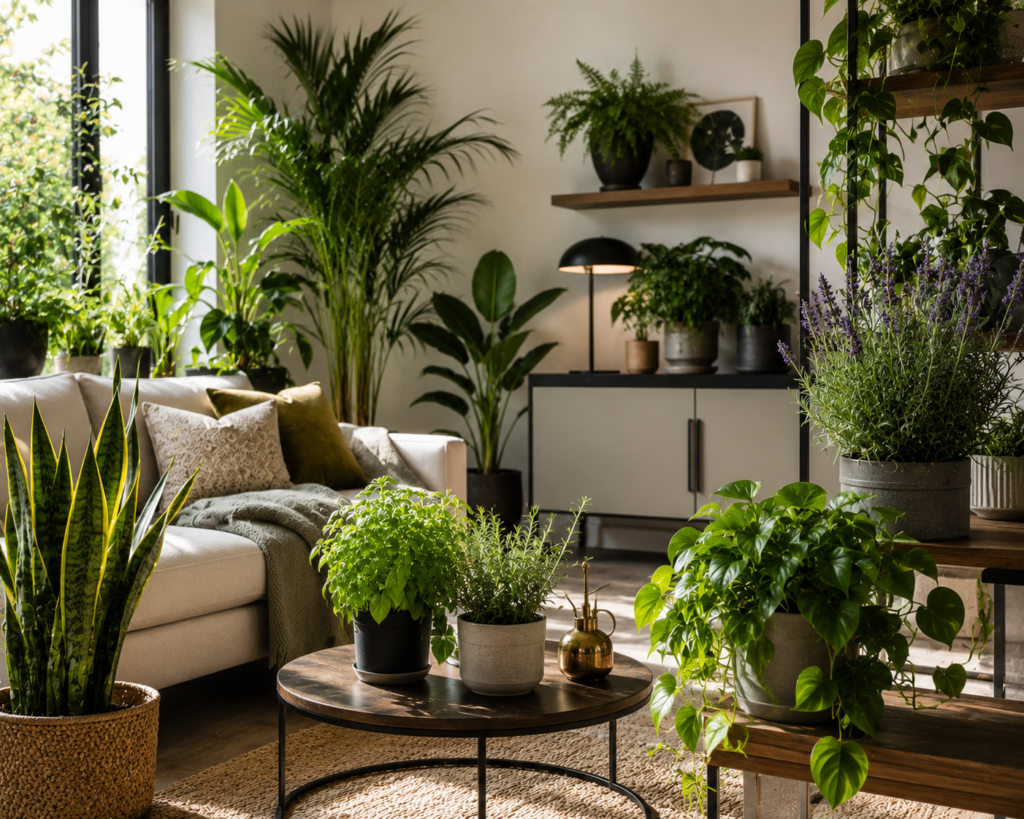
Functional plants are plants that provide practical benefits beyond decoration. They improve indoor air quality, support wellness, produce edible ingredients, repel insects, regulate humidity, and help create healthier living environments. Many functional plants also combine beauty with usability, making them ideal for modern homes, apartments, offices, kitchens, and balconies.
Functional plants combine natural beauty with practical everyday benefits. They may support wellness, produce edible ingredients, improve indoor comfort, regulate humidity, repel insects, and help create healthier indoor living spaces.
What Are Functional Plants and Why Are They Important?
Functional plants are plants grown primarily for the practical value they bring into daily life instead of serving only decorative purposes. These plants can improve indoor comfort, support wellness, provide edible ingredients, help regulate humidity, reduce visual stress, and even contribute to sustainable living habits. Functional plants combine beauty with practical everyday use.
Functional plants also create stronger long-term engagement because homeowners actively interact with them through harvesting herbs, using medicinal leaves, maintaining healthier air circulation, or organizing wellness-focused spaces.
Why Functional Plants Matter in Modern Homes
- Combine decoration and practicality
- Improve indoor environmental comfort
- Support wellness-focused lifestyles
- Encourage sustainable living habits
- Increase engagement with indoor gardening
- Provide long-term usability beyond aesthetics
Real-World Insight
A kitchen herb shelf filled with basil, mint, and rosemary becomes more than décor because it directly supports cooking routines every day. Similarly, a bedroom with calming greenery like lavender and snake plants creates a more restorative atmosphere compared to rooms dominated by electronics and artificial surfaces.
Decision Clarity
If homeowners want plants that remain useful long after the initial decorative appeal fades, functional plants provide stronger long-term value than purely ornamental greenery.
What Are the Powerful Main Categories of Functional Plants?
Functional plants are designed to provide real everyday benefits beyond decoration. Some improve indoor comfort, some produce fresh food, while others support wellness, fragrance, humidity balance, or natural pest control. Understanding these categories helps homeowners choose plants based on practical lifestyle needs instead of appearance alone.
These categories are especially important in apartments and smaller homes where space matters. Many people now prefer multi-purpose plants that combine beauty with usefulness. A rosemary plant, for example, can work as an edible herb, aromatic plant, and natural insect-deterring plant at the same time. This practical value is one reason functional gardening continues growing in popularity worldwide.
Powerful Main Categories of Functional Plants
Air-Purifying Plants
- Snake plant
- Spider plant
- Peace lily
- Areca palm
Edible Functional Plants
- Basil
- Mint
- Cherry tomatoes
- Green onions
Medicinal Wellness Plants
- Aloe vera
- Chamomile
- Lemon balm
- Lavender
Aromatic Mood-Boosting Plants
- Rosemary
- Jasmine
- Lavender
- Sage
Natural Pest-Repelling Plants
- Citronella grass
- Basil
- Lemongrass
- Mint
Wellness-Focused Comfort Plants
- Lavender
- Peace lily
- Pothos
- Boston fern
Real-World Insight
Experienced indoor gardeners often organize plants by function instead of appearance alone. This creates more useful and intentional indoor spaces.
Decision Clarity
Homeowners with limited space should prioritize multi-purpose functional plants because they provide the best balance between beauty, practicality, and long-term value.
How Do Functional Plants Improve Indoor Living Spaces?
Many indoor spaces feel sterile because of artificial materials and limited natural textures. Functional plants soften indoor spaces while supporting wellness, fragrance, humidity, and edible gardening.
A productive herb garden encourages cooking, a calming bedroom plant arrangement supports relaxation, and a balcony filled with useful greenery transforms underutilized space into something practical and enjoyable.
Ways Functional Plants Improve Homes
- Create calmer indoor environments
- Add natural texture and softness
- Support indoor wellness routines
- Improve visual warmth in modern interiors
- Increase indoor humidity slightly
- Encourage healthier lifestyle habits
- Help organize room functionality
Real-World Example
A compact apartment office with pothos, snake plants, and herbs feels significantly less harsh than a workspace filled only with electronics and artificial materials. The greenery softens visual fatigue while improving the emotional atmosphere of the room.
Deeper Insight
Plants also improve emotional comfort indoors. Functional plants help people feel more connected to natural systems, which becomes increasingly valuable in urban living environments dominated by concrete and digital screens.
Decision Clarity
People looking to improve indoor comfort should prioritize plants that serve multiple purposes because multi-functional greenery provides stronger emotional and practical value over time.
Which Functional Plants Work Best in Each Room?
Different rooms create different growing conditions, which means certain functional plants naturally perform better in specific spaces. Kitchens usually provide warmth and sunlight, bathrooms offer humidity, while bedrooms benefit from calming low-maintenance greenery. Matching plants to the right room improves both plant health and indoor comfort.
Plants perform best when matched to the purpose of each room.
Best Functional Plants by Room
| Room | Best Functional Plants | Powerful Main Benefit |
| Bedroom | Snake plant, lavender | Relaxing and calming atmosphere |
| Kitchen | Basil, rosemary, parsley | Fresh edible ingredients |
| Bathroom | Pothos, ferns, calatheas | Humidity-loving greenery |
| Office | ZZ plant, pothos | Stress-free low maintenance |
| Balcony | Citronella, tomatoes | Pest protection + edible gardening |
| Living Room | Rubber plant, peace lily | Comfort and visual softness |
Important Placement Tips
- Match plants to natural sunlight levels
- Avoid overcrowding smaller spaces
- Keep edible herbs near bright windows
- Place calming plants in relaxing areas
- Use humidity-loving plants in bathrooms
- Rotate plants seasonally for healthier growth
Real-World Example
A bathroom with pothos and ferns often feels more relaxing and spa-like, while a kitchen with fresh herbs becomes more practical and inviting.
Decision Clarity
The best indoor plant setups happen when homeowners prioritize room function first and decoration second.
Best Functional Plants Comparison Table
| Plant | Main Function | Best Room | Maintenance | Light Needs |
| Snake Plant | Air support | Bedroom | Low | Low–Medium |
| Basil | Edible use | Kitchen | Medium | Bright |
| Lavender | Wellness | Bedroom/Balcony | Medium | Bright |
| Pothos | Low maintenance | Office | Low | Low–Medium |
| Mint | Edible + fragrance | Kitchen | Low | Bright |
| Spider Plant | Humidity support | Bathroom | Low | Medium |
Which Functional Plants Help Purify Indoor Air?
Air-supportive plants are popular because they help indoor spaces feel fresher and more comfortable. Although plants should not replace ventilation systems, some species are strongly associated with fresher indoor atmospheres.
The popularity of air-supportive plants also comes from their low-maintenance nature. Many air-supportive plants are low maintenance and visually appealing. Some indoor plant popularity also comes from studies like the NASA Clean Air Study.
Best Functional Plants for Air Support
Snake Plant
- Extremely drought tolerant
- Works in low-light rooms
- Excellent for compact spaces
- Strong architectural appearance
Spider Plant
- Beginner friendly
- Helps soften dry rooms
- Pet-friendly option
- Fast-growing indoors
Pothos
- Adaptable trailing growth
- Flexible placement
- Low-maintenance care
- Excellent shelf plant
Peace Lily
- Elegant foliage
- Humidity-friendly growth
- Softens modern interiors
- Strong ornamental value
Real-World Insight
Bedrooms and home offices benefit the most from air-supportive plants because these are spaces where people spend extended hours every day. Even a few strategically placed plants can visually transform these environments into calmer and fresher-feeling spaces.
Decision Clarity
For beginners seeking the easiest functional air-supportive plants, snake plants and pothos offer the strongest combination of survivability, adaptability, and visual impact.
What Are the Best Functional Plants for Kitchens?
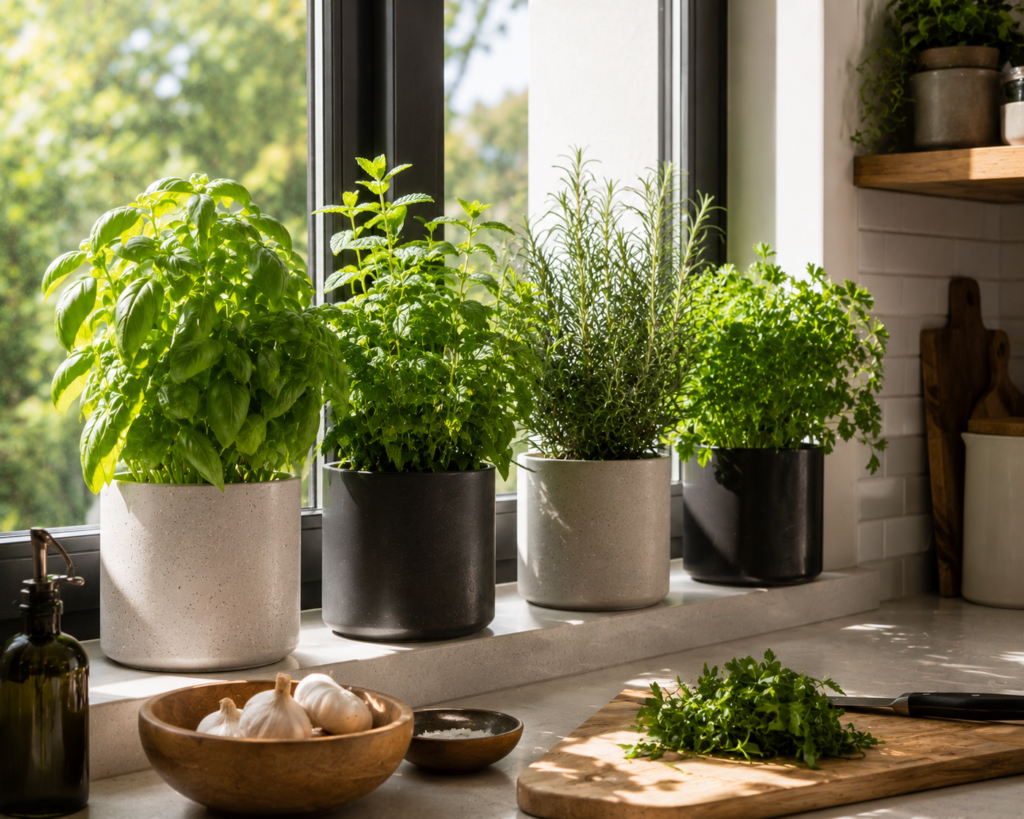
Kitchens are one of the best locations for functional plants because they naturally combine sunlight, daily activity, warmth, and practical routines. Functional kitchen plants support cooking, fragrance, and household usability beyond decoration.
Kitchen plants usually thrive because they receive regular daily attention. Basil and rosemary are essential plants in most indoor herb garden setups.
Best Functional Kitchen Plants
Basil
- Ideal for sauces and salads
- Fast-growing herb
- Strong culinary value
- Thrives in sunlight
Mint
- Refreshing fragrance
- Excellent for tea and desserts
- Fast container growth
- Beginner friendly
Rosemary
- Culinary and aromatic use
- Drought tolerant
- Decorative evergreen foliage
- Excellent balcony herb
Parsley
- Compact indoor growth
- Frequent harvesting potential
- Multi-purpose culinary herb
- Continuous productivity
Real-World Example
A sunny kitchen windowsill with basil, rosemary, parsley, and mint creates a productive mini-garden that improves both cooking quality and interior atmosphere at the same time.
Decision Clarity
For maximum long-term success, homeowners should prioritize herbs they genuinely use in everyday cooking instead of choosing plants only for appearance.
How Do Functional Plants Powerfully Support Sustainable Living?
Functional plants support sustainable living by reducing waste, encouraging home food production, and creating healthier indoor environments. Unlike disposable décor, living plants continue growing and providing long-term everyday value.
Powerful Sustainability Benefits of Functional Plants
Reduced Packaging Waste
Fresh herbs grown at home help reduce grocery packaging and plastic waste.
Localized Food Production
Indoor edible gardening supports fresher home-grown ingredients and shorter supply chains.
Natural Environmental Awareness
Plants increase awareness of sunlight, airflow, humidity, and seasonal conditions.
Long-Term Living Value
Healthy plants can continue thriving for years with proper care.
Functional Gardening and Modern Sustainable Living
People increasingly choose functional plants because they support:
- Greater self-sufficiency
- Reduced food waste
- Healthier indoor spaces
- Greener living environments
- Lower environmental impact
Decision Clarity
Functional plants support sustainable living by combining practical daily benefits with long-term environmental value.
How Functional Plant Needs Change Across Seasons
Functional plants do not grow the same way throughout the year. Seasonal changes in sunlight, humidity, temperature, and airflow directly affect watering needs, edible production, and overall plant health.
Seasonal care is especially important for herbs and tropical plants.
Common Seasonal Plant Changes
Winter
- Slower growth
- Reduced watering needs
- Dry indoor air
- Lower edible production
Summer
- Faster growth cycles
- Increased water demand
- Stronger sunlight exposure
- Higher herb productivity
Transitional Seasons
- Growth fluctuations
- Changing light conditions
- Increased pest monitoring
- Seasonal adjustment periods
Real-World Insight
Strong heating and air conditioning systems often create stressful indoor environments that negatively affect tropical plants.
Important Seasonal Tips
- Reduce watering during winter
- Move plants toward brighter windows
- Monitor dry indoor air
- Improve airflow during hot weather
- Expect slower winter herb growth
Decision Clarity
Homeowners who adjust plant care seasonally usually experience healthier growth and fewer long-term indoor gardening problems.
Functional Plants vs Decorative Plants: What Is the Difference?
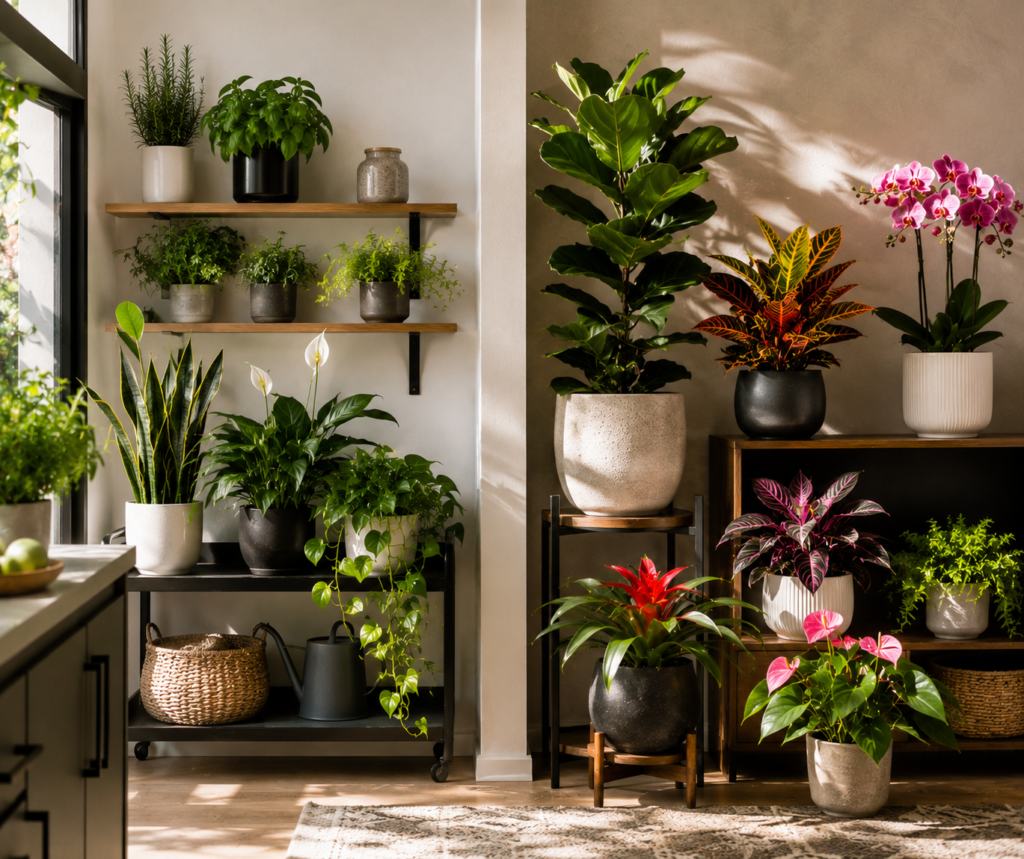
Decorative plants primarily focus on visual aesthetics, while functional plants prioritize practical usefulness alongside appearance.
However, the two categories often overlap. Many modern houseplants successfully combine both functions.
Decorative Plant Priorities
- visual beauty
- rare foliage
- dramatic appearance
- interior styling
Functional Plant Priorities
- wellness support
- edible production
- humidity regulation
- fragrance
- environmental usability
How Should You Strategically Arrange Functional Plants for Maximum Impact?
Strategic plant placement improves both practicality and visual atmosphere inside a home. Functional gardening works best when plants support the purpose and mood of each room instead of being placed randomly.
Thoughtful arrangement also helps homes feel calmer, more balanced, and intentionally designed.
Best Powerful Placement Strategies
Kitchen
Focus on:
- Fresh herbs
- Edible plants
- Fragrant greenery
Bedroom
Focus on:
- Calming plants
- Low-maintenance greenery
- Soft foliage
Bathroom
Focus on:
- Humidity-loving tropical plants
Ferns and pothos are commonly used as bathroom plants because they tolerate humidity well.
Office
Focus on:
- Productivity plants
- Upright greenery
Balcony
Focus on:
- Edible plants
- Insect-repelling plants
- Privacy greenery
Practical Arrangement Tips
- Avoid overcrowding
- Match plants to available sunlight
- Group similar moisture needs
- Use vertical space efficiently
- Combine beauty with function
Decision Clarity
Strategic plant arrangement creates more functional, relaxing, and visually balanced indoor spaces.
What Are the Best Functional Plants for Small Apartments?
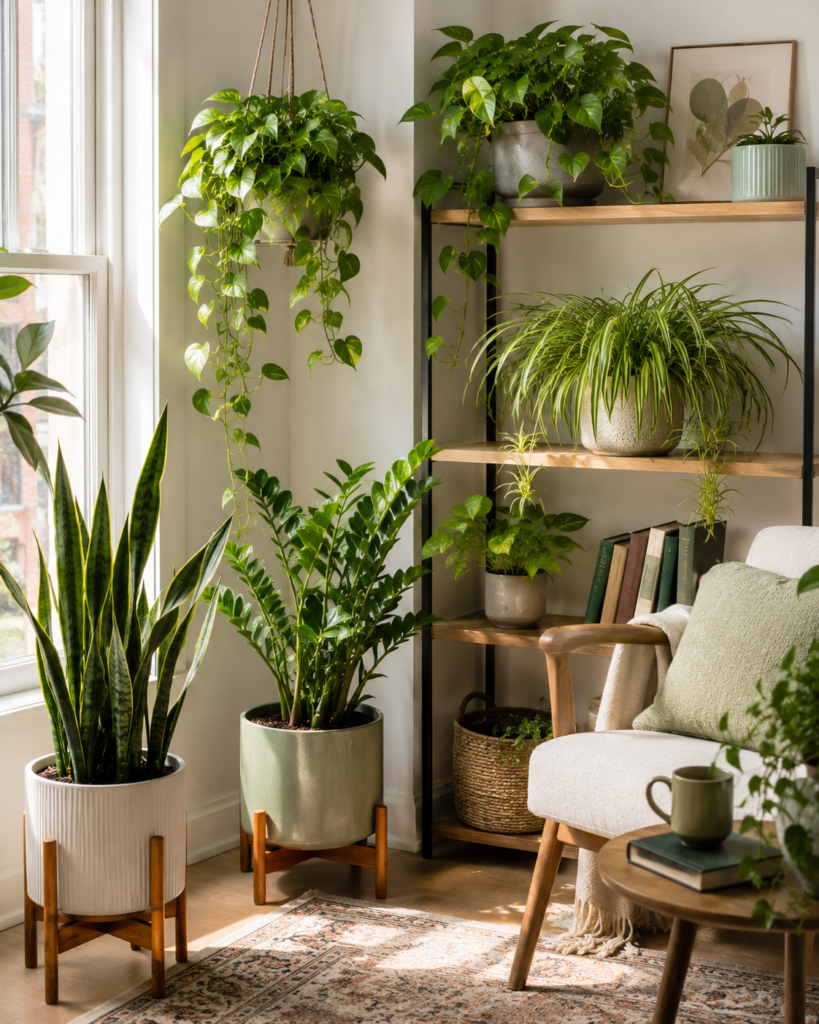
Small apartments require smarter plant choices because limited space and restricted sunlight make placement more important. The best apartment functional plants are compact, adaptable, low-maintenance, and capable of providing multiple benefits at once.
Apartment gardening works best with resilient low-maintenance plants. Compact pothos and snake plants are among the best apartment plants for small living spaces.
Best Powerful Apartment Functional Plants
Snake Plant
- Space-saving growth
- Stress-free maintenance
- Tolerates lower light
Pothos
- Elegant trailing vines
- Perfect for shelves
- Highly adaptable
Mint
- Compact edible herb
- Fast-growing containers
- Refreshing fragrance
ZZ Plant
- Drought tolerant
- Excellent for offices
- Survives neglect easily
Spider Plant
- Hanging growth habit
- Pet-friendly option
- Easy indoor adaptation
Smart Apartment Gardening Strategies
- Use vertical shelving
- Prioritize multi-purpose plants
- Avoid overcrowding windows
- Rotate plants for better sunlight
- Use hanging planters when possible
Real-World Insight
Many apartment gardeners eventually prefer fewer high-value plants instead of overcrowding small spaces with difficult collections.
Decision Clarity
In small apartments, a few adaptable multi-purpose plants usually create healthier and more visually balanced indoor spaces.
Which Functional Plants Can Produce Food Indoors?
Edible indoor plants have become increasingly popular because they combine sustainability, food production, and decorative greenery within compact living spaces. Indoor edible gardening helps homeowners feel more connected to fresh food production.
Watching herbs regrow indoors creates stronger engagement with edible gardening.
Best Edible Indoor Plants
Green Onions
- Extremely easy to regrow
- Fast harvest cycles
- Compact size
- Excellent beginner plant
Chili Peppers
- Decorative edible plant
- Thrives in containers
- Productive indoor growth
- Bright visual appeal
Lettuce
- Quick harvesting
- Compact indoor growing
- Suitable for apartments
- Continuous leaf production
Cherry Tomatoes
- Balcony-friendly varieties available
- Productive container plant
- Decorative and edible
- Strong sunlight requirement
Real-World Insight
Many homeowners discover that edible indoor gardening changes their relationship with food because harvesting ingredients directly from living plants creates stronger appreciation for freshness and sustainability.
Deeper Insight
Even small edible gardens support healthier lifestyle patterns because homeowners naturally become more attentive to lighting, watering, airflow, and environmental balance.
Decision Clarity
Beginners should start with fast-growing herbs and green onions before attempting larger edible plants that require stronger sunlight and more advanced care routines.
Which Powerful Functional Plants Deliver the Most Benefits at Once?
Some functional plants provide far more value because they combine several household benefits at the same time. These multi-purpose plants are especially useful in apartments and smaller homes where space efficiency matters. Instead of using separate plants for fragrance, edible use, and wellness, homeowners can choose plants that deliver multiple benefits simultaneously.
Plants like rosemary and lavender combine decorative beauty, fragrance, wellness support, and practical household use in one compact plant.
Best Powerful Multi-Function Functional Plants
| Plant | Powerful Main Functions |
| Rosemary | Edible + fragrance + pest deterrence |
| Lavender | Wellness + decorative beauty + aromatic use |
| Mint | Edible + refreshing fragrance + fast growth |
| Aloe Vera | Medicinal use + stress-free maintenance |
| Snake Plant | Air-supportive + compact growth |
| Basil | Cooking + fragrance + decorative greenery |
| Lemongrass | Culinary use + mosquito deterrence |
Why Multi-Function Plants Are So Valuable
- Save valuable indoor space
- Increase long-term practical value
- Reduce unnecessary plant clutter
- Improve everyday usability
- Strengthen lifestyle-focused living
- Support more sustainable homes
Real-World Example
A balcony with rosemary, basil, and lavender becomes decorative, edible, aromatic, and more relaxing compared to spaces filled only with ornamental plants.
Decision Clarity
For apartments and smaller homes, multi-purpose plants provide the strongest overall value because they maximize usefulness without overcrowding living spaces.
How Do Medicinal Plants Support Everyday Wellness?
Medicinal plants have been used for centuries in homes, gardens, and wellness traditions because they provide practical lifestyle support beyond visual beauty. Medicinal plants are mainly used for wellness, fragrance, tea preparation, and skincare support. Lavender and chamomile are popular wellness plants for calming indoor environments.
Many medicinal plants provide several practical benefits at once. Lavender supports relaxation, aloe vera helps skincare routines, and chamomile is commonly used for calming tea preparation.This multi-purpose value makes medicinal plants highly practical indoors.
Popular Medicinal Functional Plants
Aloe Vera
- Common skincare plant
- Drought tolerant
- Compact succulent growth
- Beginner friendly
Lavender
- Strong calming fragrance
- Decorative flowers
- Wellness-oriented atmosphere
- Excellent for bedrooms
Chamomile
- Associated with calming tea
- Delicate visual appearance
- Compact growth habit
- Pollinator-friendly outdoors
Lemon Balm
- Citrus-like aroma
- Herbal tea use
- Refreshing fragrance
- Soft indoor greenery
Important Wellness Considerations
- Avoid exaggerated medical claims
- Research pet toxicity carefully
- Use proper plant identification
- Understand allergy risks
- Treat medicinal plants responsibly
Real-World Example
A bedroom corner with lavender and aloe vera creates both practical wellness value and calming visual softness, making the room feel more restorative and balanced.
Decision Clarity
Medicinal plants work best when viewed as supportive lifestyle greenery rather than miracle health solutions. Their greatest value often comes from routine, fragrance, and environmental comfort.
Common Mistakes People Make With Functional Plants
Many people struggle with functional plants because they choose species that do not match their environment or lifestyle. One of the biggest mistakes is selecting plants only for appearance without considering sunlight, maintenance needs, or room conditions. Functional gardening works best when plants match real indoor conditions.
Another common mistake is overcrowding spaces with too many plants at once. Excessive greenery can reduce airflow, increase maintenance stress, and create uneven lighting conditions, especially in smaller homes and apartments.
Common Functional Plant Mistakes
Ignoring Light Requirements
- Weak indoor herb growth
- Poor edible production
- Slow unhealthy growth
Overwatering
- Root rot damage
- Yellowing leaves
- Fungal problems
Choosing Plants Only for Appearance
- High-maintenance species
- Poor room compatibility
- Unrealistic care expectations
Mixing Incompatible Plants
- Different humidity needs
- Uneven watering requirements
- Environmental stress
Overcrowding Spaces
- Reduced airflow
- Higher pest risks
- Difficult maintenance access
Real-World Example
A common beginner mistake is placing basil in dark kitchens where it becomes weak and unproductive because of insufficient sunlight.
Decision Clarity
The best functional plant strategy is choosing fewer adaptable plants that naturally fit the home environment and lifestyle.
Final Thoughts on Functional Plants and Their Uses
Functional plants offer far more than decorative beauty because they actively improve everyday living. From edible herbs and wellness-focused greenery to air-supportive and low-maintenance plants, functional gardening helps create healthier, more practical, and visually comforting indoor spaces.
As modern homes become smaller and more lifestyle-focused, functional plants continue growing in popularity.
Decision Clarity
The most rewarding functional plants are the ones that naturally fit everyday routines, available space, and realistic care conditions.
FAQ section
What are functional plants?
Functional plants provide practical benefits like wellness support, edible gardening, humidity balance, fragrance, or indoor comfort beyond decoration.
What is the most functional indoor plant?
Snake plants are highly functional because they are low maintenance, adaptable, and suitable for most indoor spaces.
Which functional plants are best for beginners?
Snake plants, pothos, spider plants, aloe vera, and mint are easy beginner-friendly choices.
Which functional plants improve indoor air quality?
Snake plants, pothos, peace lilies, rubber plants, and spider plants are popular air-supportive indoor plants.
What are the best edible functional plants for kitchens?
Basil, rosemary, parsley, mint, thyme, and green onions are excellent kitchen herbs.
Which functional plants help reduce stress?
Lavender, jasmine, pothos, peace lilies, and Boston ferns help create calmer indoor spaces.
Which plants naturally repel mosquitoes?
Citronella grass, basil, lavender, rosemary, mint, and lemongrass are popular mosquito-repelling plants.
Are functional plants good for apartments?
Yes. Snake plants, pothos, ZZ plants, and herbs grow especially well in apartments.
Which functional plants work best in low light?
Snake plants, ZZ plants, pothos, and peace lilies tolerate low-light conditions well.
What are the best multi-purpose functional plants?
Rosemary, lavender, mint, aloe vera, basil, and snake plants provide multiple practical benefits.
What is the difference between decorative and functional plants?
Decorative plants focus on appearance, while functional plants provide practical everyday benefits.
Which functional plants are safest for pet-friendly homes?
Spider plants, Boston ferns, calatheas, basil, and parsley are commonly considered pet-friendlier options.
Can edible plants survive indoors year-round?
Yes. Herbs like basil, mint, parsley, and thyme can grow indoors year-round with proper light.
Why are functional plants becoming more popular?
Functional plants combine beauty with wellness, sustainability, and practical everyday use.
Are functional plants worth the maintenance?
Yes. Functional plants provide long-term value through wellness, edible gardening, and indoor comfort.
Myra is the founder and lead writer of Plantsaholic. She shares practical, research-backed advice on indoor plants, outdoor gardening, flowers, herbs, succulents, and everyday plant care. Her goal is to help gardeners of all experience levels grow healthier plants through simple, easy-to-follow gardening guides.