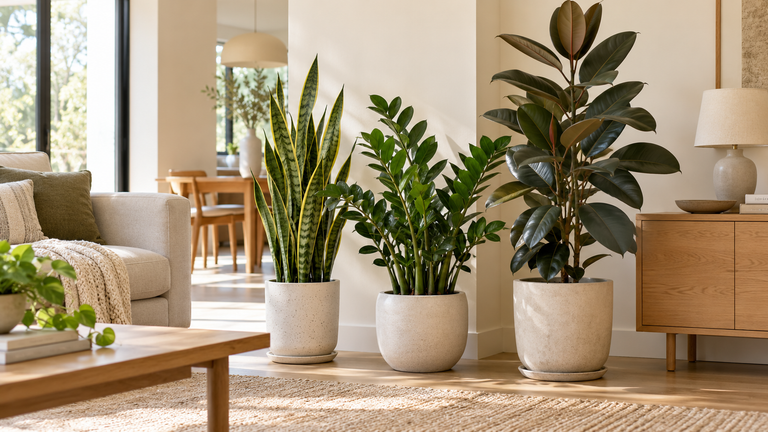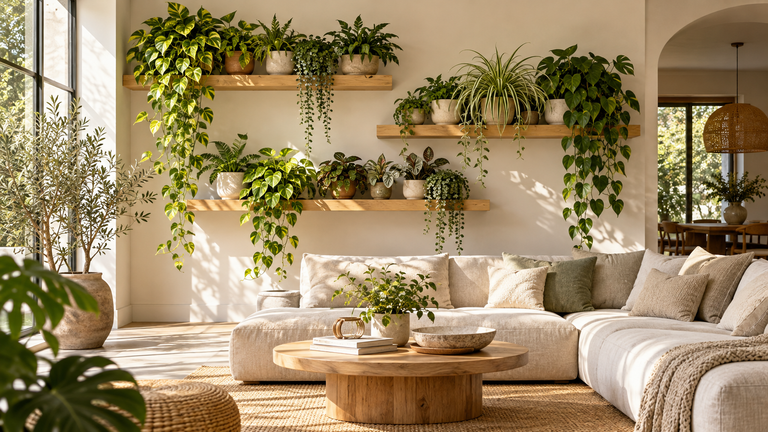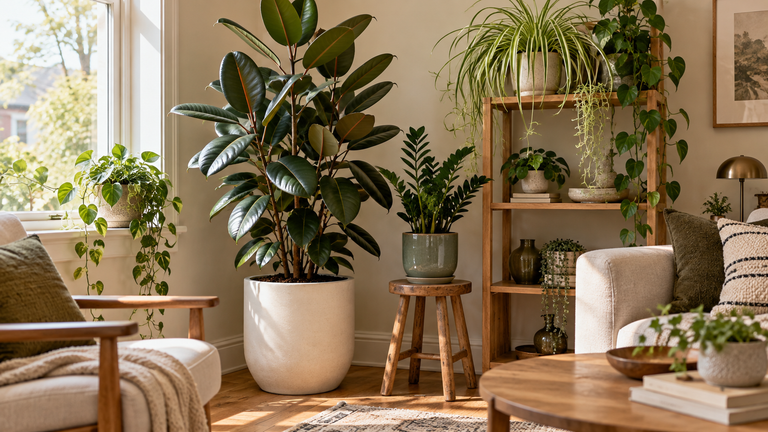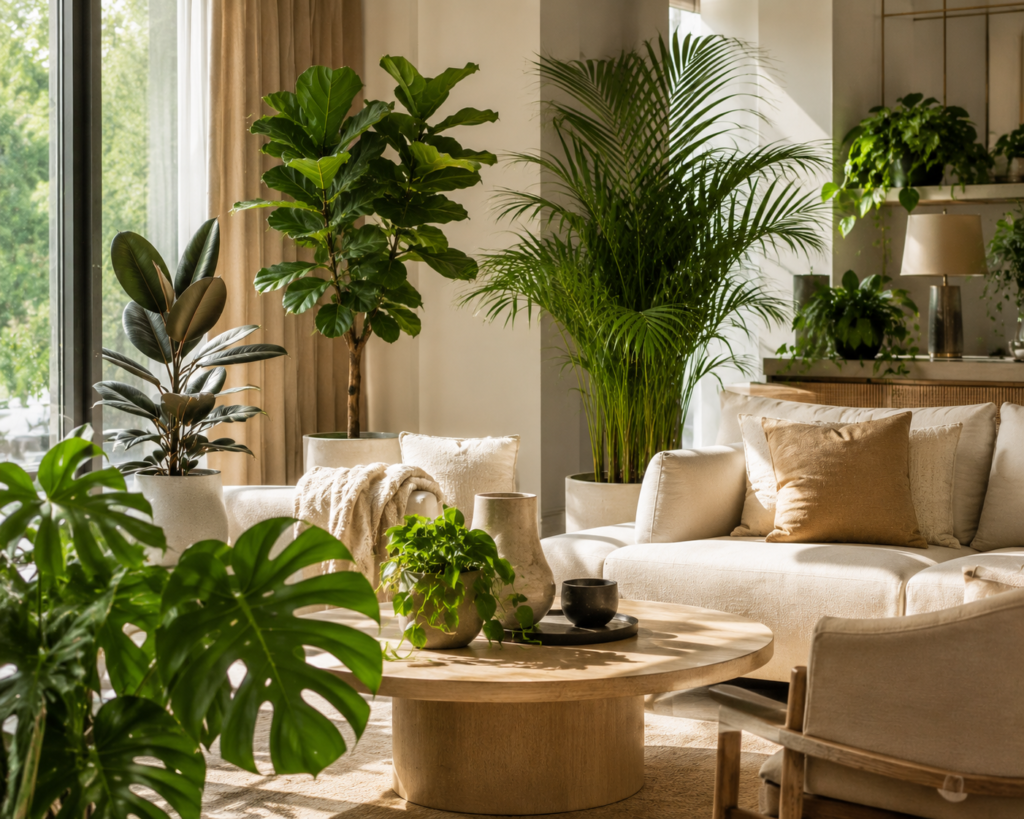
Beautiful decorative plants improve interiors because they introduce structure, texture, color, and movement that furniture alone cannot provide. Some plants create dramatic focal points through oversized tropical foliage, while others improve shelves, desks, and corners with trailing plants or patterned leaves . Decorative beauty usually comes from balanced growth, attractive foliage shape, proportion, texture, and how naturally the plant fits the surrounding interior.
Powerful Features That Make Decorative Plants Look Stunning Indoors
- glossy foliage
- unique leaf patterns
- strong upright growth
- balanced proportions
- tropical leaf texture
- colorful variegation
- compact symmetrical form
- cascading vines
- architectural structure
- dense vibrant leaves
The Best Decorative Plants That Thrive Beautifully Indoors
Decorative indoor plants usually perform best when their growth habits naturally adapt to indoor lighting, airflow, humidity, and space limitations. Some plants become stunning focal points with oversized foliage, while others transform shelves, tables, and corners through compact growth, trailing plants, or patterned foliage
Large statement plants suit open interiors, while compact plants work better in smaller spaces. Cascading decorative plants such as pothos, string of hearts, and philodendrons relax visual structure and hanging displays beautifully. Compact designer plants like peperomia, calathea, and haworthia improve smaller rooms without overwhelming available space. Vibrant foliage plants introduce stronger visual contrast through pink, silver, purple, or patterned leaves that energize neutral interiors naturally.
The Most Popular Decorative Plant Types for Stylish Homes
- dramatic statement plants
- cascading decorative plants
- vibrant foliage plants
- compact designer plants
- lush tropical plants
- elegant flowering plants
- architectural plants
- stylish shelf plants
- hanging plants
- low-maintenance plants
The Most Stunning Decorative Plants for Stylish Homes
The most beautiful decorative plants for homes combine strong visual appeal with adaptability to indoor conditions. These plants remain popular across interior design styles because they add immediate texture, depth, and natural structure to living spaces
Monstera deliciosa remains one of the most recognizable decorative plants because its split tropical leaves create instant visual impact indoors. Rubber plants provide glossy architectural structure that complements minimalist interiors extremely well. Bird of paradise suits large bright interiors. Calatheas add intricate leaf patterns and movement, especially in softer interiors with mixed textures. Pothos and philodendrons remain highly popular in shelves and hanging displays.
The most decorative indoor plants often include:
- monstera deliciosa
- rubber plant
- bird of paradise
- fiddle leaf fig
- snake plant
- ZZ plant
- pothos
- calathea
- anthurium
- indoor palms
- philodendrons
- Chinese evergreen
Choosing the most beautiful decorative plant depends heavily on your interior goals. If you want dramatic impact, large tropical plants usually work best. If you want low-maintenance beauty, structured foliage plants like snake plant or ZZ plant are better long-term choices. Homes with limited light should prioritize adaptable plants instead of difficult high-light tropical species.
Why Decorative Plants Instantly Make Homes Feel More Luxurious
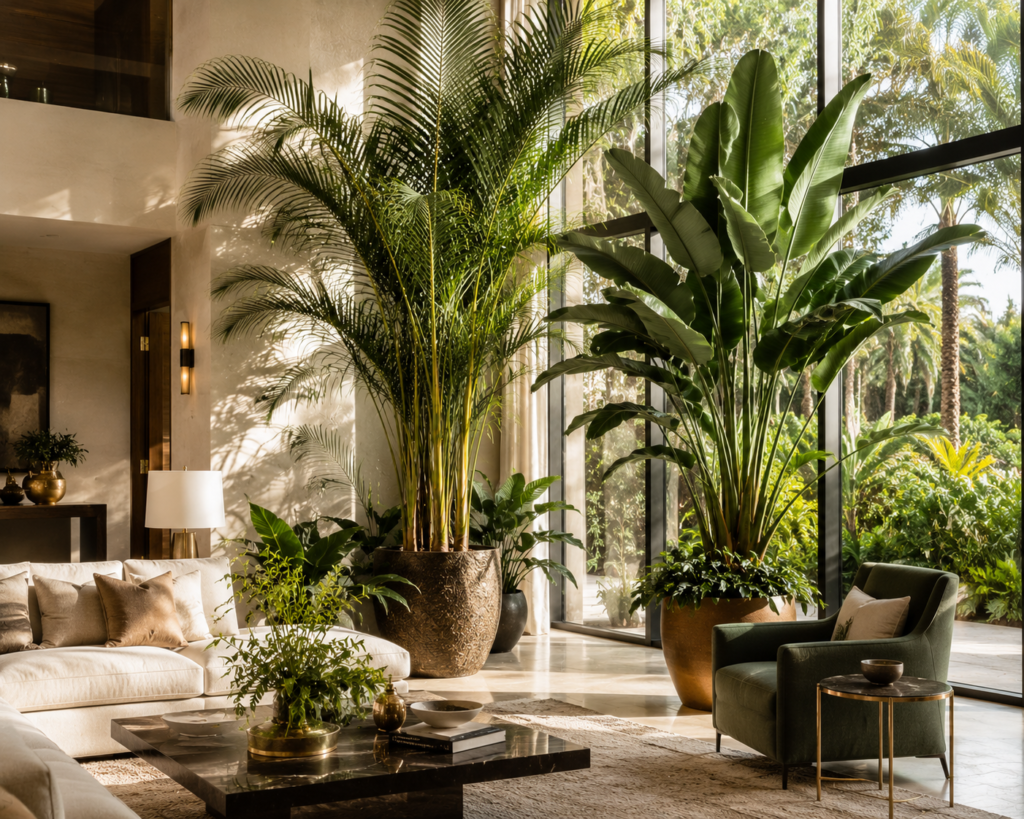
Decorative plants make interiors feel more refined because they add contrast, texture, structure, and stronger dimension that furniture alone cannot provide.
Luxury interiors often use large foliage plants to create stronger structure and contrast.
Large decorative plants create the strongest luxury effect because they introduce dramatic scale and bold focal structure indoors. Large foliage plants beside sofas create stronger focal structure. Smaller decorative plants improve shelves, tables, and transitional spaces through grouped foliage and cleaner composition. Thoughtfully arranged plants usually feel more sophisticated than randomly scattered greenery throughout a room.
How Decorative Plants Instantly Upgrade Indoor Spaces
- organic texture
- stronger dimension
- natural contrast
- architectural balance
- focal structure
- biophilic design appeal
- living decorative character
Even low-maintenance plants like snake plant or rubber plant can make interiors feel more elevated when paired with attractive planters and intentional placement.
The Best Decorative Plants for Every Interior Style
Decorative plants look most striking when their shape, structure, and growth habits match the surrounding interior style. Matching plants with furniture, colors, and materials creates a cleaner and more intentional interior design style.
Modern minimalist interiors often favor sculptural plants like snake plant, rubber plant, and ZZ plant because they maintain sleek architectural shapes. Bohemian interiors usually combine trailing pothos hanging philodendrons, and mixed greenery for a more relaxed organic look. Scandinavian interiors commonly use airy plants with neutral containers, while tropical interiors rely heavily on monsteras, palms, and bird of paradise plants.
The Best Decorative Plants for Every Interior Style
- minimalist: snake plant, rubber plant, ZZ plant
- boho: pothos, philodendron, string of hearts
- Scandinavian: parlor palm, peperomia, monstera
- luxury modern: fiddle leaf fig, bird of paradise, olive tree
- tropical: palms, monstera, alocasia
- earthy interiors: terracotta-paired foliage plants
- industrial: cactus, rubber plant, dracaena
Many interiors look stronger when upright plants are combined with cascading vines instead of repeating one foliage shape throughout the room. Matte ceramic planters suit modern interiors, while woven baskets and textured containers work better in earthy and bohemian spaces.
The Best Decorative Plants to Transform Living Rooms
Living rooms are ideal for larger decorative plants because they usually receive brighter natural light and provide enough space for statement foliage.
Statement plants like monstera deliciosa, bird of paradise, fiddle leaf fig, and rubber plant create bold focal points and balance oversized furniture beautifully. Indoor palms such as areca palm and kentia palm introduce softer tropical texture and natural movement indoors. These larger foliage plants work especially well beside sofas, entertainment units, windows, and open corners where they create stronger decorative scale.
The Most Beautiful Decorative Plants for Living Rooms
- monstera deliciosa
- bird of paradise
- rubber plant
- fiddle leaf fig
- areca palm
- kentia palm
- large philodendrons
- dracaena
- olive tree
- snake plant
Most living rooms look best with one statement plant and several smaller plants. Most living rooms look strongest with one statement plant supported by several smaller foliage plants that soften surrounding furniture and shelves naturally.
Stronger growth also depends on proper placement. Large plants positioned too far from windows may gradually develop weaker growth and sparse leaves over time. Rotating plants occasionally helps maintain fuller and more symmetrical growth indoors.
The Best Decorative Plants for a Calm and Cozy Bedroom
Bedrooms usually work best with compact or medium-sized decorative plants that add greenery without overwhelming the space. Oversized foliage or dense tropical plants can make sleeping areas feel crowded, while smaller foliage plants create a cleaner and more comfortable bedroom setting.
Snake plants adapt well to bedrooms and offices. decorative bedroom plants because their upright growth looks sleek, modern, and easy to maintain. Pothos plants work especially well on shelves and hanging displays, while peace lilies add glossy foliage and elegant white blooms. ZZ plants adapt reliably to lower-light rooms.
The Best Bedroom Plants for a Calm and Stylish Space
- snake plant
- pothos
- peace lily
- ZZ plant
- parlor palm
- philodendron
- peperomia
- calathea
- Chinese evergreen
- spider plant
Small bedside plants and compact arrangements usually work best in bedrooms. Small bedside plants, floating shelf vines, and compact arrangements improve bedrooms without taking excessive space.
Bedroom plants usually work best near windows, dressers, nightstands, or shelves where they improve room flow naturally. Hanging plants can also improve unused vertical space in smaller bedrooms.
The Best Decorative Plants for Small Apartments and Compact Rooms
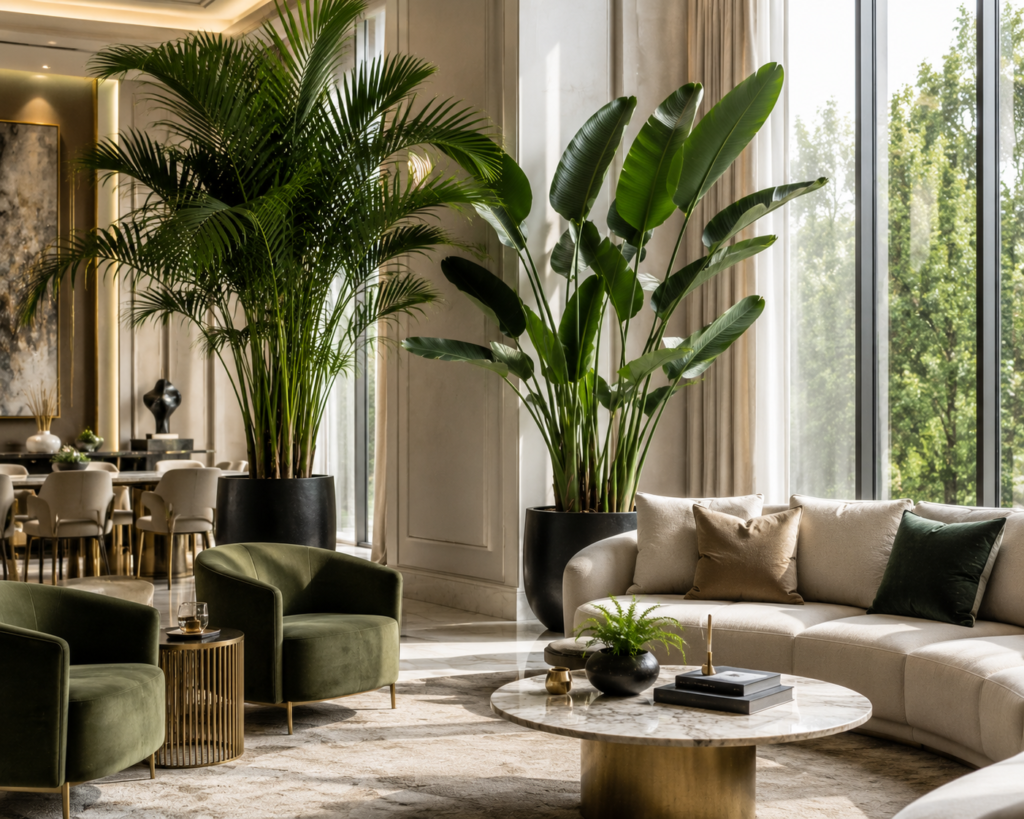
Small apartments and compact rooms need decorative plants that add strong style without occupying too much space.
Small-space decorative plants work best when they remain compact, adaptable, and easy to position indoors. Plants like peperomia, calathea, philodendron, and Chinese evergreen add decorative detail without dominating small interiors. Cascading plants such as pothos and string of hearts improve vertical space naturally without reducing usable floor area.
The Best Decorative Plants for Apartments and Small Rooms
- peperomia
- pothos
- string of hearts
- compact philodendrons
- calathea
- nerve plant
- spider plant
- haworthia
- snake plant
- small ZZ plant
Trailing plants usually feel lighter indoors than dense oversized foliage, while compact vines naturally improve shelves, corners, and furniture edges.
The Best Decorative Plants for Every Home and Lifestyle
Low-maintenance plants like snake plant, ZZ plant, and pothos remain excellent beginner choices because they tolerate inconsistent watering and typical indoor conditions well. Bright rooms support bold tropical plants like monstera and bird of paradise, while lower-light spaces usually benefit more from adaptable foliage plants like Chinese evergreen and philodendron. Compact apartments often work best with cascading vines, hanging plants, and compact tabletop foliage instead of oversized tropical trees.
The Best Decorative Plants for Every Need and Lifestyle
- beginners: pothos, snake plant, ZZ plant
- low light: ZZ plant, peace lily, Chinese evergreen
- bright rooms: monstera, croton, bird of paradise
- luxury interiors: fiddle leaf fig, olive tree, palms
- apartments: peperomia, pothos, philodendron
- bathrooms: fern, calathea, peace lily
- offices: snake plant, dracaena, pothos
- shelves: string of hearts, trailing philodendrons
- modern homes: rubber plant, snake plant, monstera
- pet-conscious homes: parlor palm, calathea, peperomia
The Most Colorful Decorative Plants That Brighten Indoor Spaces
Colorful decorative plants create stronger contrast and visual energy indoors compared to standard green foliage plants. These plants are especially effective in neutral interiors because they introduce reds, purples, pinks, silvers, and patterned foliage that naturally break visual monotony.
Calatheas remain some of the most decorative colorful plants because their foliage contains painted striping, purple undersides, and layered patterns that shift visually throughout the day. Crotons produce bold red, yellow, orange, and green foliage that instantly brightens interiors, while rex begonias create metallic textures and intricate leaf markings rarely seen in traditional houseplants. Aglaonema varieties have also become highly popular because many cultivars feature pink, silver, cream, and red foliage that adapts well indoors.
The Most Eye-Catching Colorful Decorative Plants Indoors
- calathea
- croton
- rex begonia
- aglaonema
- anthurium
- purple passion plant
- polka dot plant
- nerve plant
- coleus
- tradescantia
The Easiest Decorative Plants That Still Look Stunning Indoors
Low-maintenance decorative plants remain extremely popular because many homeowners want beautiful interiors without complicated care routines. Easy-care plants succeed indoors because they tolerate inconsistent watering, changing humidity, and normal indoor lighting conditions while still maintaining attractive foliage.
Snake plants are especially valued because their upright sculptural foliage stays attractive even with minimal attention. ZZ plants remain one of the most reliable indoor plants. Trailing plants remain reliable for shelves and hanging planters. Rubber plants and spider plants also provide strong decorative value while remaining forgiving for beginners.
The Easiest Decorative Plants That Still Look Beautiful
- snake plant
- ZZ plant
- pothos
- spider plant
- rubber plant
- philodendron
- Chinese evergreen
- cast iron plant
- dracaena
- peace lily
Many beginners damage plants through excessive watering, unnecessary fertilizing, or frequent relocation. Easy-care plants tolerate these common mistakes much better.
Simple maintenance habits also improve long-term decorative appearance significantly:
- wipe dust from leaves
- avoid standing water
- rotate plants occasionally
- trim damaged foliage
- use drainage holes
- maintain stable temperatures
How the Right Plant Pots Instantly Upgrade Decorative Styling
Plant containers strongly influence how decorative indoor plants look inside a home. The same plant can appear modern, rustic, luxurious, tropical, or minimalist depending on the pot style, material, color, and size. Pot selection plays a major role in creating visual harmony between plants and surrounding interiors.
Modern homes often pair decorative plants with matte ceramic pots, black planters, or neutral containers because they create clean contrast against green foliage. Woven baskets and textured planters add warmth and softness, while terracotta pots create a rich natural look and improve root airflow.
The Best Plant Pots and Planters for Stylish Interiors
- matte ceramic pots
- terracotta planters
- woven baskets
- elevated plant stands
- sleek minimalist containers
- textured stone pots
- modern neutral planters
- hanging ceramic pots
- ribbed decorative containers
- lightweight luxury planters
How to Choose the Perfect Decorative Plants for Every Room
Choosing decorative plants correctly requires understanding how conditions change throughout a home. Every room has different lighting, airflow, humidity, and space limitations that affect plant health and decorative appearance.
The Most Important Things to Consider Before Choosing Indoor Plants
Lighting
Light intensity determines which decorative plants stay healthy long term.
- bright rooms support bold resort-style styling
- moderate light supports versatile foliage plants
- lower light favors snake plants and ZZ plants
Humidity
Bathrooms usually support humidity-loving resort-style styling better than dry bedrooms or offices.
Maintenance Routine
Busy homeowners often benefit from low-maintenance plants that tolerate occasional neglect.
Interior Style
Plant shapes should complement furniture and room aesthetics.
- modern interiors favor sleek architectural plants
- bohemian rooms favor trailing plants
- tropical interiors favor lush oversized foliage
The Best Decorative Plants for Every Room in Your Home
Best Plants for Stylish Living Rooms
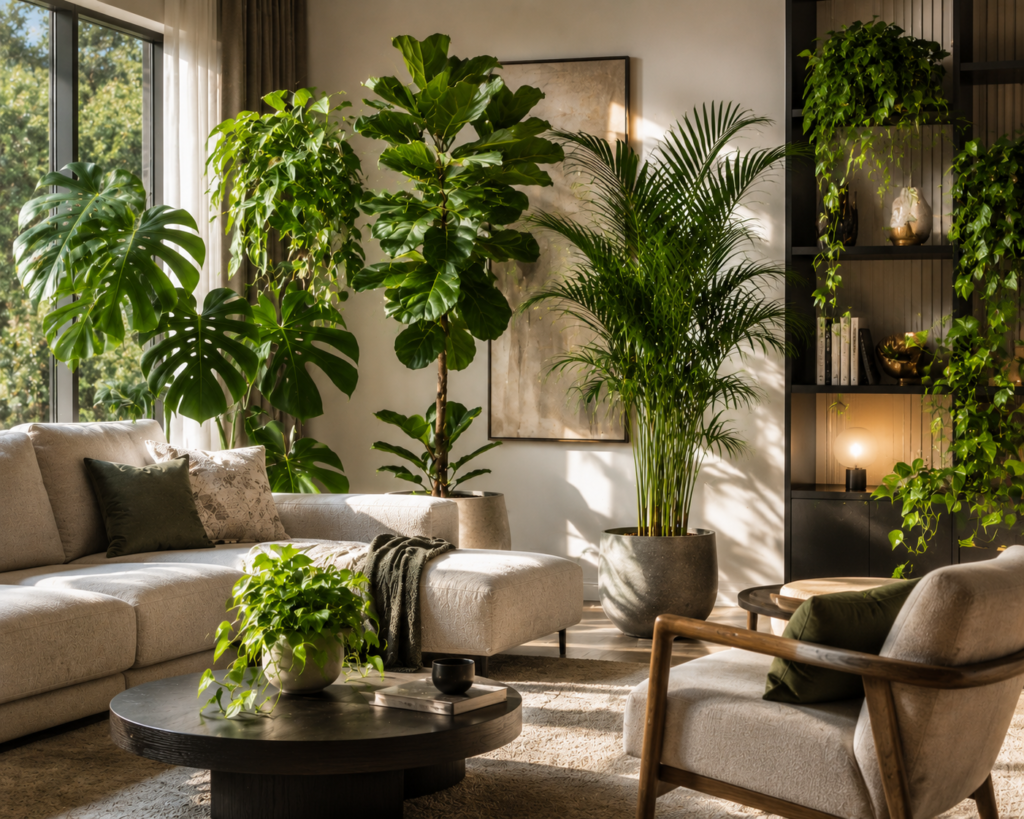
Best for:
- monstera
- rubber plant
- fiddle leaf fig
- palms
Best Plants for Cozy and Relaxing Bedrooms
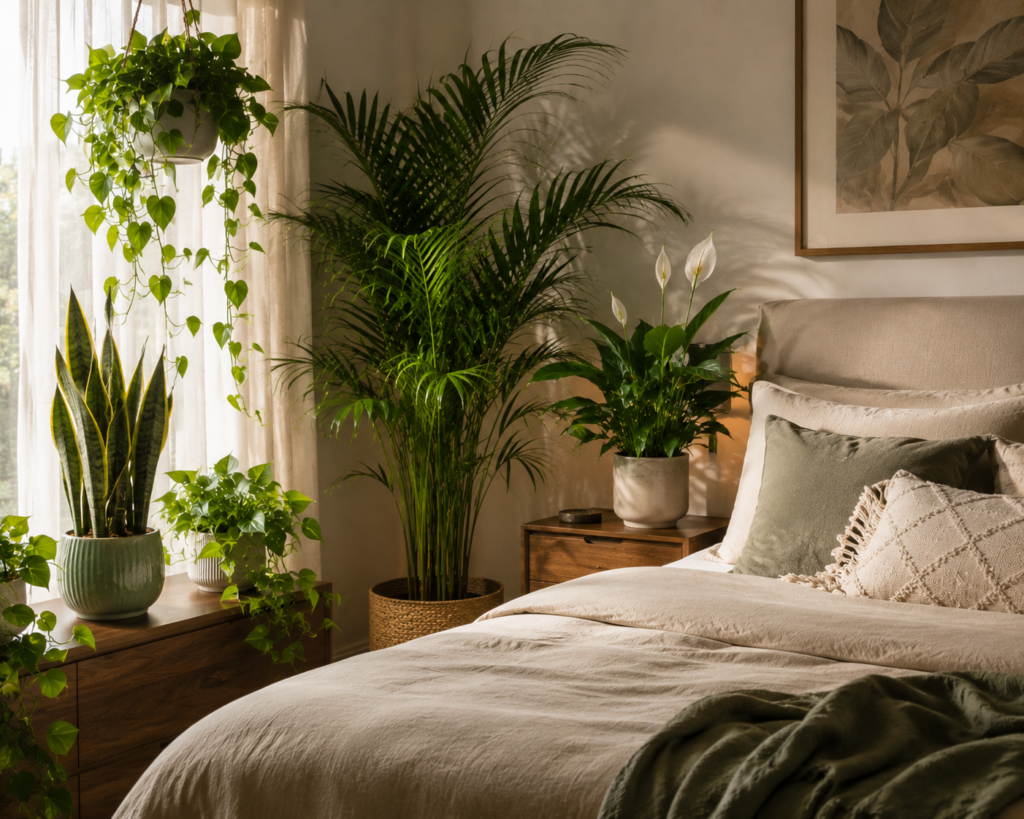
Best for:
- pothos
- snake plant
- ZZ plant
Best Decorative Plants for Humid Bathrooms
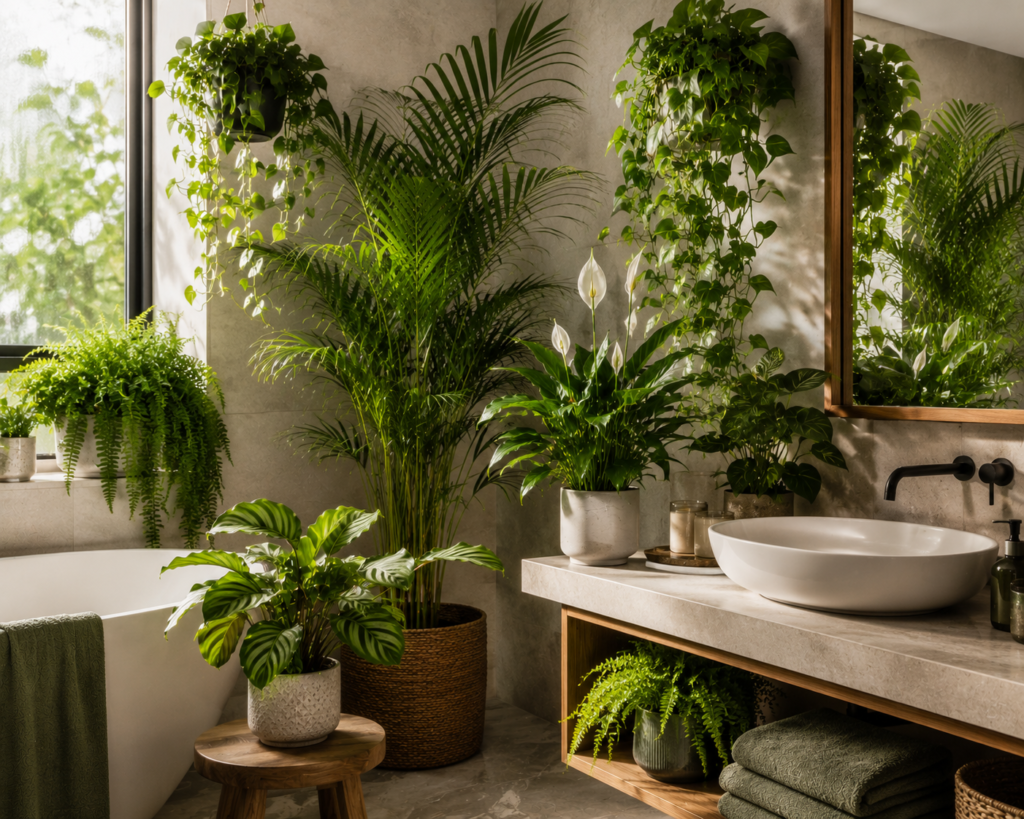
Best for:
- ferns
- calathea
- peace lily
Best Decorative Plants for Modern Home Offices
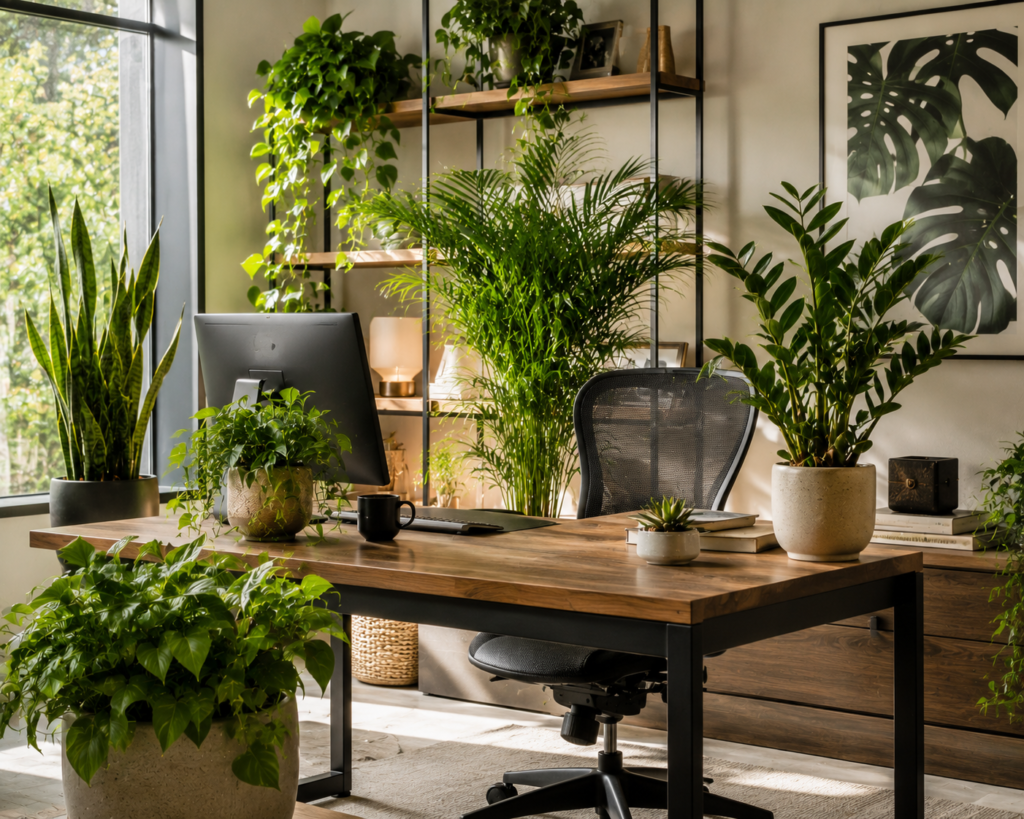
Best for:
- snake plant
- pothos
- philodendron
Matching plant biology with room conditions improves long-term decorative success and keeps indoor greenery healthier and more attractive.
What to Check Before Buying Decorative Indoor Plants
Choosing healthy decorative plants is essential for long-term indoor success. Many homeowners focus only on appearance without checking root health, foliage quality, or growth structure. A healthy medium-sized plant usually adapts better indoors than a large stressed plant from a nursery.
Strong decorative plants should have lush foliage, sturdy stems, and active new growth. Leaves should look vibrant and firm instead of yellowing or damaged. Checking underneath leaves is also important because pests often hide there unnoticed.
What to Check Before Buying Decorative Indoor Plants
- strong healthy roots
- balanced growth shape
- pest-free foliage
- sturdy stems
- fresh new growth
- rich leaf color
- proper soil drainage
- clean soil smell
- minimal leaf damage
- realistic mature size
Nursery-grown plants may experience temporary stress after moving indoors because greenhouse conditions are very different from normal homes. Adaptable plants usually adjust more successfully than delicate tropical species.
Plant maturity also matters. Small nursery plants can grow much larger over time, and many homeowners underestimate mature size indoors.
How to Style Decorative Plants Like a Professional Interior Designer
Styling decorative plants correctly can make interiors feel cleaner, richer, and more professionally designed. Strong plant styling depends on balance, contrast, proportion, and intentional placement instead of randomly scattered greenery.
Professional Styling Tricks for Beautiful Indoor Plants
Use Different Heights
Combining floor plants, tabletop plants, and hanging plants creates stronger dimension indoors.
Combine Leaf Shapes
Large tropical leaves paired with finer foliage create better contrast.
Match Pot Design to Interior Style
Ceramic pots, woven baskets, and minimalist planters strongly influence decorative appearance.
Create Statement Corners
Grouping plants together creates stronger focal impact than spreading them evenly throughout a room.
Use Vertical Space
Hanging plants and climbing vines improve smaller rooms without using extra floor space.
How Decorative Plants Instantly Transform Empty Corners and Walls
Decorative plants are one of the best ways to transform empty corners and unused vertical space into visually striking focal areas. Decorative plants improve empty corners and unused vertical space indoors.
Positioning tall plants beside sofas, shelves, or cabinets also creates better balance around oversized furniture. Empty walls feel warmer and more inviting when paired with climbing plants or grouped foliage nearby.
Decorative Plant Styling Mistakes That Ruin Beautiful Interiors
Poor styling can make even beautiful plants feel cluttered.
Common problems include:
- overcrowding plants
- mixing conflicting pot styles
- placing plants in dark corners
- using oversized containers
- ignoring mature plant size
- creating visual imbalance
Decorative plants should improve room flow and create a calmer, more cohesive atmosphere.
How to Combine Decorative Plants Without Making Rooms Feel Cluttered
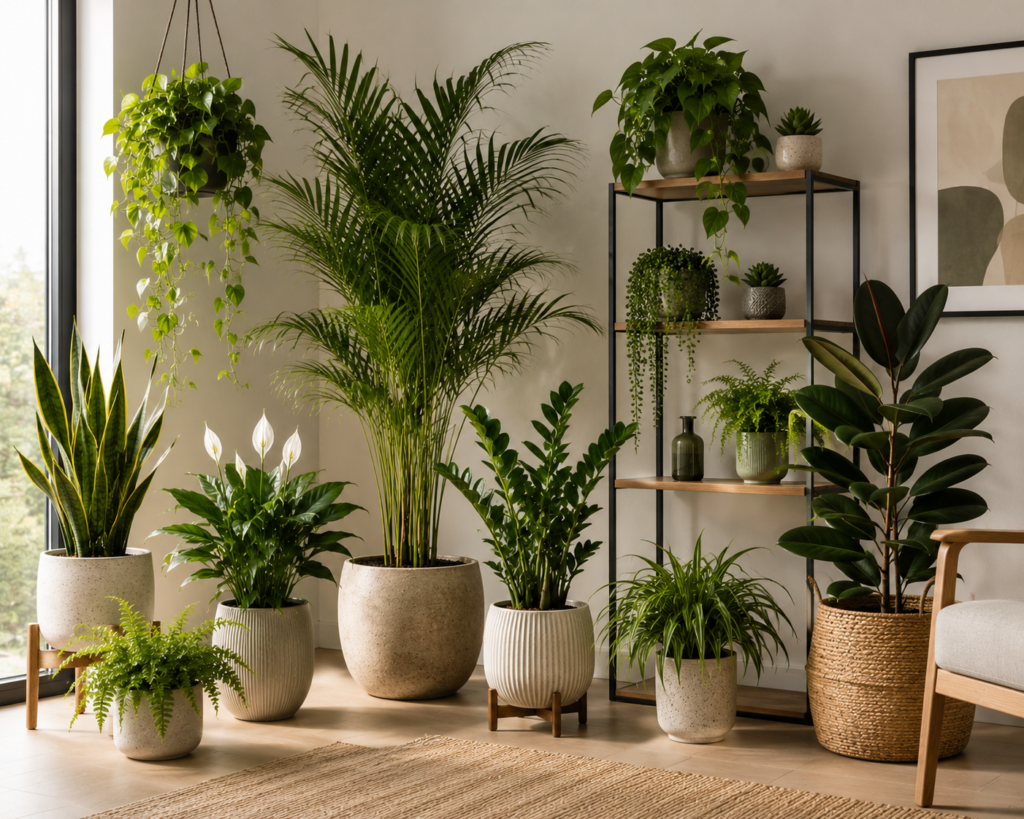
Combining decorative plants beautifully requires balance, spacing, and visual variety.
The best plant arrangements combine different heights, leaf shapes, and growth habits. Bold statement plants pair well with compact tabletop plants or cascading vines because the contrast creates stronger stronger dimension. Leaving enough open space between displays also helps each plant stand out clearly.
Smart Styling Techniques for Balanced Plant Displays
- combining upright and trailing plants
- mixing oversized and compact foliage
- using odd-number plant groupings
- leaving clean negative space
- matching elegant planter styles
- avoiding overcrowded corners
Most interiors look best with one dramatic focal plant supported by several smaller decorative plants.
Why Mixed Decorative Plant Collections Look More Beautiful Indoors
Decorative plant collections look more visually balanced when different textures, leaf sizes, and growth habits are combined together. Mixing smooth glossy foliage with softer textured leaves creates stronger contrast and prevents indoor plant displays from feeling flat or repetitive. Large tropical leaves paired with compact foliage also create better dimensional styling dimensional styling and help rooms feel more dynamic without adding clutter.
Combining upright plants with cascading vines creates natural movement indoors. structured foliage plants , while trailing pothos, philodendrons, and string of hearts relax visual structure, cabinets, and furniture edges naturally.
The Best Decorative Plants for Every Maintenance Level
| Easy | Moderate | Advanced |
| snake plant | monstera | calathea |
| pothos | rubber plant | alocasia |
| ZZ plant | palms | rex begonia |
Common Mistakes That Make Decorative Plants Look Bad Indoors
Many indoor plants lose their decorative beauty because of poor care, incorrect placement, or unrealistic styling decisions. Even stunning statement plants can quickly appear weak and unhealthy when indoor conditions are ignored.
Common Decorative Plant Mistakes
Poor Lighting
Weak lighting often causes:
- stretched growth
- smaller foliage
- fragile stems
- faded variegation
- sparse appearance
Overwatering
Excess watering commonly causes yellow leaves, root stress, fungal problems, and unhealthy foliage.
Ignoring Dust
Dust buildup reduces natural leaf shine and blocks proper light absorption over time.
Wrong Pot Size
Oversized containers trap excess moisture and increase the risk of root problems indoors.
Excessive Clutter
Too many plants grouped together can make interiors feel crowded, chaotic, and visually heavy.
Ignoring Mature Size
Small nursery plants often grow much larger indoors over time and may eventually overwhelm limited spaces.
How to Keep Decorative Plants Looking Beautiful Year-Round
Helpful maintenance habits include:
Consistent maintenance and proper placement improve decorative appearance.
- rotating plants for balanced growth
- pruning damaged foliage
- wiping leaves regularly
- monitoring seasonal light changes
- avoiding cold drafts
- repotting root-bound plants
Why Decorative Plants Suddenly Lose Their Beauty Indoors
Decorative plants lose their visual beauty when indoor conditions no longer support healthy balanced growth. Many plants look stunning after purchase but gradually weaken because of poor lighting, inconsistent watering, unstable temperatures, or unsuitable placement.
Weak indoor lighting is one of the biggest causes of unattractive decorative plants. Plants placed too far from windows often develop stretched stems, smaller foliage, and uneven growth as they search for light. Overwatering creates another major problem because saturated soil damages roots and causes yellow leaves, fungal stress, and declining foliage quality.
Common reasons decorative plants decline include:
- weak winter lighting
- overwatering
- underwatering stress
- dusty foliage
- poor airflow
- root-bound growth
- incorrect pot size
- unstable temperatures
- excessive fertilizer
- hidden drainage issues
Indoor plant problems often come from excessive care instead of neglect. Constant watering, unnecessary fertilizing, and frequent relocation can weaken foliage quality over time.
Are Decorative Plants Really Worth It for Modern Homes?
Decorative plants are absolutely worth it because they add texture, softness, contrast, and stronger dimension that furniture alone cannot provide. Well-placed indoor plants make interiors feel warmer, calmer, and more visually complete while naturally improving empty corners, shelves, walls, and open spaces.
How Decorative Plants Improve Interiors
- rich texture
- softer balance
- striking focal points
Large statement plants create stronger focal areas in living rooms. Minimalist interiors often look strongest with structured plants like snake plant or rubber plant, while bohemian spaces usually benefit from cascading vines and mixed foliage textures.
Decorative plants also perform differently depending on room conditions and styling goals. Bright rooms support bold tropical plants, while lower-light spaces generally work better with adaptable plants like ZZ plant, pothos, and Chinese evergreen. Compact apartments often benefit more from hanging plants and vertical greenery than oversized floor plants.
Even simple low-maintenance plants can dramatically improve indoor styling when paired with attractive planters and intentional placement.
The Best Decorative Plants for Every Light Condition Indoors
| Light | Best Plants |
| Low light | ZZ plant, snake plant |
| Medium light | pothos, philodendron |
| Bright indirect | monstera, calathea |
| Bright direct | croton, cactus |
FAQ section
What are the most beautiful decorative plants for homes?
Monstera, pothos, rubber plant, fiddle leaf fig, and bird of paradise remain highly decorative indoor favorites.
Which indoor plants make a room look luxurious?
Monstera, kentia palm, fiddle leaf fig, and bird of paradise create stronger luxury focal points indoors.
What is the best decorative indoor plant for beginners?
Snake plant, pothos, ZZ plant, and spider plant are easy beginner-friendly indoor plants.
Which decorative plants work best in low light?
ZZ plant, pothos, snake plant, peace lily, and Chinese evergreen adapt well to low-light interiors.
Which decorative plants are best for modern interiors?
Snake plant, rubber plant, monstera, and ZZ plant suit modern interiors with clean architectural shapes.
Which decorative plants are best for apartments?
Pothos, peperomia, philodendron, calathea, and ZZ plant work especially well in compact apartments.
Can decorative plants survive without direct sunlight?
Yes. Many decorative plants grow well indoors with bright indirect light instead of direct sunlight.
Which decorative plants improve living room styling the most?
Monstera, rubber plant, fiddle leaf fig, and indoor palms create stronger living room focal points.
What plants look best in minimalist interiors?
Snake plant, rubber plant, cactus, olive tree, and ZZ plant suit minimalist interiors especially well.
Which decorative plants are easiest to keep alive?
Snake plant, pothos, ZZ plant, and cast iron plant tolerate occasional neglect very successfully.
How do you combine decorative plants without making a room look cluttered?
Use varied plant heights, mixed foliage shapes, and enough spacing between decorative plant arrangements.
Which decorative plants are safest for pet-friendly homes?
Parlor palm, peperomia, calathea, spider plant, and many ferns are safer pet-friendly decorative plants.
Myra is the founder and lead writer of Plantsaholic. She shares practical, research-backed advice on indoor plants, outdoor gardening, flowers, herbs, succulents, and everyday plant care. Her goal is to help gardeners of all experience levels grow healthier plants through simple, easy-to-follow gardening guides.